
 By Jordan Coleman
 Crop insurance is a critical tool for farmers aiming to safeguard their livelihoods against the uncertainties of agriculture. From unpredictable weather conditions to pest infestations, the risks associated with farming can be daunting. This article explores the various aspects of crop insurance, including its types, benefits, and the factors that farmers should consider when selecting a policy.
What is Crop Insurance?
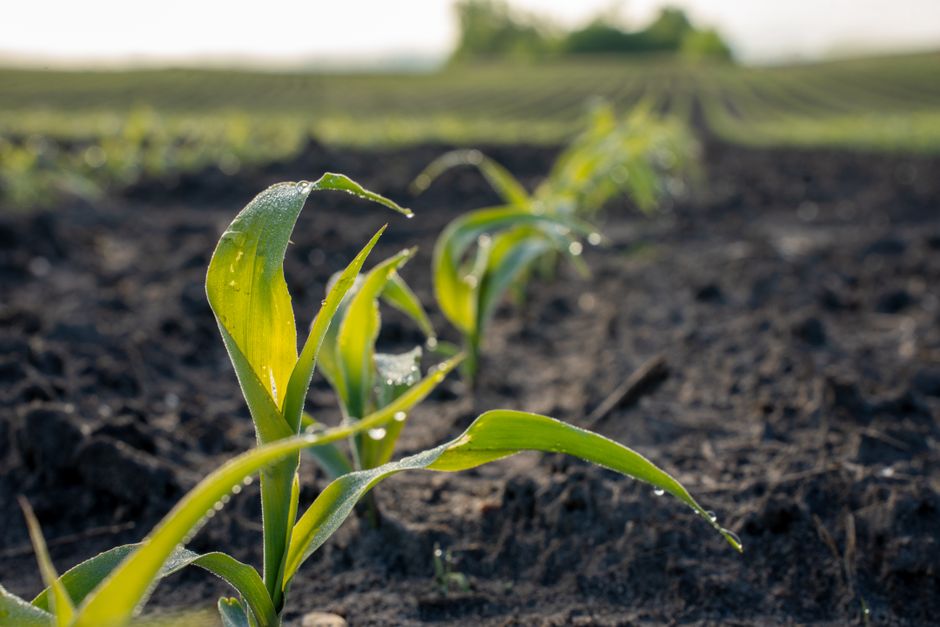
Crop insurance is a type of insurance that provides financial protection to farmers against losses in crop yield due to various risks. These risks can include natural disasters, such as floods and droughts, as well as crop diseases and pest damage. By purchasing crop insurance, farmers can mitigate the financial impact of these unforeseen events, thus securing their income and sustainability.
There are two primary types of crop insurance: Actual Production History (APH) and Revenue Protection (RP). APH insurance is based on the historical production levels of a farmer’s crops, while RP insurance protects against declines in revenue caused by lower yields or prices. Understanding these options is essential for farmers to make informed decisions.
The Benefits of Crop Insurance
One of the most significant advantages of crop insurance is the financial security it offers. When unexpected events occur, farmers with crop insurance can receive compensation, which helps them recover faster and continue their operations. This security is especially important in an industry where profit margins can be slim and variability is high.
Additionally, having crop insurance can enhance a farmer’s access to credit. Lenders are often more willing to provide loans to farmers who have insurance coverage, as it reduces the risk of default. This can enable farmers to invest in better equipment, seeds, and technology, ultimately leading to improved productivity.
Factors to Consider When Choosing a Crop Insurance Policy
When selecting a crop insurance policy, farmers should consider several factors to ensure they choose the best option for their needs. First, they must assess the specific risks associated with their crops and region. Different crops and geographical areas may be exposed to various types of risks, which can influence the type of coverage needed.
Another important consideration is the cost of the insurance premium. Farmers should evaluate their budgets and determine how much they can afford to spend on premiums without compromising their financial stability. While it may be tempting to choose the cheapest option, it’s crucial to balance cost with the level of coverage provided.
Real-World Examples of Crop Insurance in Action
To illustrate the effectiveness of crop insurance, let’s consider a hypothetical case. A farmer in Texas grows cotton and experiences a severe drought during the growing season. Without crop insurance, this drought could lead to significant financial losses, jeopardizing the farmer’s ability to continue operations. However, with a revenue protection policy in place, the farmer receives compensation that helps cover the lost income, allowing them to invest in next season’s crops.
Another example involves a corn farmer in Iowa who faces a sudden hailstorm that damages a large portion of their crop. Thanks to their actual production history policy, the farmer is able to receive a payout that covers the losses incurred from the storm, ensuring that they can replant and recover for the following year.
Conclusion
In conclusion, crop insurance plays a vital role in the agricultural sector, providing essential financial protection for farmers against the myriad of risks they face. By understanding the types of insurance available, their benefits, and the factors to consider when choosing a policy, farmers can make informed decisions that enhance their resilience and sustainability in an unpredictable industry. Farmers should consider looking into crop insurance options that meet their unique needs and help secure their future.