
 By Jordan Coleman
 In the digital age, the way we experience the world has transformed dramatically. Virtual tour photography has emerged as a powerful tool that allows individuals to explore places without physically being there. This technology not only enhances the travel experience but also serves various industries such as real estate, tourism, and education. In this article, we will delve into the intricacies of virtual tour photography, its benefits, applications, and future trends.
Understanding Virtual Tour Photography
Virtual tour photography involves capturing a series of images and stitching them together to create an immersive 360-degree view of a location. This technology leverages advanced camera systems and software to produce high-quality visuals that can be navigated interactively. Users can explore a space as if they were physically present, simply by clicking or dragging their mouse. This capability provides a unique and engaging experience that traditional photography cannot match.
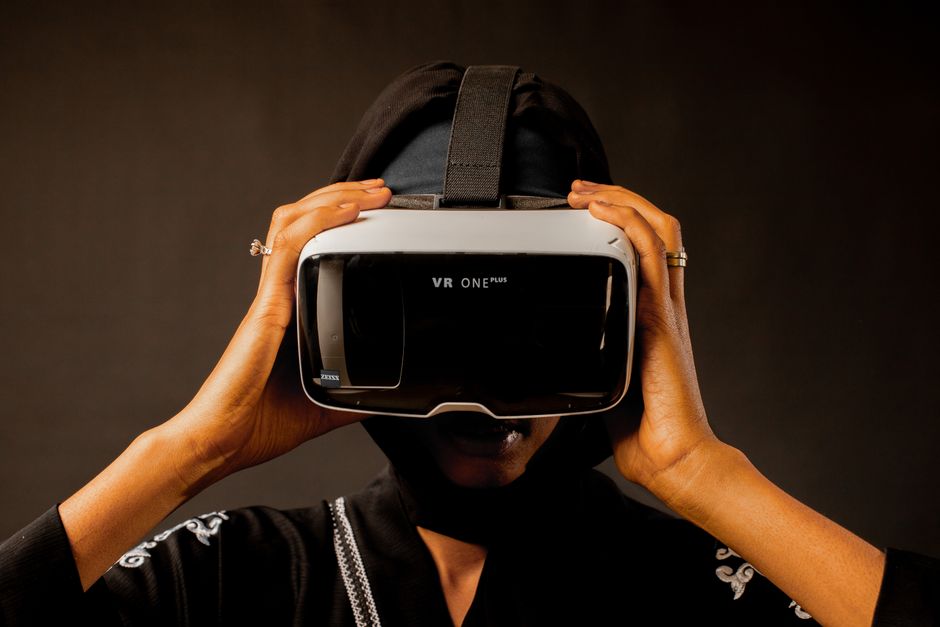
One of the most commonly used methods in virtual tour photography is the use of panoramic cameras. These cameras can capture wide-angle shots that encompass the entire environment, providing an all-encompassing view that draws the viewer in. Moreover, the integration of virtual reality (VR) technology has further enhanced the realism of these tours, allowing users to feel as though they are truly walking through the space.
The Benefits of Virtual Tour Photography
There are numerous advantages to utilizing virtual tour photography, both for businesses and consumers. For businesses, especially in the real estate sector, virtual tours can significantly enhance property listings. Potential buyers can take a virtual walkthrough of homes, allowing them to better visualize the space without the need for physical visits. This not only saves time but also attracts more interested buyers.
For consumers, the benefits are equally compelling. Imagine being able to explore a museum, historical site, or even a travel destination from the comfort of your home. Virtual tours provide a convenient solution for those who may not have the resources to travel or who want to preview a location before visiting. According to a study conducted by the National Association of Realtors, listings that include virtual tours receive 87% more views than those that do not.
Applications Across Various Industries
The versatility of virtual tour photography means it can be applied across a wide range of industries. In the tourism sector, travel agencies and hotels are increasingly leveraging this technology to showcase their offerings. By providing potential guests with a virtual tour of their facilities, they can create an enticing image that draws in customers. This is particularly important in a post-pandemic world where travelers are seeking assurance about hygiene and safety before booking accommodations.
In the education sector, virtual tours have proven to be invaluable. Educational institutions can create virtual campus tours that allow prospective students to explore their facilities remotely. This is especially beneficial for international students who may not have the opportunity to visit in person. Additionally, museums and cultural sites have adopted virtual tours to engage audiences who may not be able to visit physically.
The Future of Virtual Tour Photography
As technology continues to advance, the future of virtual tour photography looks promising. Innovations such as artificial intelligence (AI) and augmented reality (AR) are set to revolutionize how virtual tours are created and experienced. For instance, AI can enhance image processing, resulting in even better quality visuals. Meanwhile, AR can overlay information about specific elements within a virtual tour, providing an enriched experience for users.
Moreover, the growing popularity of VR headsets is likely to further elevate the virtual tour experience. As these devices become more accessible and affordable, more consumers will engage with virtual tours in a fully immersive way. This shift will lead to increased demand for high-quality virtual tour photography, creating new opportunities for photographers and businesses alike.
Conclusion
Virtual tour photography is not just a passing trend; it is a transformative technology that is reshaping how we interact with our surroundings. From enhancing real estate listings to providing engaging educational experiences, the applications of virtual tours are vast and varied. As we look to the future, the integration of emerging technologies will only enhance this medium, making virtual tours an essential tool for businesses and consumers alike. Embracing virtual tour photography is no longer optional; it is becoming a necessity in an increasingly digital world.