
 By Jordan Coleman
 In the ever-changing world of agriculture, crop insurance has emerged as a vital safety net for farmers. With unpredictable weather patterns, fluctuating market prices, and various other risks, having a robust crop insurance policy can mean the difference between financial stability and devastating losses. This article delves into the intricacies of crop insurance, exploring its importance, types, and how farmers can effectively utilize it to safeguard their livelihoods.
The Importance of Crop Insurance
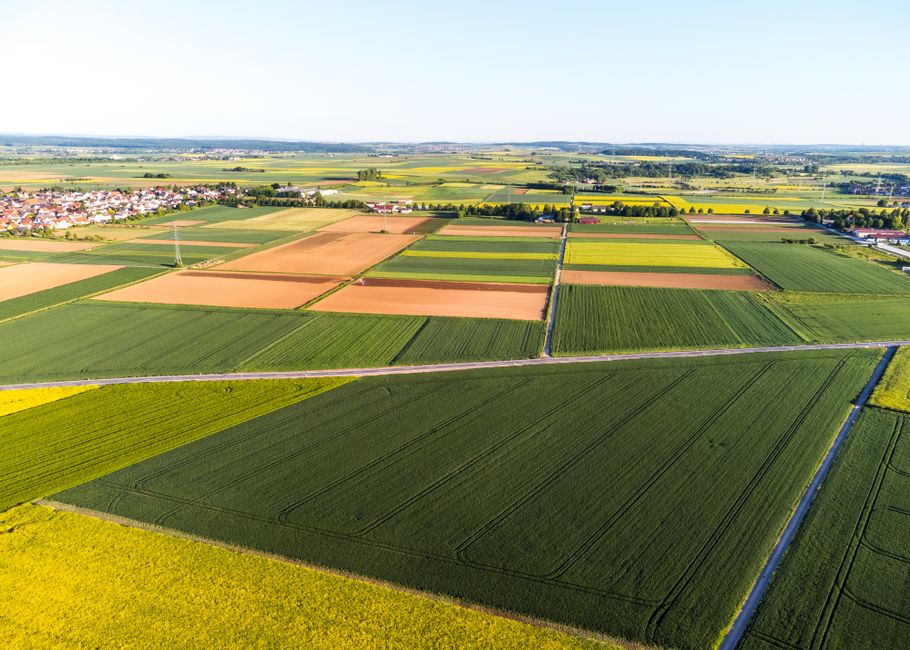
Crop insurance serves as a crucial tool for farmers, providing them with financial protection against losses due to natural disasters, pests, and diseases. It mitigates the risks associated with farming, allowing producers to invest in their operations with greater confidence. According to the U.S. Department of Agriculture, approximately 90% of U.S. farms utilize some form of crop insurance, highlighting its significance in modern agriculture.
Moreover, crop insurance plays a vital role in stabilizing rural economies. When farmers are protected from catastrophic losses, they are more likely to continue their operations, which in turn supports local businesses and communities. This ripple effect underscores the broader economic implications of crop insurance.
Types of Crop Insurance
There are several types of crop insurance policies available, each tailored to meet specific needs and circumstances. The most common types include:
- Revenue Protection (RP): This policy protects farmers against revenue loss due to decreased yields or lower prices.
- Yield Protection (YP): This type offers coverage based solely on yield loss, providing compensation when actual production falls below a predetermined level.
- Dollar Amount of Protection (DAP): DAP policies allow farmers to choose a specific dollar amount of coverage, offering flexibility in protection levels.
Each of these policies has its own advantages and disadvantages, and farmers should carefully assess their individual situations to select the most appropriate coverage.
How to Choose the Right Crop Insurance
Choosing the right crop insurance can be daunting, but it is essential for maximizing protection. Farmers should consider several factors, including:
- Crop Type: Different crops have varying levels of risk and insurance options. Understanding the specific needs of their crops is crucial.
- Historical Data: Analyzing past yield data and market trends can help farmers make informed decisions about the type of coverage they need.
- Financial Situation: Farmers should evaluate their financial standing to determine how much coverage they can afford.
Additionally, consulting with an insurance agent who specializes in agricultural policies can provide valuable insights and help farmers navigate the complexities of crop insurance.
Government Programs and Support
The government plays a significant role in supporting crop insurance through various programs. For instance, the Federal Crop Insurance program, administered by the Risk Management Agency (RMA), offers subsidies to help farmers afford insurance premiums. This support is crucial, especially for smaller farms that may struggle to pay for comprehensive coverage.
Furthermore, the U.S. government also provides disaster assistance programs that work in conjunction with crop insurance. These programs can offer additional financial relief in the event of catastrophic losses, reinforcing the importance of having a solid insurance policy in place.
Real-Life Examples of Crop Insurance in Action
Many farmers have benefited from crop insurance during challenging times. For example, a corn farmer in Iowa experienced significant losses due to a drought but was able to recover thanks to his crop insurance policy. The insurance provided him with the necessary funds to replant and continue his operations, demonstrating the critical role of insurance in sustaining agricultural livelihoods.
Similarly, a fruit grower in California faced devastating losses from a late frost, but her insurance policy helped cover the costs, allowing her to rebuild and recover from the setback. These stories highlight the real-world impact of crop insurance on farmers’ resilience and sustainability.
Conclusion
In conclusion, crop insurance is an indispensable resource for farmers, offering financial protection against the uncertainties of agriculture. By understanding the various types of insurance available, assessing their individual needs, and leveraging government support, farmers can make informed decisions to safeguard their livelihoods. As the agricultural landscape continues to evolve, the importance of crop insurance will only increase, making it a vital component of modern farming practices.