
 By Jordan Coleman
 The world of children’s toys has seen remarkable transformations over the years, driven by technological advancements and changing consumer preferences. From traditional wooden toys to high-tech gadgets, manufacturers have continuously adapted to the evolving landscape. In this article, we will explore the major trends in the toy industry, the impact of sustainability, the role of technology, and the future outlook for children’s toy manufacturers.
Understanding the Market Dynamics
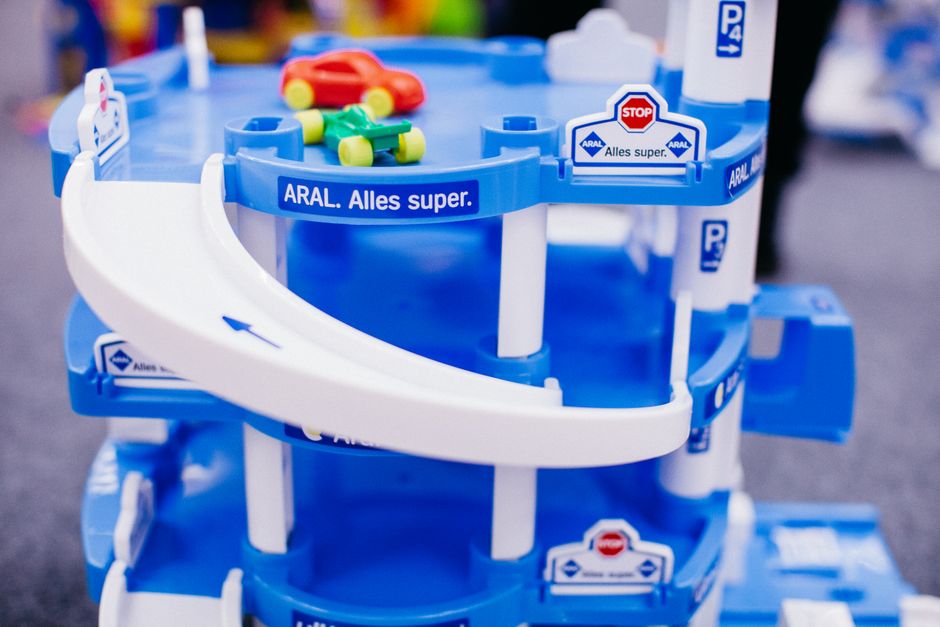
The children’s toy market is a multi-billion dollar industry that caters to various age groups and interests. According to recent statistics, the global toy market was valued at approximately $90 billion in 2020 and is expected to grow significantly in the coming years. This growth is fueled by factors such as increasing disposable income, urbanization, and the influence of social media on children’s preferences.
Moreover, the rise of e-commerce has transformed how toys are sold. Parents now prefer shopping online for convenience, leading to an increase in direct-to-consumer sales. As a result, manufacturers are faced with the challenge of creating engaging online experiences while maintaining competitive pricing. This dynamic has paved the way for new players to enter the market, often focusing on niche segments.
The Shift Toward Sustainability
In recent years, sustainability has emerged as a key concern for consumers. Parents are now more conscious of the environmental impact of the toys they purchase for their children. This shift has prompted many toy manufacturers to adopt eco-friendly practices, such as using biodegradable materials and reducing packaging waste.
For example, some companies are now producing toys made from recycled plastics or sustainable wood sources. This not only appeals to environmentally conscious consumers but also positions the brand as a responsible corporate citizen. Manufacturers that prioritize sustainability often see increased customer loyalty and brand reputation, which can be crucial in a competitive market.
Technological Innovations in Toy Manufacturing
The integration of technology into children’s toys has revolutionized the industry. Manufacturers are increasingly incorporating features such as augmented reality, artificial intelligence, and interactive elements into their products. These innovations enhance the play experience, making toys more engaging and educational.
For instance, some toys now come equipped with smartphones or tablets, allowing children to interact with digital content. This trend not only keeps children entertained but also aids in their development by promoting problem-solving skills and creativity. As a result, more parents are seeking out these high-tech toys, which in turn encourages manufacturers to invest in research and development.
The Role of Safety and Regulations
Safety remains a top priority for children’s toy manufacturers. Regulatory bodies around the world have established stringent guidelines to ensure that toys are safe for children. These regulations cover everything from materials used to product design, ensuring that toys do not pose choking hazards or contain toxic substances.
Manufacturers must stay informed about these regulations and continually test their products to maintain compliance. This commitment to safety not only protects children but also builds trust with consumers. Brands that prioritize safety in their manufacturing process often enjoy a competitive edge in the market.
Future Trends and Outlook
Looking ahead, the children’s toy industry is poised for continued growth and evolution. As technology becomes increasingly integrated into our daily lives, we can expect to see more toys that combine physical play with digital experiences. Additionally, the focus on sustainability will likely intensify, with manufacturers seeking innovative ways to reduce their environmental footprint.
Moreover, as the demographic landscape shifts, manufacturers will need to cater to diverse consumer preferences. This may involve creating more inclusive and culturally relevant toys that reflect the realities of today’s children. In this ever-changing environment, staying ahead of trends and consumer needs will be crucial for success.
In conclusion, the landscape of children’s toy manufacturing is complex and dynamic. Manufacturers must navigate market demands, safety regulations, and technological advancements while remaining committed to sustainability. By understanding these factors, companies can position themselves for long-term success in a vibrant industry.
As the industry continues to evolve, staying informed about new trends and innovations will be essential. For those interested in learning more about the latest developments, exploring reputable resources like children toy manufacturer websites can provide valuable insights into the future of toys.