
 By Jordan Coleman
 In today’s fast-paced world, the significance of play in a child’s development cannot be understated. Children toy manufacturers play a crucial role in this aspect, providing imaginative and educational products that cater to a diverse range of interests. From traditional wooden toys to high-tech gadgets, the variety available in the market is astonishing. This article delves into the influence of these manufacturers on children’s play and development, examining trends, challenges, and innovations in the industry.
The Evolution of Children’s Toys
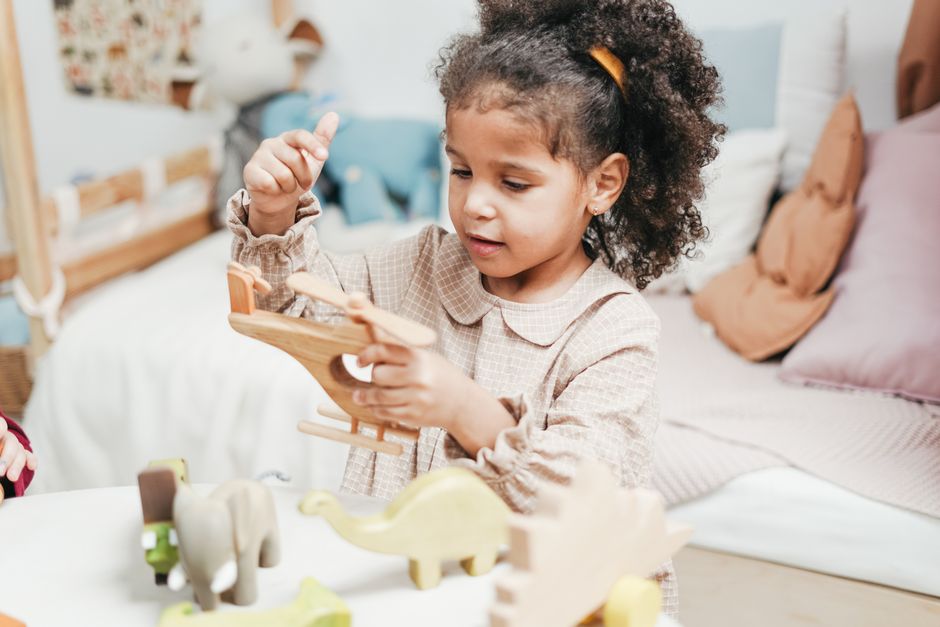
The history of children’s toys dates back thousands of years, with evidence of toys found in ancient civilizations. However, the modern children toy manufacturer has transformed the landscape significantly. In recent decades, the shift towards educational toys has been remarkable. Research shows that toys that promote learning can enhance cognitive abilities, social skills, and creativity. This evolution reflects a growing understanding of child development and the importance of play in learning.
Furthermore, the rise of technology has introduced a new dimension to children’s toys. Today, many toys incorporate interactive elements, enabling children to engage with them in ways that were previously unimaginable. For instance, smart toys that respond to a child’s voice or movement are becoming increasingly popular, offering personalized experiences that adapt to individual preferences.
Market Trends Shaping the Industry
As the demand for children’s toys continues to grow, manufacturers are faced with various trends that shape their production strategies. One significant trend is the increasing emphasis on sustainability. Parents are becoming more environmentally conscious, seeking toys that are made from eco-friendly materials and produced through sustainable practices. According to a recent study, over 70% of parents prefer purchasing toys from brands that demonstrate a commitment to sustainability.
Additionally, there is a noticeable shift towards inclusivity in toy design. Manufacturers are recognizing the importance of representing diverse cultures, abilities, and experiences in their products. This shift not only helps children feel seen and valued but also promotes empathy and understanding among peers.
Challenges Faced by Manufacturers
Despite the opportunities in the toy industry, children toy manufacturers face several challenges. One of the most pressing issues is safety regulations. Toys must meet stringent safety standards to ensure they are safe for children to use. This requires manufacturers to invest in rigorous testing and compliance processes, which can be costly and time-consuming.
Another challenge is the fierce competition within the industry. With countless brands vying for attention, manufacturers must find innovative ways to stand out in a crowded market. This often involves significant marketing efforts and a strong online presence, as many consumers now turn to e-commerce platforms for their purchases.
The Role of Technology in Toy Manufacturing
Technology has revolutionized the way toys are designed, produced, and marketed. Advanced manufacturing techniques, such as 3D printing, allow for rapid prototyping and customization of toys. This innovation not only streamlines the production process but also enables manufacturers to create unique toys that cater to specific consumer demands.
Moreover, digital marketing strategies have become essential for reaching consumers effectively. Social media platforms, influencer partnerships, and targeted advertising play a vital role in promoting toys to parents and children alike. The integration of augmented reality (AR) in toys is another exciting trend, offering interactive experiences that blend physical and digital play.
Conclusion: The Future of Children Toy Manufacturers
The future of children toy manufacturers looks promising, with continuous advancements in technology and a growing focus on sustainability and inclusivity. As the industry evolves, manufacturers must remain adaptable to changing consumer preferences and societal trends. By prioritizing safety, innovation, and ethical practices, they can contribute to enriching children’s play experiences. For those interested in exploring a reputable children toy manufacturer, it’s essential to consider the values and practices that align with modern parenting goals. In doing so, both parents and manufacturers can work together to foster an environment where children can thrive through play.