
 By Jordan Coleman
 The interior design of a restaurant is more than just aesthetics; it plays a crucial role in shaping the dining experience. From the moment guests step inside, they are greeted by a carefully curated environment that reflects the restaurant’s brand identity and culinary vision. In today’s competitive market, understanding the nuances of restaurant interior design can set a venue apart from its competitors and create a memorable experience for patrons.
Understanding the Basics of Restaurant Interior Design
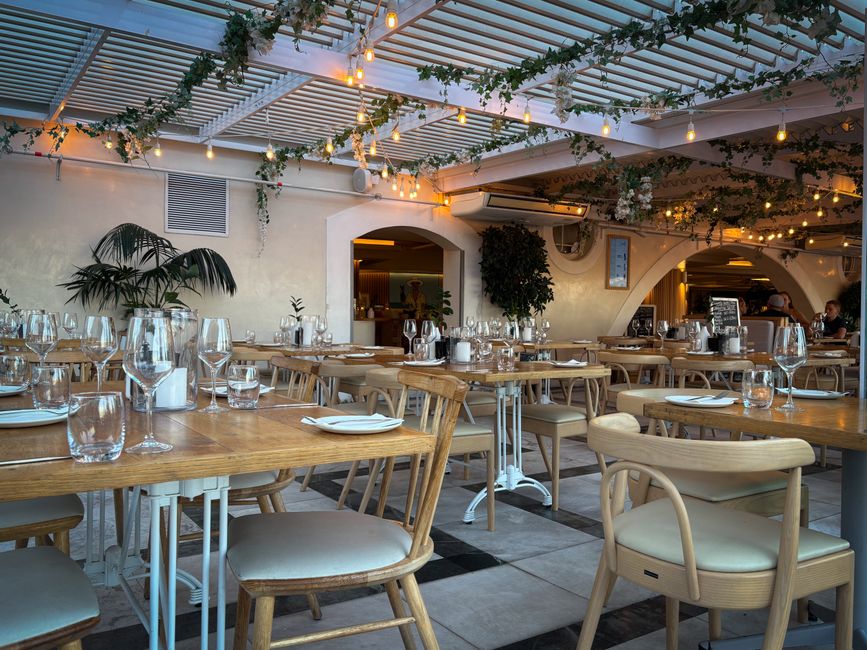
Restaurant interior design encompasses various elements that contribute to the overall ambiance and functionality of the space. It involves selecting colors, materials, furniture, and layouts that align with the restaurant’s theme and target audience. According to a survey by the National Restaurant Association, 60% of diners consider a restaurant’s interior design when choosing where to eat.
Designing a restaurant starts with a clear concept. For instance, a fine dining establishment may opt for elegant furnishings and subdued lighting, while a casual eatery might lean towards bright colors and playful decor. This initial concept serves as the foundation for all design decisions, ensuring consistency throughout.
Moreover, the layout is critical in facilitating movement and promoting a seamless dining experience. Effective space planning allows for efficient workflow for staff and comfortable seating arrangements for guests, enhancing both service and satisfaction.
Incorporating Brand Identity into Design
The interior design of a restaurant should reflect its brand identity. This connection helps create a cohesive experience that resonates with customers. For example, a sushi restaurant might incorporate traditional Japanese elements such as bamboo, shoji screens, and minimalistic decor to evoke authenticity.
Additionally, visual branding can be extended through color schemes and materials. A vibrant color palette can energize a casual dining experience, while muted tones can lend sophistication to upscale venues. Lighting also plays a significant role in this aspect, as it can highlight key design elements and set the mood for the dining experience.
Furthermore, storytelling through design can engage customers on a deeper level. Restaurants that effectively communicate their narrative through the design not only attract attention but also foster a connection with diners. This can be achieved by displaying local artwork or utilizing reclaimed materials that reflect the restaurant’s commitment to sustainability.
Trends in Restaurant Interior Design
As consumer preferences evolve, so do the trends in restaurant interior design. One notable trend is the growing demand for open-concept spaces that promote interaction. This design encourages socialization among diners and enhances the overall atmosphere.
Another trend is the emphasis on biophilic design, which integrates natural elements into the indoor environment. Incorporating plants, natural light, and organic materials can create a refreshing and inviting space. Studies have shown that biophilic design can reduce stress and increase customer satisfaction, leading to longer visits and increased sales.
Moreover, the rise of technology has influenced interior design choices as well. Many restaurants are incorporating smart technology solutions for lighting and sound systems. Interactive menus and digital ordering kiosks can also enhance the dining experience by streamlining service and reducing wait times.
Case Studies: Successful Restaurant Interiors
Examining successful restaurant interiors can provide valuable insights into effective design strategies. For instance, the renowned restaurant Eleven Madison Park in New York City boasts a minimalist design that allows the food to take center stage. Its elegant use of white walls and simple furnishings creates a serene atmosphere that complements the culinary experience.
Another notable example is the fast-casual chain Sweetgreen, which utilizes natural materials and an earthy color palette to reinforce its commitment to health and sustainability. The design encourages diners to feel connected to their food and the environment, reflecting the brand’s values.
These case studies highlight the importance of aligning the interior design with the restaurant’s mission and customer expectations. By doing so, restaurants can create a unique identity that resonates with their target audience.
Conclusion: The Future of Restaurant Interior Design
As the restaurant industry continues to evolve, so too will the principles of interior design. The focus will increasingly shift towards creating experiences that engage all senses and foster connections. Trends such as sustainability, technology integration, and biophilic design are likely to shape the future landscape of restaurant interiors.
In conclusion, investing in thoughtful restaurant interior design can significantly impact a restaurant’s success. By understanding the basics, incorporating brand identity, staying abreast of trends, and learning from successful examples, restaurateurs can create inviting spaces that not only attract customers but also keep them coming back. For those looking to enhance their restaurant’s appeal, exploring resources on restaurant interior design can provide invaluable guidance and inspiration.