
 By Jordan Coleman
 The interior design of a restaurant plays a pivotal role in shaping the dining experience. From the moment a guest walks in, the ambiance created by the decor, lighting, and layout can influence their perception of the food and overall service. In this article, we will explore the key elements that make up effective restaurant interior design and how they contribute to customer satisfaction and business success.
Understanding the Importance of Restaurant Interior Design
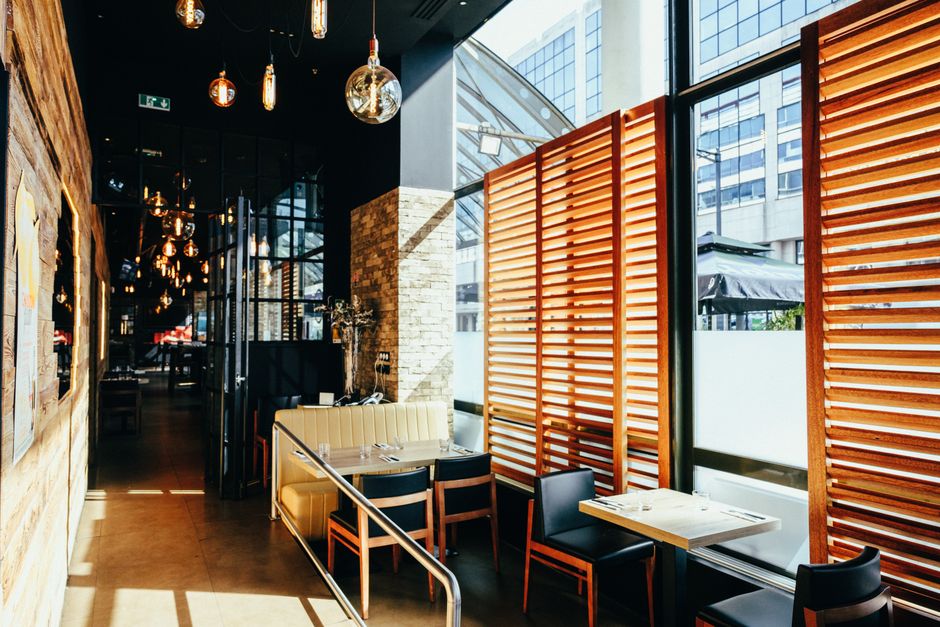
Restaurant interior design is not just about aesthetics; it is a strategic business decision. A well-designed space can enhance the dining experience, encourage repeat visits, and even boost customer spending. According to a study by the National Restaurant Association, 60% of diners emphasize the importance of a restaurant’s ambiance when choosing where to eat. This highlights how critical interior design is to attracting and retaining customers.
Furthermore, the design should align with the restaurant’s branding. For example, a fine dining establishment may opt for elegant furnishings and subdued lighting, while a casual eatery might choose vibrant colors and playful decor. The goal is to create a cohesive atmosphere that reflects the restaurant’s identity and resonates with its target audience.
Key Elements of Effective Restaurant Interior Design
When it comes to restaurant interior design, several key elements must be considered:
1. Layout and Flow: The arrangement of furniture and the overall layout should promote a smooth flow of movement for both guests and staff. This includes adequate spacing between tables for privacy while allowing servers to navigate easily.
2. Lighting: Proper lighting is essential in setting the mood. A combination of natural light during the day and soft, warm lighting in the evening can create a welcoming environment. Task lighting over tables can enhance the dining experience without overpowering the ambiance.
3. Color Scheme: Colors evoke emotions and can significantly impact customers’ moods. Warm colors like reds and oranges can stimulate appetite, while cool colors like blues and greens can create a calming effect. The color palette should be chosen carefully to reflect the restaurant’s theme.
4. Furniture and Decor: The choice of furniture should be both functional and stylish. Comfortable seating encourages guests to linger longer, increasing the likelihood of additional orders. Decor elements, such as artwork and plants, can add personality and warmth to the space.
Case Studies of Successful Restaurant Designs
Examining successful restaurant designs can provide valuable insights into effective interior design strategies. One notable example is Blue Hill at Stone Barns in New York, which utilizes natural materials and organic shapes to reflect its farm-to-table ethos. The open kitchen design allows diners to see the cooking process, adding an element of transparency and engagement.
Another excellent case is Canlis in Seattle, which combines modern design with traditional elements. The restaurant features floor-to-ceiling windows that offer breathtaking views of Lake Union, creating a unique dining experience. Their choice of furnishings and decor complements the stunning scenery while maintaining a sophisticated atmosphere.
The Role of Technology in Restaurant Interior Design
As technology continues to evolve, it plays an increasingly important role in restaurant interior design. From digital menus to smart lighting systems, technology can enhance the efficiency and ambiance of a dining space. For instance, using tablets for ordering can streamline service and reduce wait times, allowing for a more enjoyable experience.
Moreover, incorporating sound technology can help manage noise levels, ensuring that conversations can be held comfortably without overwhelming background noise. This is particularly important in busy dining environments where noise can detract from the overall experience.
Conclusion: Crafting an Unforgettable Dining Experience
In conclusion, restaurant interior design is a complex and multifaceted aspect of the dining experience that requires careful consideration. By focusing on layout, lighting, color schemes, and the integration of technology, restaurant owners can create inviting spaces that not only attract customers but also encourage them to return. The impact of restaurant interior design on customer satisfaction and business success cannot be overstated, making it an essential element for any restaurant aiming to thrive in a competitive market.