
 By Jordan Coleman
 Chemical peel treatments have gained immense popularity in recent years as a go-to solution for enhancing skin texture and appearance. These treatments offer a range of benefits, from reducing fine lines and wrinkles to treating acne scars and hyperpigmentation. However, many people are still unsure about what chemical peels entail, their types, and the expected outcomes. In this article, we will delve into the intricacies of chemical peel treatments, helping you make informed decisions about your skincare routine.
Understanding Chemical Peels
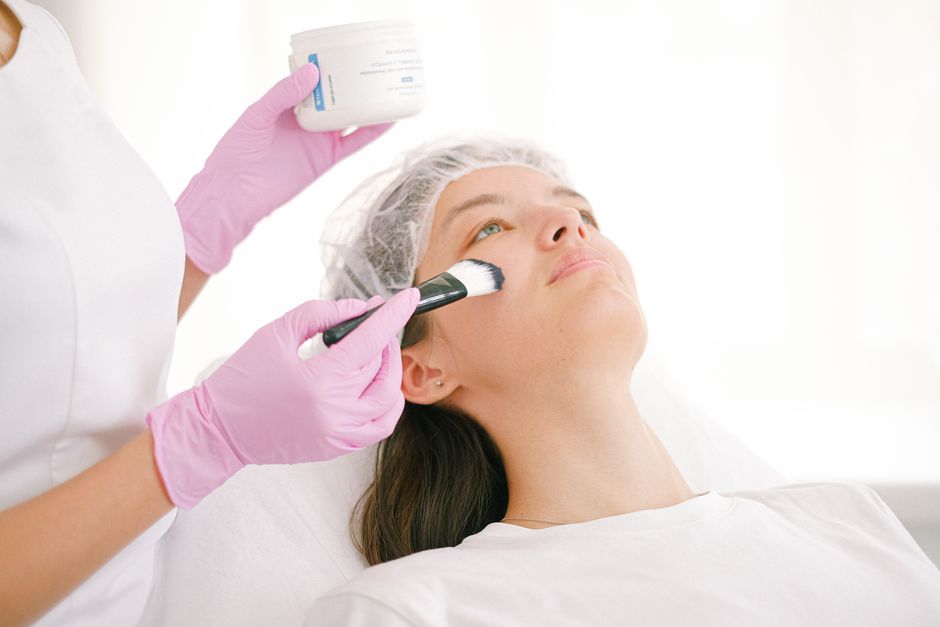
A chemical peel is a dermatological procedure that involves applying a solution to the skin, which causes the top layers to exfoliate and eventually shed. This process reveals fresher, smoother skin underneath. The results can be striking, but it’s essential to understand the different types of chemical peels available and how they function.
There are three primary types of chemical peels: superficial, medium, and deep peels. Superficial peels use mild acids like alpha-hydroxy acids (AHAs) to gently exfoliate the skin, making them suitable for first-timers. Medium peels penetrate deeper, often utilizing trichloroacetic acid (TCA) to address more significant skin concerns, while deep peels, which may use phenol, target deeper layers of the skin for substantial improvements.
Each type of peel has its unique benefits and potential side effects, which should be discussed with a qualified dermatologist. For example, superficial peels require little to no downtime, making them ideal for individuals with busy lifestyles. In contrast, deep peels may necessitate a longer recovery period due to their intense nature.
Benefits of Chemical Peel Treatments
Chemical peels offer a myriad of benefits for various skin types and concerns. One of the most significant advantages is their ability to improve skin texture and tone. By removing dead skin cells and promoting cell turnover, peels can help reduce the appearance of fine lines, wrinkles, and uneven pigmentation.
Additionally, chemical peels can effectively treat acne and minimize the appearance of acne scars. For those struggling with oily skin or persistent breakouts, a chemical peel can unclog pores and reduce excess oil production, leading to clearer skin.
It’s worth mentioning that the results of chemical peels can vary based on individual skin types and conditions. Therefore, consulting with a skincare professional is crucial to tailor the treatment to your specific needs. Many patients report visible improvements after just one session, while others may require multiple treatments to achieve their desired results.
What to Expect During and After Treatment
Before undergoing a chemical peel treatment, it’s essential to have a thorough consultation with a dermatologist. During this appointment, the dermatologist will assess your skin type, discuss your goals, and recommend the most suitable type of peel.
During the procedure, the chemical solution will be applied to your skin, and you may experience a tingling or burning sensation. The duration of the treatment varies depending on the type of peel, but most sessions last between 30 minutes to an hour.
Post-treatment care is vital for optimal results. After a chemical peel, your skin may appear red and feel sensitive, similar to a sunburn. It’s essential to follow your dermatologist’s aftercare instructions, which may include avoiding sun exposure, using gentle cleansers, and applying moisturizer to aid the healing process. Many individuals are thrilled with their results, finding their skin smoother and more radiant after a few days of recovery.
Choosing the Right Professional for Your Chemical Peel
Selecting the right skincare professional is crucial for a successful chemical peel experience. It’s advisable to seek out licensed dermatologists or licensed estheticians who have extensive training and experience in performing chemical peels. Reading reviews and asking for recommendations can help you find a reputable provider.
During your consultation, don’t hesitate to ask questions about the practitioner’s experience, the types of peels they offer, and what you can expect in terms of results and recovery time. This will help you feel more comfortable and informed about your decision.
Remember, while chemical peels can be incredibly effective, they are not suitable for everyone. Individuals with certain skin conditions, such as eczema or rosacea, should discuss alternative treatments with their dermatologists.
Conclusion
Chemical peel treatments can be a transformative addition to your skincare regimen, offering numerous benefits for various skin concerns. By understanding the types of peels available, the expected outcomes, and the importance of professional guidance, you can make informed decisions about your skin health. Whether you’re looking to reduce fine lines, treat acne, or improve overall skin texture, chemical peel treatment could be the key to achieving your skincare goals.