
 By Jordan Coleman
 Chemical peel treatments have gained immense popularity in the world of skincare, offering a solution for various skin concerns. From reducing fine lines to improving skin texture, these treatments provide a unique way to rejuvenate the skin. In this article, we will explore the different types of chemical peels, their benefits, and what one can expect during and after the procedure.
Understanding Chemical Peels
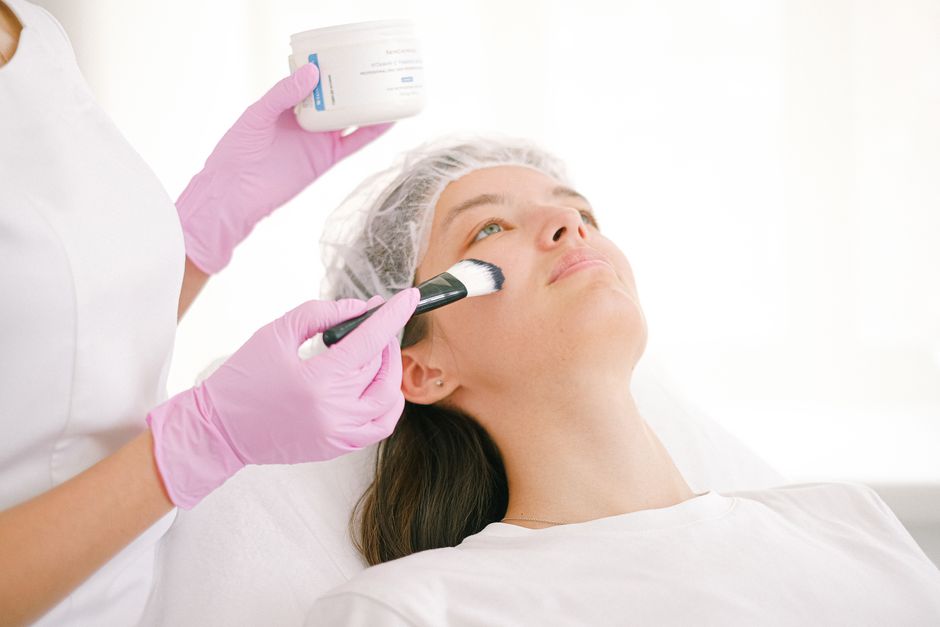
A chemical peel is a cosmetic procedure that involves applying a solution to the skin to exfoliate and promote new skin growth. The strength of the peel can vary, which allows for different levels of skin penetration and results. There are three main types of chemical peels: superficial, medium, and deep peels. Each type targets specific skin concerns and requires varying recovery times.
Superficial peels use mild acids like alpha-hydroxy acids (AHAs) to gently exfoliate the outer layer of skin. These are often recommended for individuals looking to improve skin tone and texture with minimal downtime. Medium peels penetrate deeper, using trichloroacetic acid (TCA) to treat fine lines, age spots, and even some types of acne. Deep peels, on the other hand, use phenol and provide more dramatic results by treating deeper wrinkles and severe skin damage.
Benefits of Chemical Peels
Chemical peels offer numerous benefits that can enhance not only the appearance of the skin but also the overall health. One of the primary advantages is the reduction of fine lines and wrinkles. By removing the outer layer of dead skin cells, peels stimulate collagen production, leading to firmer and younger-looking skin.
Additionally, chemical peels can help with hyperpigmentation, a common issue caused by sun exposure and aging. By lightening dark spots and evening out skin tone, patients often report a more radiant complexion after their treatment. Furthermore, these treatments can also minimize the appearance of acne scars and large pores, providing an overall smoother skin texture.
The Procedure and What to Expect
Before undergoing a chemical peel, it is essential to consult with a qualified dermatologist who can assess your skin type and determine the most appropriate peel for your needs. During the procedure, the skin is thoroughly cleansed, and the chemical solution is applied. Depending on the type of peel, the application time may vary from a few minutes to over an hour.
Patients may experience some discomfort during the application, often described as a tingling or burning sensation. After the peel, the skin may appear red and irritated, similar to a mild sunburn. It is important to follow post-treatment care instructions, which may include avoiding sun exposure and using specific moisturizers to aid in skin healing.
Recovery and Aftercare
Recovery times depend on the type of chemical peel received. Superficial peels typically require little to no downtime, with most individuals returning to their daily activities immediately. Medium peels may necessitate a few days of recovery, while deep peels can require several weeks for full healing.
Post-treatment care is crucial for optimal results. Patients should use gentle skincare products and apply sunscreen diligently to protect the newly exposed skin. Incorporating hydrating serums can also enhance recovery and promote healthy skin renewal.
Final Thoughts on Chemical Peels
Chemical peels are a valuable option for those looking to improve their skin’s appearance and address various skin concerns. With advancements in skincare technology, these treatments have become safer and more effective than ever. If you are considering a chemical peel treatment, it is essential to consult with professionals to choose the right type for your skin’s needs and ensure a successful outcome.