
 By Jordan Coleman
 In today’s music industry, the quest for high-quality sound production has never been more crucial. Whether you’re a budding musician, a seasoned producer, or a podcast creator, the importance of a professional recording studio cannot be overstated. Recording studio rental provides access to top-notch equipment and expertise, allowing your creative vision to come to life. This article delves into the essentials of renting a recording studio, including what to look for, the costs involved, and tips for maximizing your studio time.
Understanding the Basics of Recording Studio Rental
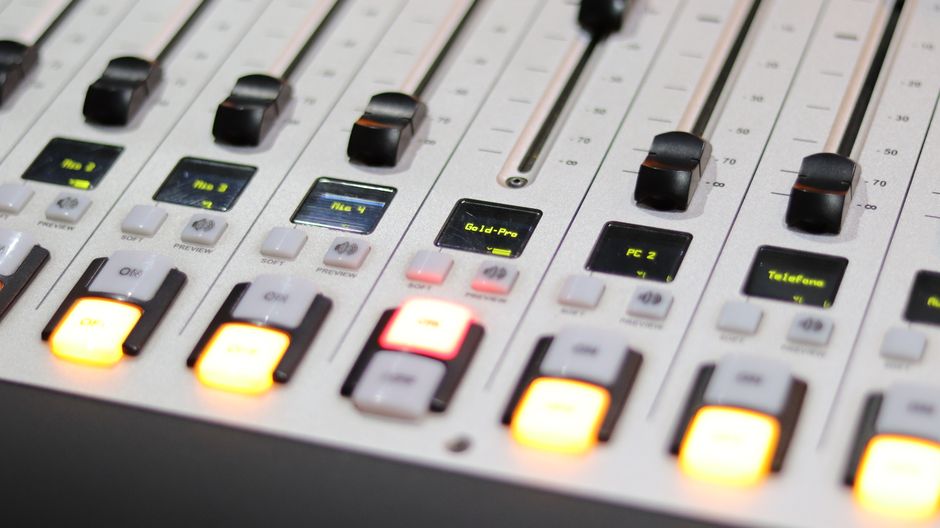
Renting a recording studio involves more than just booking a space; it’s about creating an environment that fosters creativity and produces high-quality sound. Recording studios vary significantly in size, equipment, and acoustics. Understanding your specific needs is the first step in choosing the right studio. For instance, if you’re recording a full band, you’ll need a larger space with multiple soundproof rooms. On the other hand, solo artists or voiceover actors may find smaller, intimate spaces more suitable.
Moreover, studios often come equipped with various gear, including microphones, mixing consoles, and monitors. It’s essential to inquire about the available equipment and whether it meets your project’s requirements. Some studios even offer an in-house engineer, which can be invaluable for those who may not be as technically savvy.
Cost Factors in Studio Rentals
The cost of renting a recording studio can vary widely, influenced by several factors such as location, equipment quality, and the expertise of the staff. On average, you might expect to pay anywhere from $50 to $300 per hour. High-end studios in major cities can charge even more.
Additionally, consider the total time you will need for your project. While some studios offer package deals that can reduce the hourly rate for extended sessions, others may have minimum booking requirements. Be sure to carefully assess your project timeline to avoid unnecessary costs.
For example, if you are preparing for an album release, it’s wise to book multiple sessions in advance. This not only ensures availability but may also provide a discount on the overall cost. Planning ahead can lead to significant savings.
Choosing the Right Studio for Your Needs
With so many options available, how do you select the right recording studio for your project? Start by defining your goals: Are you producing a high-energy album, a quiet acoustic set, or a podcast? Each of these requires different studio features.
Once you’ve established your needs, conduct research on local studios. Read reviews, listen to demo tracks produced in those studios, and reach out to previous clients. This due diligence will help you gauge the studio’s reputation and reliability.
Don’t hesitate to visit potential studios before making a decision. A tour can provide insight into the environment, equipment, and overall vibe of the space. Additionally, discussing your project with the studio manager can help you understand how they can best accommodate your needs.
Maximizing Your Time in the Studio
Once you’ve booked your studio time, preparation is key to making the most of it. Create a detailed plan that outlines the songs you’ll be recording, the order of recording, and any specific sounds or techniques you wish to achieve.
It’s also a good idea to rehearse extensively before your studio session. Familiarity with your material will allow you to focus on refining your sound rather than learning parts during recording time. This is especially crucial in collaborative environments, where multiple artists may be involved.
Lastly, communicate openly with the studio engineer. They can offer valuable insights and suggestions that can enhance your recording process. Being receptive to feedback can lead to unexpected and exciting results.
Post-Recording Considerations
After your session, the work doesn’t stop. You’ll need to discuss mixing and mastering, which can add additional costs to your project. These processes are essential for achieving a polished final product, so ensure you budget accordingly.
Additionally, consider how you will distribute and promote your new material. With the rise of digital platforms, having a clear marketing strategy is vital for reaching your audience effectively.
In summary, renting a recording studio can be a game-changer for your music or audio project. By understanding the rental process, costs involved, and how to maximize your time, you can ensure a successful recording experience. For those looking to dive into the world of audio production, exploring options like recording studio rental can open up new creative possibilities.
Conclusion
Recording studio rental is an essential step for any serious audio project. Whether you’re an aspiring musician or a seasoned producer, finding the right studio can significantly impact the quality of your work. Take the time to research, prepare, and communicate effectively to get the most out of your studio experience. With the right approach, your time in the studio can be both productive and creatively fulfilling.