
 By Jordan Coleman
 The luxury brand reselling market has exploded in recent years, attracting both seasoned entrepreneurs and casual buyers looking to capitalize on the value of high-end fashion items. This booming industry is reshaping the way luxury goods are marketed and consumed, offering a unique blend of accessibility and exclusivity. In this article, we will delve into the intricacies of luxury brand reselling, exploring its growth, challenges, and the strategies that successful resellers employ.
The Rise of Luxury Brand Resellers
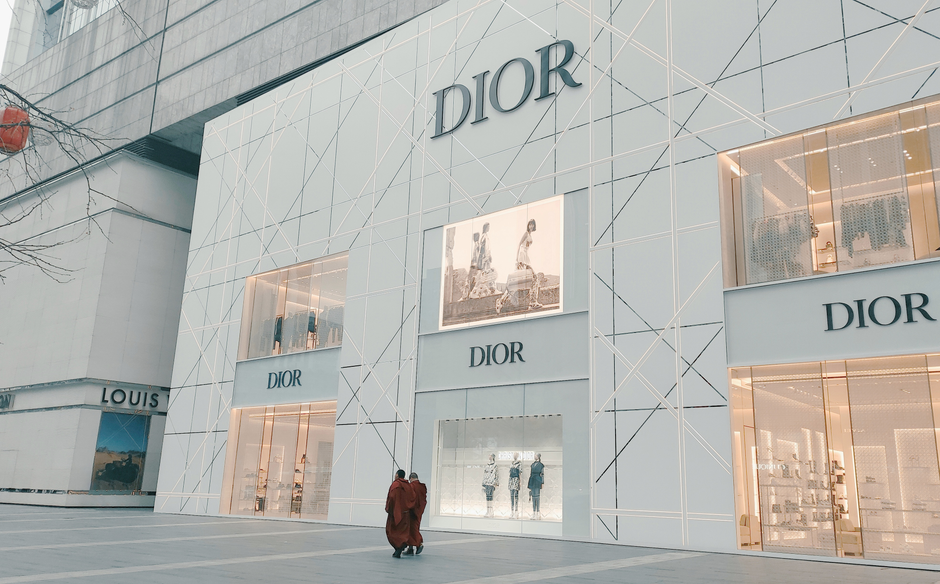
The surge in luxury brand reselling can be attributed to several factors, including the rise of e-commerce platforms and changing consumer behaviors. As more shoppers turn to online marketplaces for their purchases, traditional retail methods are being challenged. According to a report by Bain & Company, the global market for pre-owned luxury goods is expected to reach $64 billion by 2025, showcasing a significant growth opportunity for resellers.
Furthermore, younger consumers, particularly Millennials and Gen Z, are increasingly seeking sustainable and affordable options for luxury items. This demographic is more inclined to purchase second-hand goods as a means of reducing waste and embracing a more sustainable lifestyle. Luxury brand resellers are thus filling a vital niche in the market, catering to this evolving consumer mindset.
How Luxury Brand Resellers Operate
Luxury brand resellers typically source their products from various avenues such as estate sales, auctions, and direct purchases from consumers. They then authenticate and curate these items before listing them on their online platforms. This process is crucial, as authenticity is paramount in the luxury market. Resellers often utilize professional authentication services to ensure that the items they sell meet the high standards expected by consumers.
Once items are authenticated, resellers set competitive prices based on market trends, rarity, and condition. They often rely on data analytics to determine the best pricing strategies, utilizing tools that track sales patterns and consumer demand. By effectively positioning their products, resellers can maximize their profit margins while still offering customers competitive prices.
Challenges Faced by Luxury Brand Resellers
Despite the lucrative nature of luxury brand reselling, there are significant challenges that resellers must navigate. One of the primary concerns is the issue of counterfeit goods. The luxury market is rife with fakes, and consumers are becoming increasingly vigilant. Resellers must invest time and resources into ensuring that their offerings are authentic, as any misstep can severely damage their reputation.
Additionally, fluctuating market trends can impact the resale value of luxury items. Resellers need to stay informed about fashion trends, economic conditions, and consumer preferences to adapt their inventory and pricing strategies accordingly. This requires a keen understanding of the luxury landscape and the ability to pivot quickly in response to changing market dynamics.
Tips for Aspiring Luxury Brand Resellers
For those looking to enter the luxury brand reselling market, there are several key strategies to consider. First, gaining in-depth knowledge of the luxury market is essential. Understanding the history, brand value, and current market trends will empower resellers to make informed decisions about the items they choose to sell.
Building a strong network is also crucial. Connecting with other resellers, fashion enthusiasts, and potential buyers can open doors to new sourcing opportunities and collaborations. Social media platforms, in particular, can serve as effective tools for building a brand presence and engaging with a wider audience.
Lastly, consider leveraging technology to streamline operations. Utilizing e-commerce platforms, inventory management systems, and data analytics tools can help resellers operate more efficiently and make data-driven decisions. As the industry continues to grow, embracing digital solutions will be vital for staying competitive.
Conclusion
The luxury brand reselling market presents an exciting opportunity for entrepreneurs and fashion lovers alike. With its rapid growth and evolving consumer landscape, it is essential for resellers to stay informed and adapt to the changing dynamics of the industry. By focusing on authenticity, leveraging technology, and building strong networks, aspiring resellers can carve out a successful niche in this vibrant market. For those interested in entering the field, partnering with a trusted luxury brand reseller can provide valuable insights and resources to kickstart their journey.