
 By Jordan Coleman
 In recent years, the luxury market has seen a significant shift towards resale, with luxury brand resellers emerging as key players in this evolving landscape. As consumers become more environmentally conscious and financially savvy, the demand for pre-owned luxury goods has skyrocketed. This article delves into the factors driving this trend, the impact of digital platforms, and how consumers and businesses can navigate this booming market.
Understanding the Luxury Resale Market
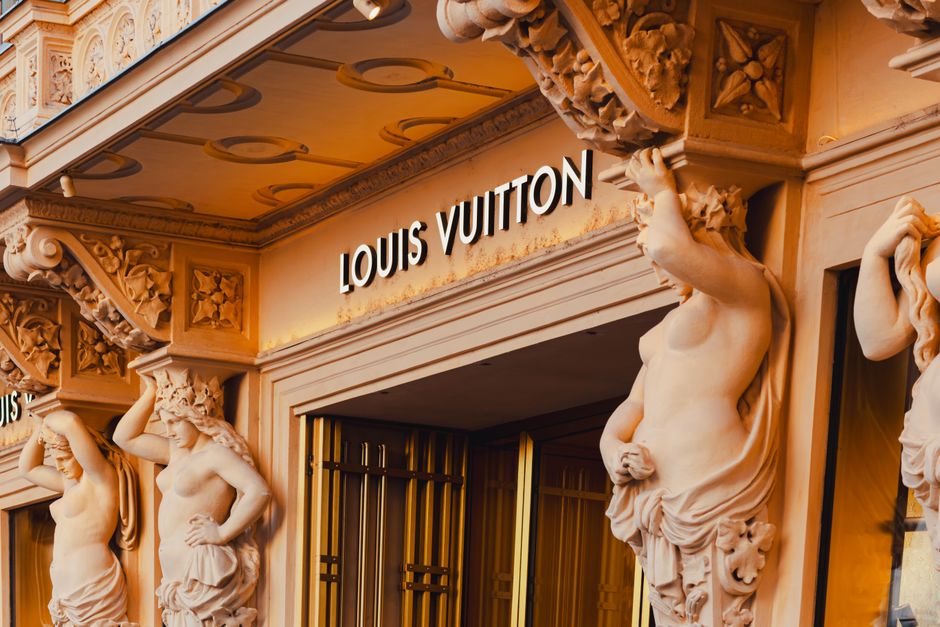
The luxury resale market is currently valued at approximately $24 billion, with projections estimating it could reach $64 billion by 2028. This explosive growth is largely due to changing consumer preferences. Today’s buyers are not only looking for high-quality items but are also increasingly drawn to sustainability. By opting for second-hand luxury goods, consumers can enjoy the prestige of owning high-end brands while minimizing their environmental footprint.
Moreover, the rise of social media has played a pivotal role in shaping consumer attitudes towards pre-owned luxury items. Platforms like Instagram and TikTok have normalized the conversation around thrift shopping and reselling, making it not just acceptable but fashionable. This cultural shift has encouraged many to explore options provided by a luxury brand reseller, where they can find unique pieces that reflect their personal style without the hefty price tag of new luxury goods.
Key Players in the Resale Market
The luxury resale market is populated by various players, including online platforms, brick-and-mortar consignment shops, and independent resellers. Websites such as The RealReal, Vestiaire Collective, and Poshmark have established themselves as leaders in this space, offering a wide array of authenticated luxury items.
These platforms provide a trusted environment for buyers and sellers alike, ensuring that all items are verified for authenticity. Authentication is a crucial aspect of the luxury resale market, as counterfeit goods can undermine consumer trust. To combat this, many resellers have instituted rigorous verification processes, which have become a selling point for their businesses.
The Impact of Digitalization
Digitalization has transformed the way consumers shop for luxury goods. The convenience of online shopping, combined with the accessibility of information regarding product authenticity and pricing, has made it easier for consumers to engage in the resale market. Mobile apps and user-friendly websites have allowed resellers to reach a global audience, making it possible for luxury items to be bought and sold across borders.
Furthermore, sophisticated algorithms and data analytics have empowered these platforms to offer personalized recommendations to users, enhancing the shopping experience. This technological advancement has led to increased customer satisfaction and loyalty, as consumers are more likely to return to platforms that understand their preferences and shopping habits.
Challenges in the Resale Market
Despite its rapid growth, the luxury resale market is not without challenges. One of the primary concerns is ensuring the authenticity of items sold, as the proliferation of counterfeit goods remains a significant issue. Resellers must invest in robust authentication measures to maintain consumer trust and uphold their brand reputation.
Additionally, competition is fierce within the resale market. As more players enter the industry, established resellers must differentiate themselves by offering unique services, exceptional customer service, or exclusive product offerings. This competitive landscape can make it difficult for new entrants to gain traction, necessitating innovative marketing strategies and strong online presence.
Future Trends in Luxury Reselling
Looking ahead, the luxury resale market is poised for continued growth. As younger generations become more influential consumers, their preferences for sustainable and ethical shopping practices will likely drive further demand for pre-owned luxury goods. Brands themselves may even start to embrace resale as a strategy to connect with eco-conscious consumers, leading to collaborations between luxury brands and resale platforms.
Moreover, the integration of blockchain technology for authentication purposes presents a promising avenue for ensuring the legitimacy of luxury items. As technology continues to evolve, it will play a critical role in shaping the future of the luxury resale market, offering new solutions to age-old challenges.
Conclusion
The rise of the luxury brand reseller signifies a fundamental shift in consumer behavior and market dynamics. As the demand for sustainable luxury continues to grow, the resale market will play an increasingly important role in how consumers engage with high-end brands. For both consumers and businesses, understanding this evolving landscape is essential for making informed purchasing decisions and leveraging new opportunities within the marketplace.