
 By Jordan Coleman
 In the agricultural sector, uncertainty is a constant companion. Farmers face numerous risks, including unpredictable weather patterns, pests, and market fluctuations. Crop insurance has emerged as a vital tool to mitigate these risks, providing a safety net that allows farmers to recover from losses. This article explores the intricacies of crop insurance, its types, benefits, and how it plays a crucial role in modern agriculture.
What is Crop Insurance?
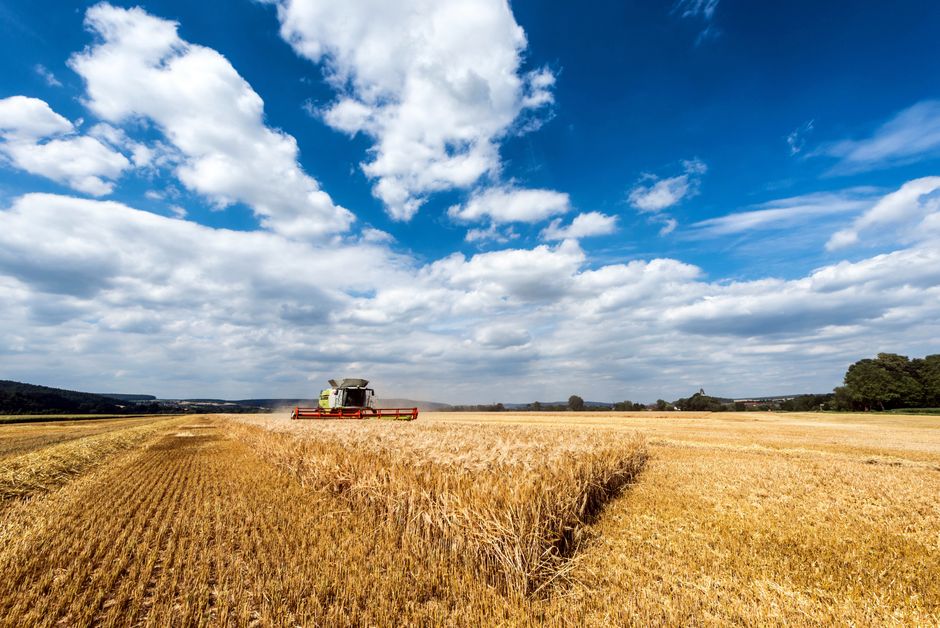
Crop insurance is a type of insurance policy designed to protect farmers against the loss of their crops due to various unforeseen events. These policies can cover a range of risks, including droughts, floods, disease, and even market price fluctuations. The primary objective is to provide financial security to farmers, ensuring they can sustain their livelihoods even in the face of adversity.
There are two main types of crop insurance: actual production history (APH) insurance and revenue insurance. APH insurance focuses on the yield of a specific crop based on historical data, while revenue insurance protects against both yield loss and price fluctuations. Understanding these types is crucial for farmers to select the right policy that suits their needs.
The Importance of Crop Insurance
The significance of crop insurance cannot be overstated. According to the United States Department of Agriculture (USDA), over 90% of insured cropland in the country is covered by crop insurance. This widespread adoption highlights its essential role in stabilizing the agricultural economy. By offering financial protection, crop insurance encourages farmers to invest in better farming practices and technologies, ultimately leading to increased productivity.
Moreover, crop insurance contributes to food security by ensuring that farmers can continue to produce food even after experiencing significant losses. In times of natural disasters, the agricultural sector often suffers the most, and crop insurance helps maintain a steady food supply, benefiting consumers and the economy alike.
How to Choose the Right Crop Insurance Policy
Choosing the right crop insurance policy can be daunting, given the various options available. Farmers should start by assessing their unique risks based on their geographical location, crop type, and farming practices. Consulting with an insurance agent who specializes in crop insurance can provide valuable insights and help navigate the complexities involved.
Additionally, understanding the policy’s coverage limits, deductibles, and premium costs is essential. Farmers should also consider their financial situation and choose a policy that balances affordability with adequate coverage. For instance, some policies may offer lower premiums but come with higher deductibles, which could be a disadvantage in the event of a loss.
Recent Trends in Crop Insurance
In recent years, the crop insurance landscape has seen significant changes. Innovations in technology, such as satellite imagery and data analytics, have improved risk assessment and claims processing. These advancements allow insurers to offer more tailored policies that reflect the specific risks faced by individual farmers.
Furthermore, there has been a growing emphasis on sustainability in agriculture. Many crop insurance providers are now offering policies that reward farmers for adopting environmentally friendly practices, such as crop rotation and reduced pesticide use. This trend not only benefits the environment but also supports farmers in their efforts to maintain sustainable operations.
Conclusion
Crop insurance stands as a vital component of modern agriculture, providing farmers with the necessary tools to manage risks associated with unpredictable circumstances. As the agricultural industry continues to evolve, staying informed about crop insurance options and trends will empower farmers to make better decisions for their operations. By investing in the right crop insurance policy, farmers can safeguard their livelihoods and contribute to a resilient food system. For more information on crop insurance, consider exploring resources that delve deeper into the subject.
For anyone considering crop insurance, it’s crucial to consult with professionals and weigh the options available. The right decision can make all the difference in navigating the challenges of farming.