
 By Jordan Coleman
 In today’s competitive business environment, the significance of a well-designed commercial space cannot be overstated. The role of a commercial interior designer extends beyond mere aesthetics; it involves creating functional, efficient, and inspiring environments that reflect a company’s brand and values.
Understanding Commercial Interior Design
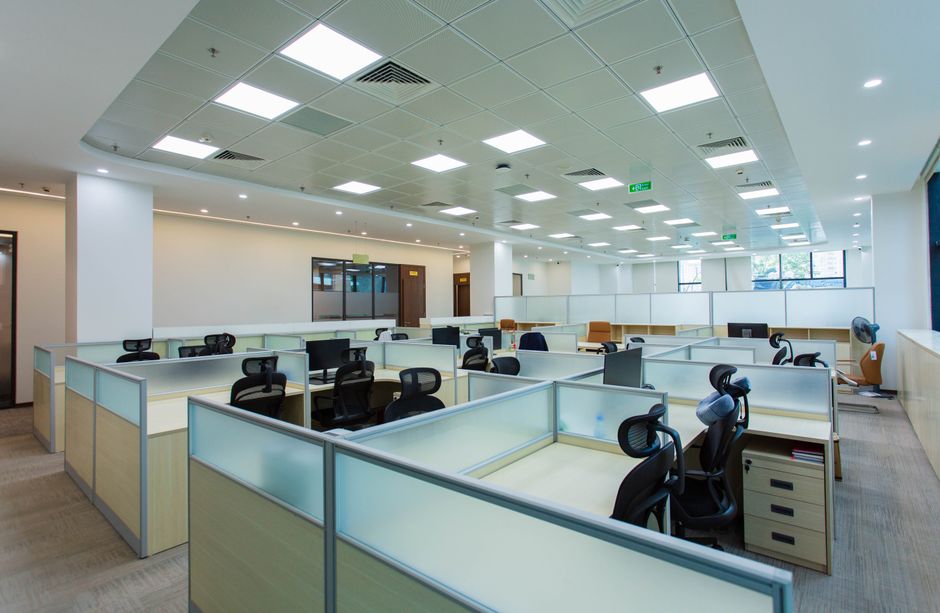
Commercial interior design encompasses the planning and design of interior spaces for business environments. This includes offices, retail spaces, restaurants, and more. A commercial interior designer must understand not only the principles of design but also the specific needs of businesses and their clientele. For instance, the design of an office space should foster productivity and collaboration, while a retail space should create an inviting atmosphere that encourages customers to explore and make purchases.
According to the American Society of Interior Designers, the demand for commercial interior designers is steadily increasing, with businesses recognizing the impact of design on employee satisfaction and customer experience. A well-thought-out design can lead to increased productivity and higher sales, making the investment in a commercial interior designer worthwhile.
Key Elements of Successful Commercial Design
Successful commercial interior design incorporates various elements that work together to create a cohesive and functional space. One of the primary aspects is space planning, which involves the strategic arrangement of furniture, fixtures, and equipment. Effective space planning ensures that the layout supports the intended functions of the space, whether it be for collaboration, privacy, or customer interaction.
Another crucial element is lighting. Proper lighting not only enhances the aesthetic appeal of a space but also affects mood and productivity. For example, natural light is often preferred in office spaces as it has been shown to improve employee well-being and efficiency. Therefore, a commercial interior designer must be adept at utilizing both natural and artificial lighting to enhance the environment.
The Importance of Branding in Design
Branding plays a pivotal role in commercial interior design. A well-designed space should reflect the brand’s identity, values, and mission. This can be achieved through color schemes, materials, and overall design aesthetics that resonate with the target audience. For instance, a tech startup may opt for a modern and minimalist design, while a luxury retail brand may choose opulent materials and sophisticated layouts.
Moreover, incorporating brand elements into the design can create a memorable experience for customers. This is particularly important in retail environments, where the design can significantly influence purchasing decisions. According to research by the Journal of Retailing, 70% of buying experiences are based on how the customer feels they are being treated, which highlights the importance of a well-designed commercial space.
Challenges Faced by Commercial Interior Designers
Despite the rewarding aspects of the profession, commercial interior designers face several challenges. One significant challenge is working within budget constraints while still achieving a high-quality design. Designers must balance the client’s vision with practical considerations, often requiring creativity and resourcefulness.
Additionally, staying updated with the latest trends and technologies in interior design is essential. The industry is constantly evolving, with new materials and design techniques emerging regularly. Designers must also consider sustainability and energy efficiency in their designs, as more businesses seek to adopt eco-friendly practices.
Conclusion: The Future of Commercial Interior Design
As businesses continue to recognize the value of well-designed spaces, the role of commercial interior designers will only grow in importance. These professionals not only enhance the functionality and aesthetic appeal of commercial environments but also contribute to the overall success of businesses by improving employee satisfaction and customer experience. By understanding the intricacies of commercial design and staying ahead of industry trends, designers can create spaces that are not only beautiful but also aligned with the goals and values of their clients.