
 By Jordan Coleman
 Commercial interior design is a specialized field that plays a crucial role in creating functional and aesthetically pleasing spaces for businesses. It involves a deep understanding of how to optimize environments for productivity, branding, and customer experience. This article delves into the key aspects of commercial interior design, exploring its importance, trends, and the process involved.
Understanding Commercial Interior Design
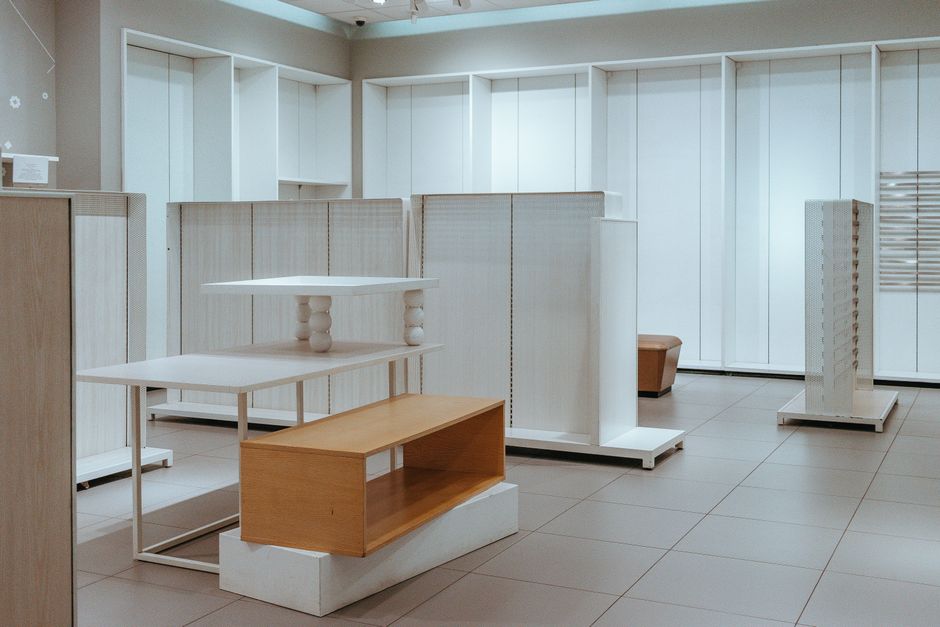
Commercial interior design is not just about choosing the right colors and furniture; it encompasses a comprehensive approach to creating spaces that reflect a brand’s identity while meeting practical needs. This can range from offices and retail stores to restaurants and hotels. The primary goal is to enhance the functionality of a space while ensuring it resonates with the intended audience.
One of the most significant aspects of commercial interior design is the ability to tailor environments to specific business requirements. For instance, an office designed for a tech startup will differ vastly from one created for a law firm. This customization is essential in creating a space that not only looks good but also improves efficiency and employee satisfaction.
The Role of a Commercial Interior Designer
A commercial interior designer serves as the bridge between a client’s vision and the final outcome. They assess the needs of a business, understand its culture, and create design solutions that align with its goals. This process often involves collaborating with architects, contractors, and other professionals to ensure that the design is executed effectively.
The responsibilities of a commercial interior designer include space planning, material selection, color schemes, and furniture design. They must also stay updated on building codes and regulations, ensuring that all designs comply with safety standards and legal requirements. This knowledge is crucial in avoiding potential issues that could arise during or after the construction process.
Trends in Commercial Interior Design
In recent years, several trends have emerged in commercial interior design, reflecting changes in work culture and consumer behavior. One notable trend is the emphasis on sustainability. Businesses are increasingly looking for eco-friendly materials and energy-efficient designs, which can also enhance their corporate image.
Another trend is the incorporation of technology into design. Smart offices equipped with advanced technology can improve communication and collaboration among employees. Features such as adjustable lighting, automated climate control, and integrated audiovisual systems are becoming standard in modern commercial spaces.
Case Studies: Successful Commercial Interior Design Projects
Several businesses have successfully transformed their spaces through effective commercial interior design. For example, a well-known tech company revamped its offices to promote collaboration and creativity. By incorporating open spaces, breakout areas, and vibrant colors, the redesign not only improved employee morale but also enhanced productivity.
Additionally, a popular restaurant chain utilized commercial interior design to create a unique dining experience. By focusing on ambiance, they crafted a space that reflects their brand identity, attracting more customers and boosting sales. Such case studies highlight the tangible benefits of investing in professional commercial interior design.
Choosing the Right Commercial Interior Designer
When selecting a commercial interior designer, it’s essential to consider their portfolio and experience. A designer’s previous work can provide insight into their style and capabilities. Additionally, it is important to assess their understanding of your specific industry and needs.
Communication is also a key factor in the success of any design project. A good designer should be able to articulate their ideas clearly and be receptive to feedback. This collaborative approach ensures that the final design aligns with the client’s vision and goals.
For businesses looking to elevate their interiors, hiring a commercial interior designer with a proven track record can make all the difference. By leveraging their expertise, companies can create spaces that not only meet functional needs but also inspire and engage employees and customers alike.
Conclusion
In conclusion, commercial interior design is a vital component of any business strategy aiming to enhance functionality and aesthetics. By understanding the unique needs of a space and incorporating the latest trends, commercial interior designers can significantly impact a company’s atmosphere and productivity. Investing in professional design services is not just a cost but a strategic move that can lead to long-term benefits for any business.