
 By Jordan Coleman
 In the competitive world of the food and beverage industry, creating an inviting atmosphere is as crucial as the menu itself. Restaurant interior design is not just about aesthetics; it plays a vital role in enhancing customer experience, influencing their mood, and ultimately driving sales. This article delves into the key components of effective restaurant interior design, exploring how thoughtful planning and creativity can transform an ordinary space into a memorable dining experience.
The Importance of First Impressions
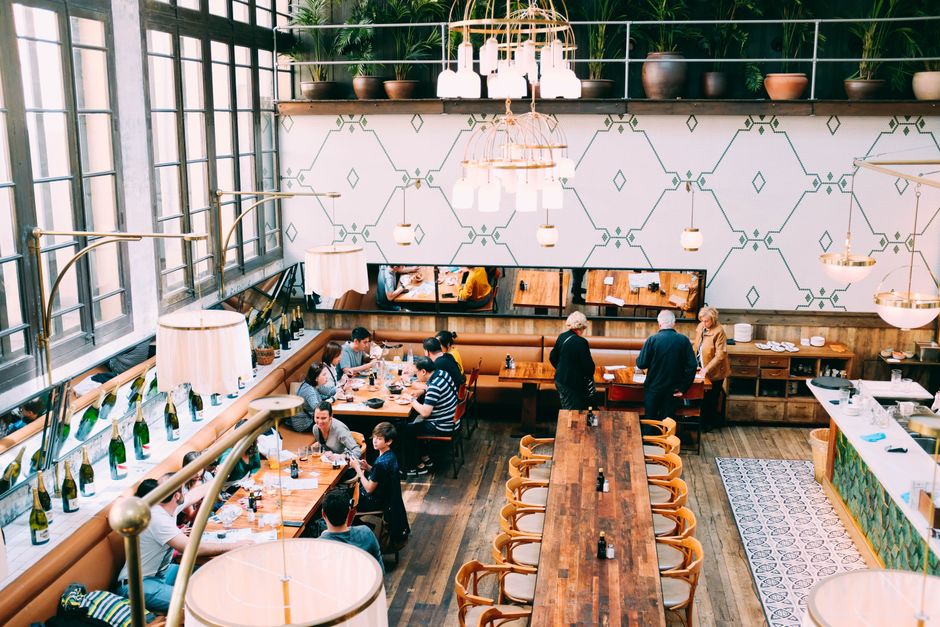
When guests walk into a restaurant, their first impression is formed within seconds. The interior design sets the tone and can evoke emotions ranging from warmth and comfort to excitement and elegance. According to a survey by the National Restaurant Association, 70% of diners say that restaurant ambiance significantly affects their overall dining experience. Therefore, it is essential for restaurateurs to prioritize the design of their spaces.
Effective restaurant interior design should reflect the brand’s identity and target demographic. A high-end restaurant may opt for luxurious materials and sophisticated lighting, while a casual eatery might embrace a more relaxed and fun atmosphere. Understanding the target audience is key to creating a space that resonates with them.
Elements of Effective Restaurant Interior Design
Several elements come together to create an effective restaurant interior design. These include layout, color scheme, furniture selection, and lighting. Each element plays a significant role in shaping the overall atmosphere of the establishment.
The layout is crucial as it affects the flow of service and the comfort of the guests. A well-planned layout will consider how diners move through the space, ensuring they can easily find their seats and navigate the restaurant without obstruction. For example, creating designated areas for families, couples, and large groups can enhance the dining experience.
The choice of colors can also influence a guest’s mood and appetite. Warm colors like red and orange can stimulate hunger and energy, while cooler tones like blue and green can promote relaxation. Restaurateurs should carefully select a color palette that aligns with their brand and desired ambiance.
Creating a Unique Atmosphere
One of the most effective ways to stand out in the restaurant industry is by creating a unique atmosphere that reflects the establishment’s personality. This can be achieved through themed decor, art installations, and even the use of local materials. For instance, a restaurant that focuses on sustainability might incorporate reclaimed wood and upcycled furnishings into its design.
Incorporating local culture and history into the design can also foster a sense of community and connection with patrons. By showcasing local artists or using regional design elements, a restaurant can create a space that feels authentic and welcoming. This not only enhances the dining experience but also encourages repeat visits.
The Role of Technology in Interior Design
In today’s digital age, technology plays a pivotal role in enhancing restaurant interior design. From smart lighting systems to digital menus, technology can streamline operations and improve customer satisfaction. For instance, implementing a lighting control system allows managers to adjust the ambiance based on the time of day or the crowd size, creating a dynamic and adaptable environment.
Additionally, the integration of social media-friendly design elements can attract younger diners who want to share their experiences online. Restaurants that incorporate unique backdrops or art installations are likely to see an increase in social media engagement, as guests share photos and reviews.
Case Studies: Successful Restaurant Designs
Several restaurants have successfully implemented innovative interior design strategies that have contributed to their success. For example, the restaurant “Noma” in Copenhagen is renowned for its minimalist design that emphasizes the connection between nature and dining. Its use of natural materials and a simple color palette creates a serene environment that enhances the culinary experience.
Another example is “The Avocado Show” in Amsterdam, which uses bright colors and playful decor to create a vibrant and Instagrammable space. Its focus on avocados is reflected in both the menu and the design, making it a memorable destination for diners.
These case studies illustrate the impact that well-thought-out restaurant interior design can have on brand identity, customer satisfaction, and overall success in the competitive restaurant market.
Conclusion
Restaurant interior design is a complex and multifaceted aspect of the dining experience that should not be overlooked. By understanding the importance of first impressions, the key elements of design, and the role of technology, restaurateurs can create engaging and memorable spaces for their guests. As the industry continues to evolve, staying ahead of design trends and incorporating unique elements will be essential for success. For those seeking inspiration and expertise in restaurant interior design, resources such as restaurant interior design firms can provide valuable insights and support.