
 By Jordan Coleman
 Stainless steel is a material that has revolutionized various industries due to its unique properties and versatility. From kitchen appliances to construction, its applications are widespread, providing both aesthetic appeal and functional advantages. In this article, we will delve into the characteristics, uses, and benefits of stainless steel, highlighting why it remains a preferred choice in many sectors.
Understanding Stainless Steel
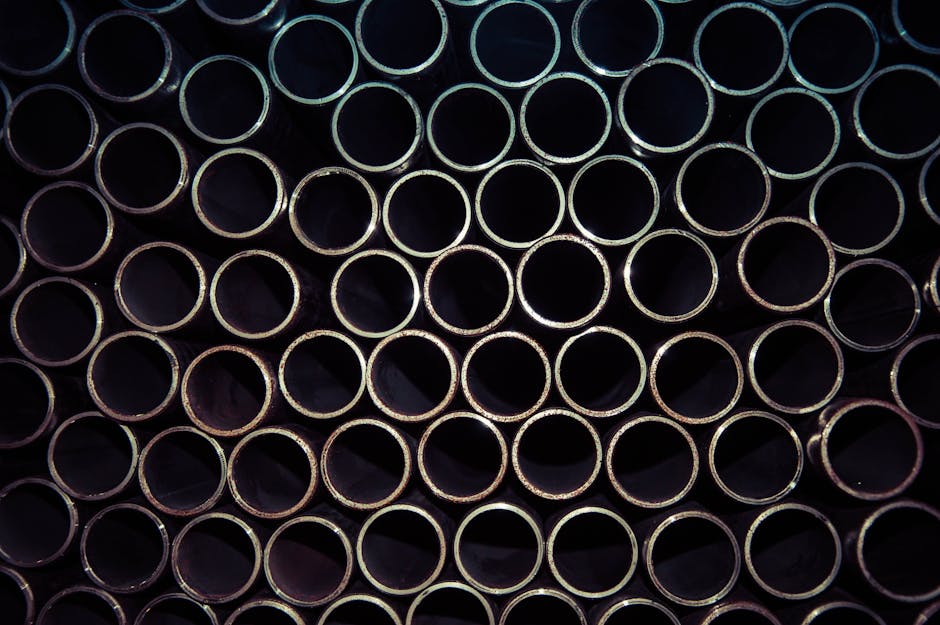
Stainless steel is an alloy primarily composed of iron, chromium, and nickel. The addition of chromium is what gives stainless steel its remarkable corrosion resistance. This characteristic is vital for applications where exposure to moisture and varying temperatures is common. Furthermore, the nickel enhances the alloy’s ductility and toughness, making it easier to work with during manufacturing processes.
The composition of stainless steel can vary significantly, leading to different grades with specific properties. For instance, 304 and 316 are two of the most common types used in manufacturing. Grade 316, which contains molybdenum, offers superior corrosion resistance, making it ideal for marine environments and chemical processing industries.
Applications in Various Industries
Stainless steel’s durability and aesthetic appeal make it a popular choice across multiple industries. In the culinary world, stainless steel is the material of choice for cookware, cutlery, and kitchen appliances. Its non-reactive nature ensures that food maintains its original flavor and quality. Additionally, its easy-to-clean surface is a significant advantage for maintaining hygiene in food preparation areas.
In construction, stainless steel serves not only structural purposes but also decorative ones. Its strength allows for the creation of slender and elegant designs without compromising safety. For example, many modern skyscrapers incorporate stainless steel facades that not only provide durability but also contribute to energy efficiency through reflective properties.
Moreover, the automotive industry utilizes stainless steel for exhaust systems and trim due to its resistance to heat and corrosion. This use extends the lifespan of vehicles, providing consumers with a reliable and appealing product.
Benefits of Using Stainless Steel
The benefits of stainless steel extend beyond its aesthetic appeal. One of the most significant advantages is its longevity. Unlike other materials that may rust or degrade over time, stainless steel maintains its integrity, reducing the need for frequent replacements. This durability translates to cost savings in the long run, making it a wise investment for both consumers and businesses.
Another benefit is the material’s recyclability. Stainless steel is 100% recyclable, making it an environmentally friendly choice. The recycling process requires less energy compared to producing new stainless steel, thereby reducing the overall carbon footprint associated with its production. This sustainability aspect is increasingly important in today’s eco-conscious market.
Stainless steel also offers excellent temperature resistance, making it suitable for applications where extreme heat or cold might be a factor. Its ability to withstand high temperatures without warping or losing structural integrity is crucial in industries such as aerospace and manufacturing.
Challenges and Considerations
Despite its many advantages, there are challenges associated with stainless steel. One notable issue is its cost. Stainless steel tends to be more expensive than other materials, which can be a deterrent for some consumers. However, considering the long-term benefits, many find that the initial investment is justified.
Additionally, while stainless steel is resistant to rust and corrosion, it is not entirely immune. Under certain conditions, such as exposure to chlorides, it can suffer from localized corrosion. Therefore, it is essential to select the appropriate grade of stainless steel for specific applications to mitigate this risk.
Future Trends in Stainless Steel
The future of stainless steel looks promising, with ongoing innovations and advancements in technology. Researchers are exploring new alloys and coatings that enhance the material’s properties, aiming for even greater durability and resistance to corrosion. Furthermore, the trend towards sustainable materials continues to drive interest in stainless steel, as industries seek eco-friendly alternatives that do not compromise on quality.
Another trend is the design aspect, as architects and designers increasingly favor stainless steel for its modern aesthetic. This popularity is likely to lead to more creative applications in both interior and exterior designs, pushing the boundaries of what can be achieved with this versatile material.
As industries evolve and prioritize sustainability, the demand for stainless steel is expected to grow. The versatility of stainless steel allows it to adapt to various needs, making it a staple material for the future.
Conclusion
In conclusion, stainless steel is a remarkable material that offers a blend of aesthetic appeal, durability, and sustainability. Its applications span numerous industries, proving its versatility and reliability. While there are challenges to consider, the benefits often outweigh the drawbacks, making stainless steel a preferred choice for many. As we look to the future, advancements in technology and a focus on sustainability will undoubtedly enhance the role of stainless steel in our daily lives and industries.
For businesses looking to incorporate high-quality, durable materials into their products, working with a Furniture Company In Saudi Arabia that specializes in stainless steel can provide effective solutions that meet both functional and design needs.