
 By Jordan Coleman
 In today’s fast-paced dining environment, restaurant owners are constantly seeking ways to enhance efficiency, improve customer service, and streamline operations. One of the most critical tools in achieving these goals is a robust restaurant POS system. This article explores the various facets of restaurant POS systems, their benefits, and how they can transform the dining experience for both staff and customers.
Understanding Restaurant POS Systems
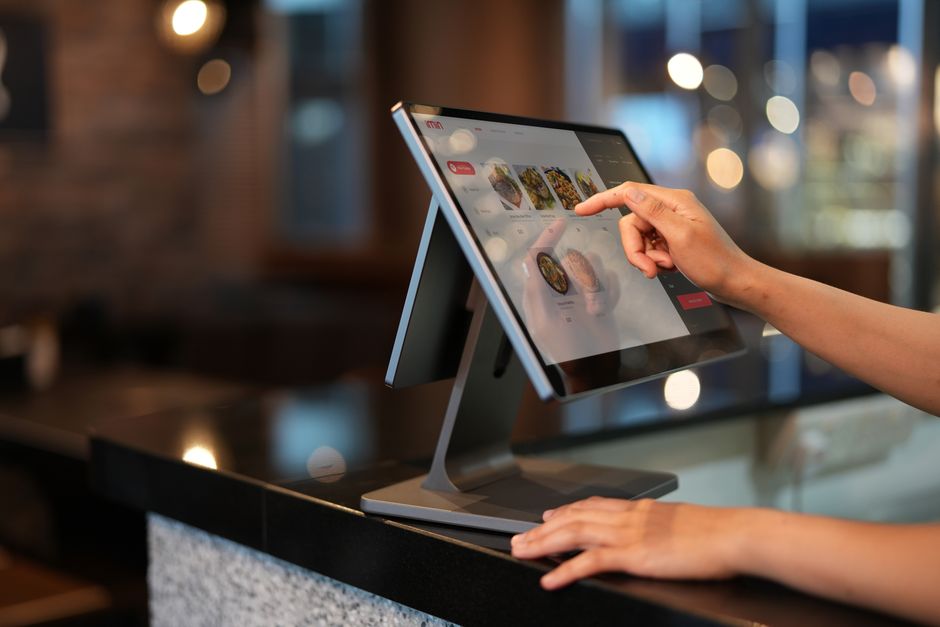
A restaurant POS system is not just a cash register; it is a sophisticated software and hardware solution that handles a variety of tasks crucial to restaurant management. From processing orders to tracking sales data, the POS system serves as the backbone of daily operations. The integration of this system can lead to significant improvements in efficiency and accuracy.
Modern POS systems often come equipped with features such as inventory management, customer relationship management (CRM), and employee scheduling tools. These functionalities allow restaurant managers to monitor performance in real-time, make data-driven decisions, and enhance overall productivity.
Benefits of Implementing a Restaurant POS System
Investing in a quality restaurant POS system can yield numerous benefits. One of the primary advantages is the speed with which transactions can be processed. With a user-friendly interface, staff can take orders and process payments quickly, reducing wait times for customers.
Another significant benefit is the ability to track sales and inventory seamlessly. Restaurant owners can gain insights into which menu items are performing well and which ones are not. This data enables them to adjust their offerings and marketing strategies efficiently. For example, if a particular dish is consistently selling out, it may be time to consider adding it as a permanent menu item.
Choosing the Right Restaurant POS System
When selecting a POS system, it is essential to consider various factors. The first step is to assess your restaurant’s needs. For instance, a fast-casual restaurant may require a different set of features compared to a fine dining establishment.
Additionally, the scalability of the system is crucial. As the restaurant grows, the POS system should be able to adapt to increased volume and complexity. Many providers offer cloud-based solutions that can grow with your business, providing flexibility and ease of access.
Lastly, do not overlook customer support. A responsive support team can make a substantial difference when technical issues arise. It is advisable to choose a provider known for excellent customer service, as this can help avoid potential disruptions in operations.
Integrating Payment Solutions
With the rise of digital payments, integrating various payment solutions into your restaurant POS system is vital. Customers now expect to pay using different methods, including credit cards, mobile wallets, and even cryptocurrency.
Having a versatile payment solution not only enhances customer satisfaction but also helps in reducing the chances of errors during transactions. A comprehensive POS system can manage these different payment methods efficiently, allowing for smooth and fast checkouts.
restaurant POS system providers often offer features that facilitate various payment integrations, ensuring that your establishment remains competitive in a rapidly evolving market.
Future Trends in Restaurant POS Technology
The future of restaurant POS systems looks promising with advancements in technology. Artificial intelligence (AI) is expected to play a significant role in enhancing the capabilities of these systems. For example, AI can analyze customer preferences and suggest menu items based on past orders.
Furthermore, the integration of machine learning algorithms can lead to better inventory management by predicting stock levels based on historical sales data. This predictive capability can help restaurants reduce waste and improve profitability.
Another emerging trend is the use of contactless technology. In the wake of the COVID-19 pandemic, many customers prefer to minimize contact during their dining experience. POS systems that support contactless payments and digital menus will likely continue to gain traction in the industry.
Conclusion
In conclusion, a robust restaurant POS system is essential for modern dining establishments. Not only does it streamline operations and enhance customer service, but it also provides valuable insights for better decision-making. As technology continues to evolve, investing in a flexible and feature-rich POS system will be crucial for restaurants aiming to thrive in a competitive market. By understanding the benefits and functionalities of these systems, restaurant owners can make informed choices that will lead to long-term success.