
 By Jordan Coleman
 The process of choosing furniture for children’s spaces can be both exciting and daunting for parents. Not only do they want functional pieces, but they also aim to create a vibrant and engaging environment for their little ones. A well-curated kids furniture store can make all the difference in achieving this goal. In this article, we explore the essential elements of a successful kids furniture store and what parents should consider when shopping for their children’s furniture.
Understanding the Needs of Children
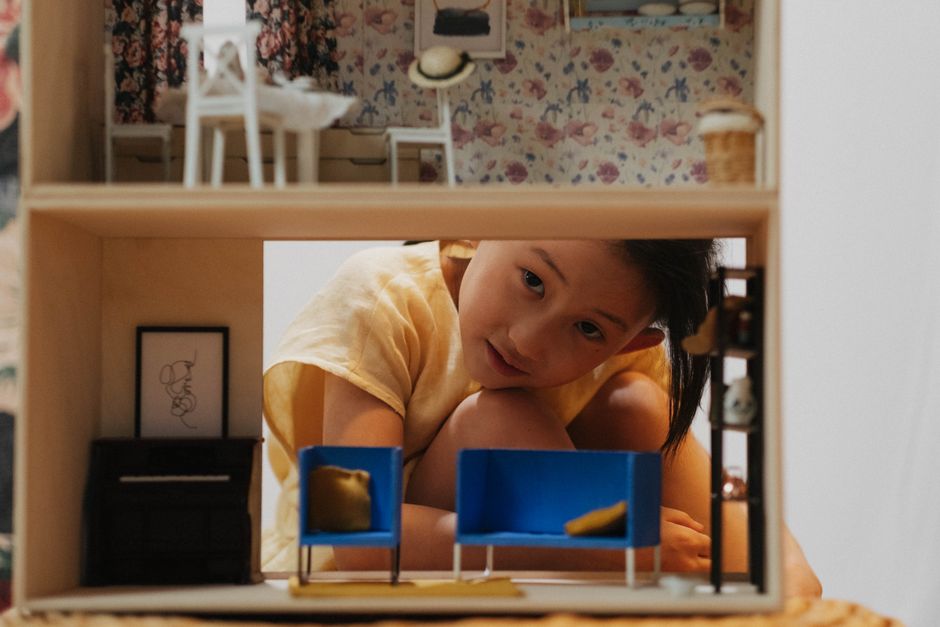
When it comes to children’s furniture, understanding their needs is paramount. Kids require furniture that is not only safe but also adaptable to their growing needs. For instance, a well-designed kids desk should accommodate various activities, from homework to arts and crafts. According to a study by the American Academy of Pediatrics, the right furniture can support children’s physical development, helping them maintain good posture as they grow.
Moreover, the furniture should be durable enough to withstand the energetic play of children. Many furniture stores now offer products made from high-quality materials that are designed to last. Parents should look for items that feature rounded edges and non-toxic finishes to ensure safety. In addition, adjustable heights for tables and chairs can accommodate children as they grow, making them a wise investment.
Creating a Fun and Engaging Atmosphere
The aesthetics of a kids furniture store play a crucial role in attracting parents and children alike. Bright colors, playful designs, and themed furniture can create an inviting atmosphere. For example, furniture that features beloved cartoon characters or whimsical designs can spark children’s imagination and make their spaces feel special.
Moreover, the layout of the store should encourage exploration. A well-organized space allows children to interact with the furniture, helping them visualize how these pieces might look in their own rooms. Incorporating interactive displays or play areas can also enhance the shopping experience, making it enjoyable for both kids and parents.
Eco-Friendly Options for Conscious Consumers
In recent years, there has been a significant shift towards eco-friendly products in the furniture industry. Parents today are more aware of the environmental impact of their purchases and are actively seeking sustainable options. Many kids furniture stores now offer products made from recycled materials or sustainably sourced wood.
For example, furniture made from bamboo is not only durable but also a renewable resource. Additionally, stores that prioritize eco-friendly practices often provide certifications that reassure parents about the safety and sustainability of their products. Investing in eco-friendly furniture is not just a trend; it reflects a commitment to a healthier planet for future generations.
Online Shopping vs. In-Store Experience
With the rise of e-commerce, parents now have the option to shop for kids furniture online. While online shopping offers convenience and a wider selection, it can lack the tactile experience that comes with visiting a physical store. Being able to see and feel the furniture can be crucial in making a decision.
However, many online kids furniture stores provide detailed descriptions, customer reviews, and even augmented reality features that allow customers to visualize how a piece would look in their space. Parents should weigh the pros and cons of both shopping methods. For those who prefer the traditional route, finding a local kids furniture store can lead to personalized service and the chance to support small businesses.
Budgeting for Kids Furniture
Finally, budgeting is an essential aspect of shopping for kids furniture. Prices can vary widely, and it is important for parents to set a realistic budget before they begin their shopping journey. Investing in high-quality furniture may seem like a higher upfront cost, but it often pays off in durability and longevity.
Additionally, many kids furniture stores offer financing options or sales throughout the year, which can help ease the financial burden. Parents should also consider purchasing multifunctional pieces that can grow with their child, providing both value and versatility over time.
Conclusion
Creating the perfect space for children involves thoughtful consideration of their needs, preferences, and safety. Whether parents choose to shop at a local kids furniture store or explore online options, being informed about the available choices can lead to better decisions. By focusing on quality, sustainability, and functionality, parents can create a nurturing environment that fosters creativity and growth for their children.