
 By Jordan Coleman
 The emergence of 3D printing technology has dramatically transformed various industries, leading to enhanced efficiency and innovation. As businesses increasingly recognize the potential of additive manufacturing, the demand for 3D printing service has surged. This article explores the multifaceted benefits of 3D printing services, their applications across different sectors, and what the future holds for this groundbreaking technology.
Understanding 3D Printing Technology
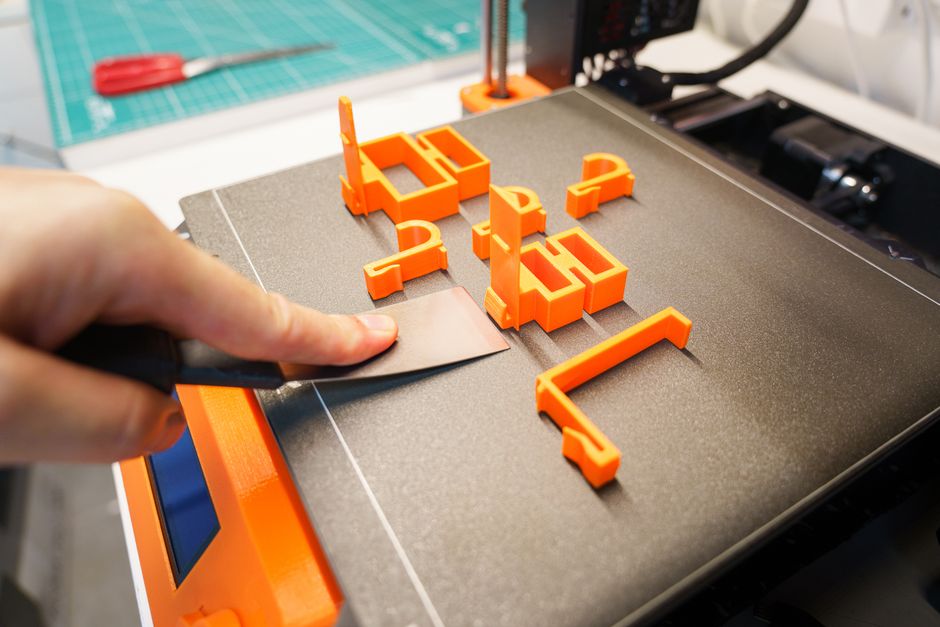
3D printing, also known as additive manufacturing, is a process that creates three-dimensional objects by layering materials based on digital models. This technology allows for intricate designs that are often impossible to achieve with traditional manufacturing methods. The process typically involves several steps, including designing a 3D model using CAD software, slicing the model into layers, and finally, printing the object layer by layer.
One significant advantage of 3D printing is its ability to reduce waste. Traditional manufacturing methods often involve cutting away material from a larger block, resulting in a considerable amount of waste. In contrast, 3D printing adds material only where necessary, making it a more sustainable option.
Furthermore, the versatility of materials used in 3D printing is expanding rapidly. From plastics and metals to ceramics and even organic materials, the range of available substances allows for a broad spectrum of applications. This adaptability is one reason why many companies are turning to 3D printing services to meet their needs.
Applications of 3D Printing Services
3D printing services are being utilized across various sectors, including automotive, healthcare, aerospace, and consumer goods. In the automotive industry, companies use 3D printing to create prototypes and production parts, which significantly reduces lead times and costs. For example, Ford has employed 3D printing to produce parts for its vehicles, allowing for rapid adjustments and innovations.
In healthcare, the technology has opened new avenues for creating personalized medical devices and prosthetics. Surgeons can use 3D-printed models of patients’ organs to plan complex procedures, leading to improved surgical outcomes. According to a study from the National Institutes of Health, 3D printing has the potential to reduce surgical time by up to 30% when using pre-surgical models.
Aerospace companies have also adopted 3D printing services to manufacture lightweight parts that enhance fuel efficiency. Boeing, for instance, has integrated 3D-printed components into its aircraft design, resulting in substantial weight reductions and cost savings.
The Cost Efficiency of 3D Printing
One of the most attractive aspects of 3D printing services is their cost efficiency. While the initial investment in a 3D printer can be significant, the long-term savings can be considerable. By reducing material waste and lowering production costs, businesses can achieve a quicker return on investment.
Moreover, 3D printing facilitates rapid prototyping, which decreases the time between concept and market. Companies can quickly iterate designs based on feedback without the need for extensive tooling or manufacturing changes. This agility is vital in today’s fast-paced market, where being first to market can provide a significant competitive advantage.
For small businesses and startups, the accessibility of 3D printing services means that they can compete on a more level playing field with larger corporations. The ability to create custom products without large-scale manufacturing capabilities allows for innovation and creativity that was previously unattainable.
Challenges and Considerations
Despite the numerous benefits, there are challenges associated with 3D printing services. One major concern is the quality control of printed products. Ensuring that each printed item meets the required specifications can be difficult, particularly for complex designs. Companies must implement rigorous testing and quality assurance processes to maintain high standards.
Intellectual property issues also arise with 3D printing. As digital files can be easily shared and replicated, protecting designs and innovations from being copied can be a significant challenge. Businesses must navigate these legal complexities to safeguard their intellectual property.
Finally, the technology is still evolving, and there are limitations in terms of speed and material properties. As research and development continue, these challenges are expected to diminish, paving the way for broader adoption of 3D printing services in various industries.
The Future of 3D Printing Services
The future of 3D printing services looks promising as advancements in technology continue to emerge. Innovations such as bioprinting, which involves printing living tissues, could revolutionize the medical field. Additionally, the integration of artificial intelligence and machine learning in the design and printing processes will enhance efficiency and precision.
Moreover, as sustainability becomes a priority for businesses worldwide, the eco-friendly aspects of 3D printing will play a crucial role in its adoption. Companies are increasingly seeking ways to reduce their carbon footprint, and the ability to produce items on demand can significantly decrease overproduction and waste.
In conclusion, the rise of 3D printing services signifies a major shift in how products are designed and manufactured. With its myriad applications, cost efficiency, and potential for innovation, businesses that embrace this technology are well-positioned to thrive in the competitive landscape of the future.
Conclusion
In summary, 3D printing services are leading a revolution in manufacturing by providing cost-effective, versatile, and efficient solutions for various industries. As the technology continues to evolve, it promises to reshape the way businesses operate and innovate. Companies looking to stay ahead should consider the strategic advantages that 3D printing services offer, including sustainability, customization, and rapid prototyping. By leveraging these benefits, businesses can enhance their competitiveness in an ever-changing market.