
 By Jordan Coleman
 In a world increasingly aware of environmental issues, the role of plastic recycling companies has never been more crucial. These organizations are at the forefront of tackling plastic waste, transforming it into valuable resources. As global plastic production continues to rise, understanding the operations and innovations within this sector can provide insights into sustainable practices and future opportunities.
The Importance of Plastic Recycling
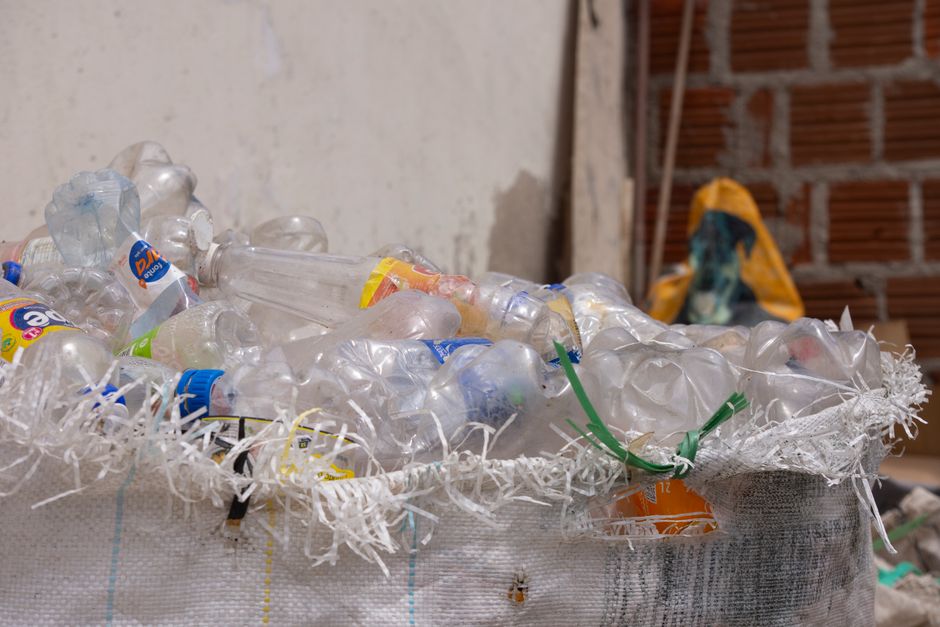
Plastic pollution is one of the most pressing environmental challenges of our time. According to the United Nations, about 300 million tons of plastic are produced globally each year, with a significant portion ending up in oceans and landfills. Plastic recycling companies play a vital role in mitigating this issue by collecting, processing, and repurposing plastic waste.
By recycling plastic, we can significantly reduce the amount of waste in our landfills and oceans. For instance, recycling just one ton of plastic can save over 7.4 cubic yards of landfill space. Moreover, recycling reduces the need for new plastic production, which is often derived from fossil fuels, thus lowering greenhouse gas emissions.
Innovations in Plastic Recycling Technologies
Recent advancements in technology have revolutionized the plastic recycling industry. Innovations such as chemical recycling are gaining traction, allowing for the breakdown of plastics into their original monomers, which can then be reused to create new plastic products. This method not only enhances recycling rates but also improves the quality of the recycled materials.
Moreover, artificial intelligence and machine learning are being integrated into recycling processes to improve efficiency. Smart sorting technologies can identify and separate different types of plastics more effectively than traditional methods. This can significantly increase the amount of recyclable material recovered, making the entire process more economically viable.
Challenges Faced by Plastic Recycling Companies
Despite the positive strides in plastic recycling, several challenges persist. One of the most significant issues is the contamination of recyclable materials. When non-recyclable items are mixed with plastics, it can lead to entire batches being deemed unusable. Educating the public about proper recycling practices is essential to overcoming this hurdle.
Additionally, the fluctuating prices of oil and plastic materials can impact the profitability of recycling programs. When oil prices are low, new plastic becomes cheaper to produce, making recycled plastics less competitive. To combat this, many plastic recycling companies are advocating for policies that support the use of recycled materials in manufacturing.
Global Efforts and Policy Changes
Governments and organizations worldwide are recognizing the importance of supporting plastic recycling initiatives. Policies aimed at reducing single-use plastics and promoting circular economy practices are on the rise. For example, the European Union has set ambitious targets to ensure that all plastic packaging is recyclable by 2030.
Furthermore, international agreements, like the Basel Convention, are being updated to address the global movement of plastic waste. These policies can lead to more stringent regulations on plastic production and waste management, creating a more favorable environment for recycling companies.
The Role of Consumers in Plastic Recycling
Consumers play a crucial role in the success of plastic recycling. By making conscious choices about their plastic usage and supporting companies that prioritize sustainability, individuals can significantly impact the effectiveness of recycling efforts. Initiatives such as zero-waste movements and plastic-free challenges are gaining popularity, encouraging people to rethink their consumption habits.
Furthermore, consumers can advocate for better recycling programs in their communities. Supporting local businesses and services that focus on recycling can create a demand for more efficient systems and innovations, ultimately benefiting the environment.
Conclusion
The future of plastic recycling is bright, fueled by innovation and a growing awareness of environmental responsibility. As plastic recycling companies continue to evolve and adapt to new challenges, they will remain crucial in the fight against plastic pollution. By understanding the importance of recycling, supporting innovative practices, and making informed consumer choices, we can all contribute to a more sustainable future. To learn more about effective solutions in this sector, consider exploring resources from a dedicated plastic recycling company.