
 By Jordan Coleman
 In an era where technological advancements are reshaping industries, the role of industrial automation suppliers has never been more critical. As companies strive to enhance productivity, reduce operational costs, and improve safety, the demand for automation solutions has surged. This article delves into the significance of industrial automation suppliers, the diverse solutions they offer, and how businesses can leverage these technologies to stay competitive in a rapidly evolving market.
The Role of Industrial Automation Suppliers
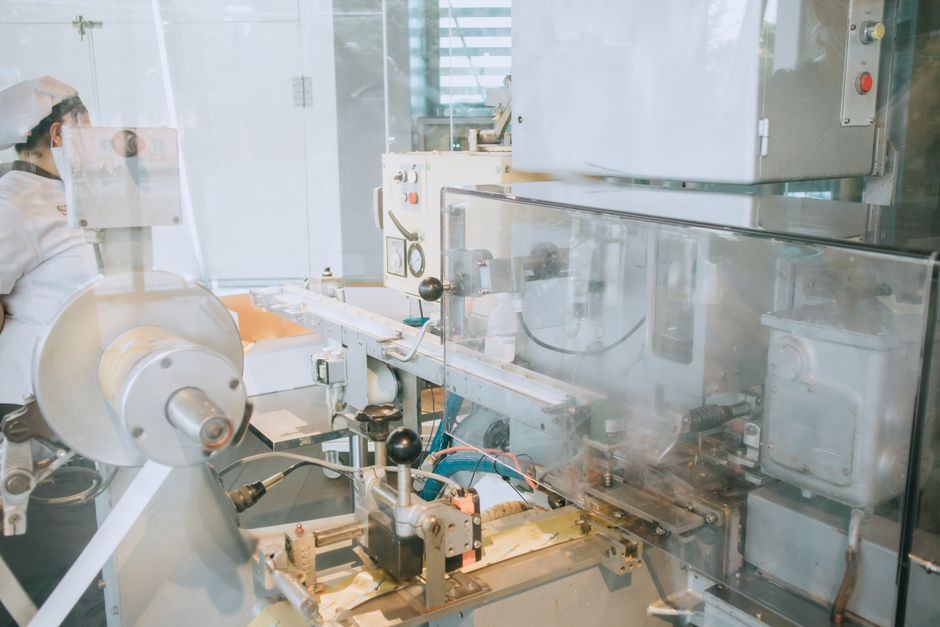
Industrial automation suppliers serve as vital partners in the journey towards modernization and efficiency. They provide a range of products and services, from robotics and control systems to software solutions that streamline processes. By automating repetitive tasks, organizations can free up human resources for more strategic activities. For instance, a manufacturer might implement robotic arms for assembly lines, resulting in increased speed and precision.
Moreover, these suppliers not only sell products but also offer consultancy services to help businesses identify areas for automation. Through in-depth analysis, they can recommend tailored solutions that align with a company’s specific needs and goals. This collaborative approach ensures that automation efforts are effective and yield the desired outcomes.
As industries become more interconnected, the role of industrial automation suppliers extends beyond mere equipment provisioning. They act as enablers of digital transformation, helping companies integrate IoT (Internet of Things) devices into their operations. By doing so, they provide businesses with real-time data and insights that enhance decision-making processes.
Types of Solutions Offered by Automation Suppliers
Industrial automation suppliers offer a wide array of solutions that cater to various sectors. Some of the most common products include programmable logic controllers (PLCs), sensors, and industrial robots. For example, PLCs are essential for automating machinery, allowing for precise control over manufacturing processes.
In addition to hardware, many suppliers provide sophisticated software solutions. These software programs can manage everything from supply chain logistics to quality control systems. A notable example is the implementation of enterprise resource planning (ERP) software, which integrates all facets of an operation, including planning, development, sales, and marketing.
Furthermore, the rise of artificial intelligence (AI) and machine learning has transformed the landscape of industrial automation. Suppliers are now incorporating these advanced technologies into their offerings, enabling predictive maintenance and process optimization. For instance, AI-driven analytics can forecast equipment failures before they occur, reducing downtime and maintenance costs.
Choosing the Right Industrial Automation Supplier
Selecting the right industrial automation supplier is crucial for a successful automation strategy. Companies should consider several factors, including the supplier’s expertise in the specific industry, the quality of their products, and the level of customer support they provide. A supplier with a proven track record in your industry can offer valuable insights and solutions tailored to your unique challenges.
Additionally, it’s essential to assess the scalability of the solutions provided. As businesses grow, their automation needs may evolve, and having a supplier that can adapt to these changes is beneficial. This adaptability ensures that companies do not need to switch suppliers frequently, which can be disruptive and costly.
Lastly, evaluating the supplier’s commitment to innovation is vital. The industrial automation landscape is constantly changing, and suppliers who invest in research and development are more likely to offer cutting-edge solutions that keep businesses competitive. Engaging with a reliable industrial automation supplier can pave the way for future growth and efficiency.
Case Studies of Successful Automation Implementations
To illustrate the impact of industrial automation, consider the case of a leading automotive manufacturer that partnered with an automation supplier to revamp their assembly line. By implementing advanced robotics and AI-driven quality control systems, the manufacturer increased production efficiency by 30% while also reducing defect rates significantly.
Another example involves a food processing plant that utilized automation solutions to streamline packaging operations. By integrating automated conveyors and robotic pick-and-place systems, the plant reduced labor costs by 25% and improved overall operational speed. Such success stories highlight the tangible benefits that can be achieved through strategic partnerships with industrial automation suppliers.
The Future of Industrial Automation
The future of industrial automation is promising, with ongoing advancements in technology paving the way for even greater efficiencies. Trends such as collaborative robots (cobots) and enhanced data analytics are set to redefine how industries operate. Cobots, designed to work alongside human workers, enable companies to automate tasks without compromising safety or productivity.
Moreover, the integration of 5G technology is expected to revolutionize industrial automation by providing faster and more reliable connectivity. This enhanced connectivity will enable real-time data sharing and analysis, leading to more informed decision-making and improved operational agility.
As businesses continue to explore the potential of automation, collaboration with capable industrial automation suppliers will remain essential. By harnessing the expertise and innovative solutions offered by these suppliers, companies can position themselves for success in an increasingly automated world.
Conclusion
In conclusion, industrial automation suppliers play a pivotal role in transforming industries through innovative solutions and technologies. By providing essential products and services, they enable businesses to enhance efficiency, reduce costs, and improve overall competitiveness. As companies navigate the complexities of modernization, choosing the right supplier becomes crucial for achieving long-term success. The continuous evolution of technology promises exciting opportunities for those willing to embrace automation, making it an essential aspect of future business strategies.