
 By Jordan Coleman
 In recent years, the way we purchase concert tickets has seen a dramatic transformation. Gone are the days when fans had to stand in long lines at box offices or rely on traditional methods of securing tickets. With the rise of technology, concert ticketing platforms have emerged as a powerful tool for both fans and event organizers. This article explores the current landscape of concert ticketing platforms, their technological advancements, and what the future holds for ticket sales in the music industry.
The Evolution of Ticket Sales
Historically, concert ticket sales were primarily handled through physical venues or box offices. However, as the internet began to permeate daily life in the late 1990s, online ticketing started to gain traction. Platforms like Ticketmaster paved the way for digital sales, offering fans the convenience of purchasing tickets from their homes. According to recent statistics, over 70% of concert tickets are now sold online, highlighting a significant shift in consumer behavior.
With this evolution came new challenges, including issues of fraud and scalping. As demand for popular events soared, so did the prevalence of counterfeit tickets and unethical reselling practices. This is where modern concert ticketing platforms have made strides, utilizing technology to provide secure transactions and fair pricing models.
Technological Innovations in Ticketing
Today’s concert ticketing platforms are leveraging advanced technologies to improve the ticket purchasing experience. One of the most significant innovations is the integration of blockchain technology. By using blockchain, platforms can create a transparent and tamper-proof system for ticket sales, drastically reducing the chances of fraud.
Additionally, mobile ticketing has become a standard feature. Fans can now store their tickets on their smartphones, eliminating the need for physical copies. This not only enhances convenience but also allows for easier entry into venues through QR codes and NFC technology.
Moreover, data analytics is playing a crucial role in understanding consumer behavior. Concert ticketing platforms can track purchasing patterns, allowing promoters and artists to tailor their marketing strategies effectively. For instance, by analyzing data, they can identify peak purchasing times or popular seating preferences, leading to more effective sales strategies.
The Role of Social Media and Marketing
Social media is another powerful tool that concert ticketing platforms are harnessing. Platforms like Instagram and Facebook have become essential for promoting events and driving ticket sales. By leveraging targeted advertisements and influencer partnerships, ticketing platforms can reach a broader audience and engage potential concert-goers.
Additionally, many platforms now offer presale opportunities for loyal fans, creating a sense of exclusivity and urgency. For example, users who sign up for newsletters or follow social media accounts may receive early access to tickets, encouraging fan engagement and loyalty.
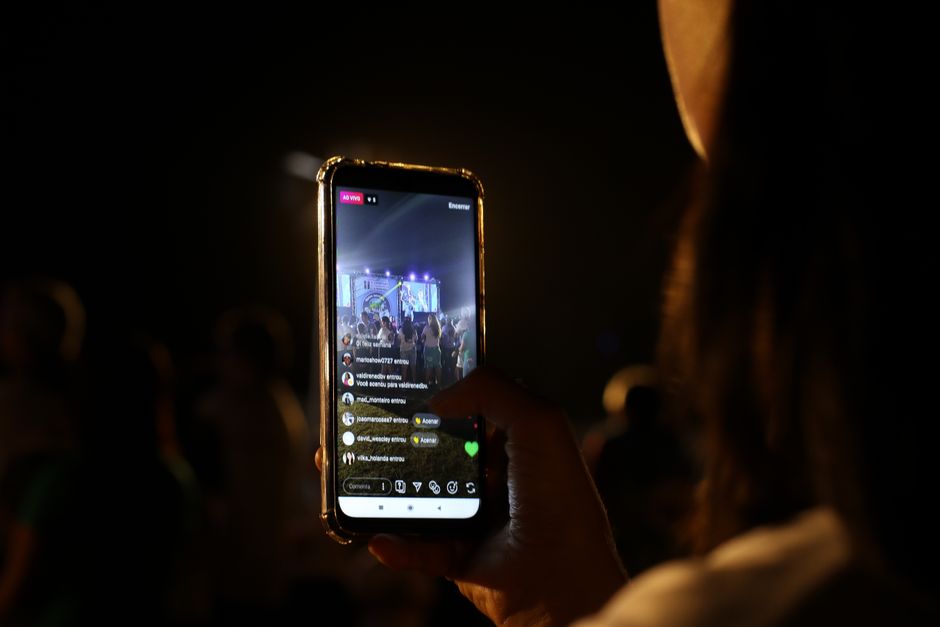
Moreover, user-generated content has become a vital aspect of marketing. Fans sharing their concert experiences on social media can serve as organic advertising for upcoming events, prompting their followers to purchase tickets. This grassroots approach to marketing is proving to be highly effective in driving ticket sales.
The Challenges Ahead
While the concert ticketing industry is thriving, it is not without its challenges. One of the most pressing issues is the ongoing battle against scalpers and bots that purchase large quantities of tickets to resell at inflated prices. To combat this, many platforms are implementing advanced algorithms designed to detect and block bot activity.
Furthermore, as the market becomes increasingly saturated with various ticketing platforms, standing out becomes essential. Companies must continuously innovate and improve their user experience to maintain competitive advantages. This includes enhancing mobile applications, streamlining the purchase process, and offering superior customer service.
The Future of Concert Ticketing Platforms
The future of concert ticketing platforms is bright, with numerous opportunities for growth and innovation. As technology continues to advance, we can expect to see even more integration of AI and machine learning, which will further personalize the ticket purchasing experience.
Additionally, as the live music industry recovers from the pandemic’s impact, there is a renewed focus on creating safe and enjoyable experiences for fans. This includes implementing health and safety measures at events and exploring hybrid concert formats that allow for both in-person and virtual attendance.
As we look ahead, the role of concert ticketing platforms will only grow in importance, serving as a bridge between artists and fans. Companies like concert ticketing platform are paving the way for a more streamlined, secure, and enjoyable ticket purchasing experience, ensuring that fans can easily access the live music events they love.
Conclusion
In conclusion, the concert ticketing landscape is undergoing a significant transformation driven by technological advancements and changing consumer behaviors. As more fans turn to digital platforms for their ticketing needs, the importance of innovation and security becomes paramount. By embracing new technologies and marketing strategies, concert ticketing platforms can not only enhance the fan experience but also combat challenges such as fraud and scalping. The future looks promising for this industry, as it continues to evolve and adapt to the needs of music lovers everywhere.