
 By Jordan Coleman
 The concert industry has undergone a significant transformation over the last decade, particularly in the way fans purchase tickets. With the rise of technology and the internet, traditional ticketing methods have given way to innovative online platforms that cater to the needs of both event organizers and attendees. In this article, we will explore the various concert ticketing platforms available today, their features, and how they are shaping the future of live entertainment.
Understanding Concert Ticketing Platforms
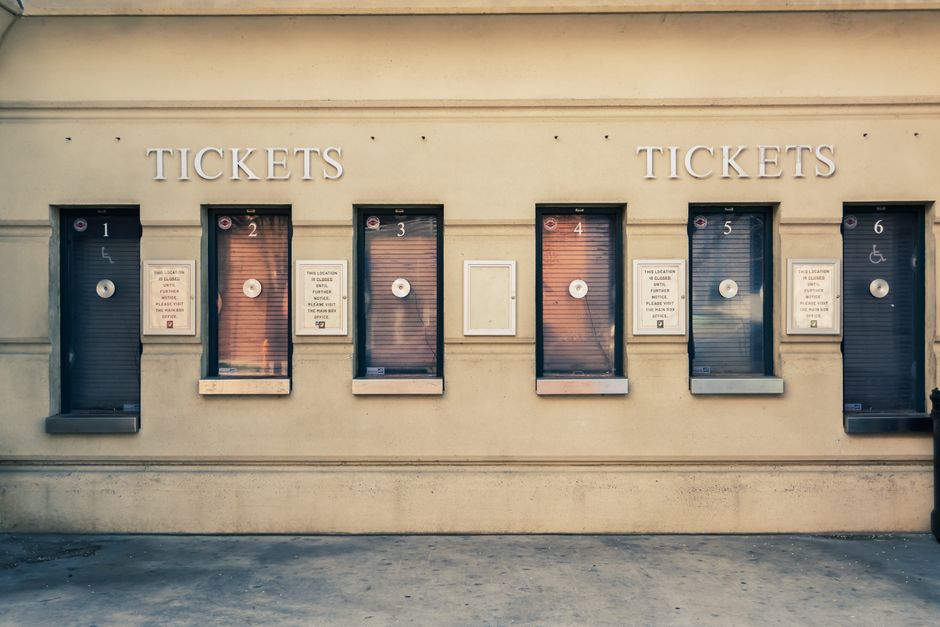
Concert ticketing platforms are digital services that allow users to buy and sell tickets for live events, such as concerts, festivals, and theater performances. These platforms streamline the ticket purchasing process, making it easier for fans to secure their spots at events they are passionate about.
Traditionally, fans would have to queue at physical box offices or rely on phone bookings. However, with the advent of concert ticketing platforms, users can browse available events, compare prices, and purchase tickets from the comfort of their own homes. This convenience has driven the popularity of online ticketing, leading to the emergence of various platforms competing for market share.
Key Features of Modern Ticketing Platforms
Modern concert ticketing platforms offer a plethora of features designed to enhance user experience. One common feature is the ability to select specific seats within a venue. This allows fans to choose their preferred location, ensuring they have the best view of their favorite artists.
Additionally, many platforms integrate social media sharing options, enabling users to invite friends and share their event plans easily. Another significant feature is mobile ticketing, which allows users to store their tickets on their smartphones, reducing the risk of losing physical tickets.
Moreover, platforms often include interactive seating charts and real-time availability updates, providing users with all the necessary information at their fingertips. Some platforms even offer loyalty programs, rewarding frequent buyers with discounts or exclusive access to pre-sales.
Popular Concert Ticketing Platforms
There are numerous concert ticketing platforms available today, each with its unique features and benefits. Some of the most popular include Ticketmaster, StubHub, and concert ticketing platform SeatGeek. Ticketmaster, known for its extensive inventory, has a strong presence in the industry, often serving as the primary ticket seller for major events.
StubHub, on the other hand, operates as a resale marketplace, allowing fans to buy and sell tickets for events that may be sold out on primary platforms. This flexibility is appealing for those looking to secure tickets to high-demand shows.
SeatGeek has gained popularity for its user-friendly interface and price comparison features, helping users find the best deals available. Each platform has its strengths, and fans should consider their preferences and needs when choosing where to purchase tickets.
The Impact of Technology on Ticketing
Technology has profoundly influenced the concert ticketing landscape. The rise of mobile apps has made it easier for fans to access ticketing services on the go. These apps often provide personalized recommendations based on users’ music preferences and location.
Furthermore, the integration of blockchain technology is beginning to reshape the ticketing industry. Blockchain can enhance security, reduce fraud, and ensure transparency in ticket transactions. This technology could revolutionize how tickets are issued and transferred, making the process more efficient and trustworthy.
The COVID-19 pandemic has also accelerated the adoption of digital ticketing solutions, as many events shifted to virtual formats. As live events return, the lessons learned from this period will likely influence future ticketing practices, emphasizing the importance of flexibility and user experience.
Challenges in the Concert Ticketing Industry
Despite the advancements in concert ticketing platforms, challenges remain. One significant issue is ticket scalping, where individuals or bots purchase large quantities of tickets to resell them at inflated prices. This practice can frustrate genuine fans who are unable to secure tickets at face value.
Additionally, technical glitches during high-demand ticket sales can lead to frustration and disappointment. Users often face long wait times or are unable to complete transactions, which can tarnish their experience.
To combat these issues, concert ticketing platforms are implementing stricter security measures and developing better algorithms to detect and prevent scalping. Ensuring a fair ticketing process for fans is essential for maintaining trust in these platforms.
Conclusion: The Future of Concert Ticketing
The landscape of concert ticketing platforms continues to evolve, driven by technological advancements and changing consumer preferences. As the industry adapts to the challenges it faces, the focus will remain on enhancing user experience and ensuring fair access to tickets.
With a variety of platforms to choose from, fans have more options than ever for securing their spots at live events. As we look to the future, it is clear that concert ticketing will become even more integrated with technology, offering exciting new possibilities for both fans and artists alike.