
 By Jordan Coleman
 In recent years, the landscape of concert ticketing platforms has evolved dramatically, driven by technological advancements and changing consumer preferences. From the traditional box office to online ticketing, the way we purchase tickets for live events has undergone a significant transformation. This article delves into the intricacies of concert ticketing platforms, their impact on the music industry, and the future trends that are shaping this vibrant sector.
The Evolution of Ticketing Platforms
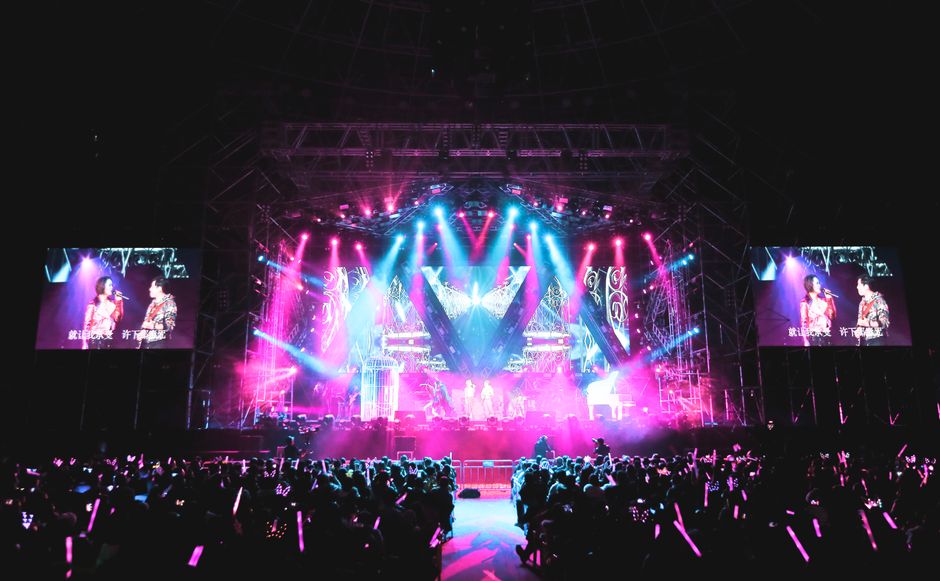
The journey of concert ticketing platforms began with physical ticket sales at venues and box offices, which often resulted in long lines and limited accessibility. However, with the rise of the internet, the ticketing industry saw a shift toward online platforms. In the early 2000s, sites like Ticketmaster became household names, allowing users to purchase tickets from the comfort of their homes.
Today, the landscape is populated with various online ticketing platforms, each offering unique features and benefits. These platforms not only streamline the purchasing process but also provide users with valuable information such as seat availability, pricing options, and even secondary market opportunities. This democratization of ticket sales has made it easier for fans to access their favorite events.
Current Trends in Concert Ticketing
As we navigate through 2023, several trends are reshaping the concert ticketing industry. One notable trend is the rise of mobile ticketing. With the increasing adoption of smartphones, many platforms now offer mobile apps that allow users to purchase, store, and present their tickets digitally. This shift not only enhances convenience for users but also helps reduce the risk of fraud associated with physical tickets.
Moreover, the integration of social media into ticketing platforms has become a game-changer. Fans can now share events with their friends, creating a more engaging and collaborative experience. Platforms that allow users to see which of their friends are attending a particular concert can drive higher attendance rates, as social connections play a significant role in event participation.
The Role of Data Analytics
Data analytics is another crucial component of modern concert ticketing platforms. By analyzing consumer behavior and preferences, these platforms can offer personalized recommendations and targeted marketing strategies. For instance, if a user frequently purchases tickets for rock concerts, the platform can suggest upcoming events in that genre, enhancing the likelihood of a sale.
Additionally, data analytics allows organizers to optimize pricing strategies. Dynamic pricing, which adjusts ticket prices based on demand, has become a popular approach. This method not only maximizes revenue for concert organizers but also ensures that fans have access to a range of pricing options, catering to different budgets.
Challenges Facing Ticketing Platforms
Despite the advancements in concert ticketing platforms, several challenges remain. One of the most pressing issues is ticket scalping, where individuals purchase tickets in bulk and resell them at inflated prices. This practice not only frustrates genuine fans but also undermines the integrity of the ticketing system.
To combat this, many platforms are implementing measures such as verified fan programs and strict purchase limits to ensure that tickets reach actual attendees rather than scalpers. These initiatives aim to create a fairer ticketing ecosystem, fostering trust between fans and providers.
The Future of Concert Ticketing Platforms
Looking ahead, the future of concert ticketing platforms appears bright. We can expect to see further advancements in technology, including the integration of virtual reality (VR) and augmented reality (AR) experiences. These technologies can transform how fans engage with events, offering immersive experiences that go beyond traditional ticketing.
Moreover, the emergence of blockchain technology holds the potential to revolutionize ticketing through enhanced security and transparency. By utilizing blockchain, platforms can create a tamper-proof record of ticket ownership, significantly reducing fraud and ensuring that fans receive legitimate tickets.
In conclusion, the concert ticketing platform landscape is continually evolving, driven by technological innovations and changing consumer behaviors. As these platforms adapt to meet the needs of fans, they will play a crucial role in shaping the future of live events. For those looking to explore the best options available, a reliable concert ticketing platform can enhance the experience of attending live performances, making it more accessible and enjoyable for everyone.