
 By Jordan Coleman
 When it comes to the success of a restaurant, the interior design plays a pivotal role. Not only does it create an inviting atmosphere for customers, but it also reflects the brand’s identity and can significantly influence dining experiences. From color schemes to furniture choices, every detail matters.
The Importance of First Impressions
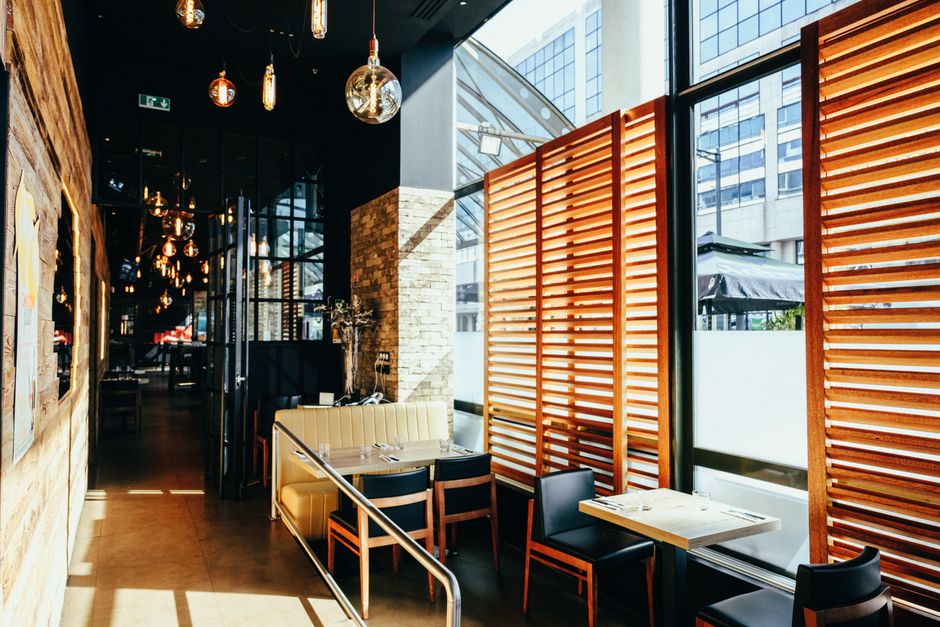
Studies show that customers often form their opinions about a restaurant within the first few minutes of entering. The interior design is crucial in making a positive first impression. Elements like lighting, layout, and decor all contribute to how potential diners perceive the establishment. For instance, a well-lit space with comfortable seating can encourage patrons to stay longer and spend more.
Moreover, the alignment of the design with the restaurant’s theme enhances the overall experience. For example, a rustic Italian eatery might feature wooden beams and warm colors, while a modern sushi restaurant may opt for sleek lines and minimalist decor.
Key Elements of Restaurant Interior Design
There are several essential elements that should be considered in restaurant interior design. One of the most critical is the layout. A well-thought-out layout facilitates a smooth flow for both customers and staff. This includes the placement of tables, the bar area, and kitchen access. A poor layout can lead to bottlenecks and dissatisfaction, affecting service quality.
Another crucial element is furniture selection. Comfortable, yet stylish furniture can make a significant difference in customer satisfaction. For instance, upholstered chairs can provide comfort for longer dining experiences, while tables should be appropriately sized to encourage conversation without feeling cramped.
Color Schemes and Lighting
Color schemes can evoke emotions and set the mood for the dining experience. Warm colors like reds and yellows can stimulate appetite, while cooler tones like blues and greens can create a calming atmosphere. It’s essential to choose colors that align with the restaurant’s brand identity.
Additionally, lighting plays a significant role in creating ambiance. Dim lighting can create an intimate dining experience, perfect for date nights, while brighter lighting can be more suitable for family-friendly establishments. Layered lighting, which includes ambient, task, and accent lighting, can enhance the overall design and functionality of the space.
Incorporating Technology
As technology continues to evolve, its integration into restaurant design becomes increasingly important. Features such as digital menus and self-ordering kiosks can streamline the dining experience and reduce wait times. Additionally, ambient technology like sound systems can enhance the overall atmosphere.
Moreover, incorporating social media-friendly design elements, such as visually appealing backdrops or unique decor pieces, can encourage customers to share their experiences online, further promoting the restaurant.
Case Studies: Successful Restaurant Designs
Looking at successful restaurant designs can provide valuable insights into effective restaurant interior design strategies. For example, the renowned restaurant Blue Hill at Stone Barns in New York integrates natural elements with a rustic charm, creating a welcoming atmosphere that reflects its farm-to-table philosophy.
Similarly, the Hard Rock Cafe uses memorabilia and rock-and-roll themes to create an energetic environment that resonates with its target audience. Such examples highlight the importance of aligning design with the brand’s identity and customer expectations.
In the same vein, implementing unique design features, such as a focal point wall or an open kitchen concept, can significantly enhance the dining experience.
Conclusion
In conclusion, restaurant interior design is an intricate blend of art and functionality. Understanding the importance of first impressions, key elements like layout and furniture, as well as color schemes and technology, can lead to a successful dining establishment. As the industry continues to evolve, staying updated on design trends and customer preferences will be critical. For more comprehensive insights on restaurant interior design, it is essential to analyze successful case studies and continually adapt to the changing landscape of the restaurant industry.