
 By Jordan Coleman
 When it comes to dining, the experience is not solely defined by the food served but also significantly impacted by the atmosphere surrounding it. Restaurant interior design plays a crucial role in shaping customer perceptions and enhancing the overall dining experience. From color schemes to furniture choices, every detail contributes to the ambiance of a restaurant, influencing whether customers feel relaxed or energized.
Understanding the Importance of Interior Design
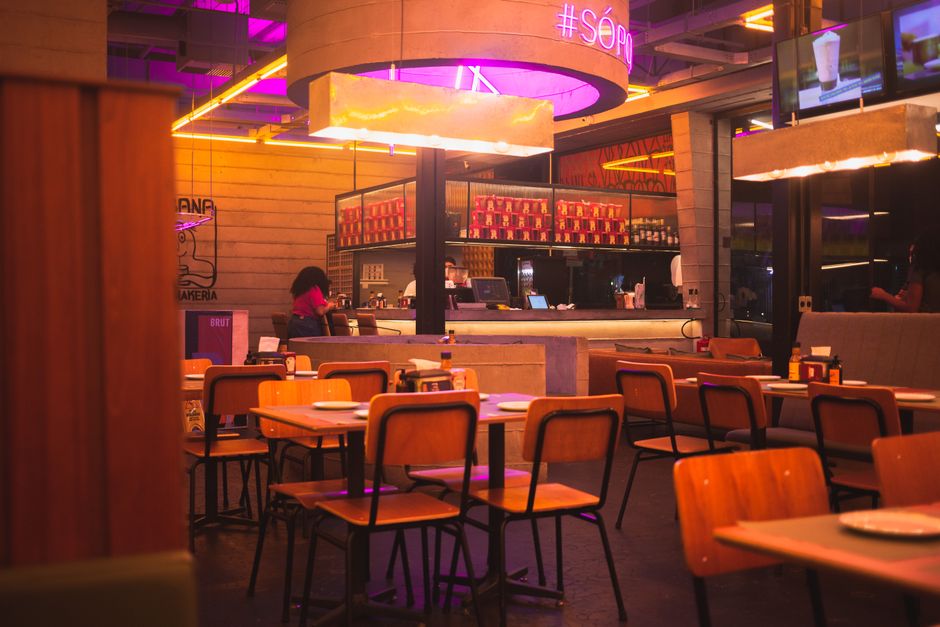
Interior design is more than just aesthetics; it is a strategic approach to creating spaces that align with a restaurant’s brand identity and target audience. A well-thought-out interior can evoke emotions, encourage social interactions, and ultimately drive customer retention. For instance, a fine dining restaurant may opt for a sophisticated, muted color palette and luxurious furnishings to create an elegant atmosphere, while a casual eatery might choose vibrant colors and eclectic decorations to convey a fun, laid-back vibe.
Research indicates that well-designed environments can enhance customer satisfaction and increase the time spent in a restaurant. According to a survey conducted by the Restaurant Association, 60% of diners claim that the decor of a restaurant influences their decision to revisit. Therefore, investing in thoughtful interior design is not merely an expense but a worthy investment that can yield substantial returns.
Key Elements of Restaurant Interior Design
Several key elements must be considered when designing a restaurant’s interior. First and foremost is the layout, which should facilitate smooth traffic flow while maximizing seating capacity. An effective layout not only enhances customer comfort but also improves operational efficiency for staff.
Next, lighting is an essential component that can dramatically influence the mood of the space. Soft, warm lighting can create an intimate setting, while bright, white lighting may energize the ambiance. Additionally, the choice of furniture, including seating arrangements and table sizes, should complement the restaurant’s theme and ensure functionality.
Another critical aspect is the use of color and texture. Colors can evoke specific feelings; for example, red can stimulate appetite, while blue tends to suppress it. Incorporating various textures through materials like wood, metal, and textiles can add depth to the design, making it visually appealing.
Trends in Restaurant Interior Design
Staying updated with the latest trends in restaurant interior design is vital for attracting modern diners. One prominent trend is the incorporation of sustainable and eco-friendly materials. With increasing awareness of environmental issues, many restaurants are opting for reclaimed wood, bamboo, and recycled materials in their designs.
Additionally, the concept of open kitchens is gaining popularity, allowing diners to witness the culinary process firsthand, thus enhancing their dining experience. This transparency fosters a sense of trust and connection between chefs and customers.
Furthermore, the rise of technology in interior design cannot be overlooked. Smart lighting systems, digital menus, and interactive displays are becoming commonplace, offering a unique and engaging experience for diners. These innovations not only enhance convenience but also create a modern atmosphere that appeals to tech-savvy customers.
Case Studies: Successful Restaurant Designs
Several restaurants have successfully leveraged interior design to create memorable dining experiences. For instance, a well-known Italian restaurant in New York City utilized rustic design elements, such as exposed brick walls and wooden beams, to evoke a sense of authenticity and tradition. This design choice resonated well with its target audience, resulting in a loyal customer base.
In contrast, a trendy sushi bar in Los Angeles opted for a minimalist design characterized by clean lines and a monochromatic color scheme. This approach emphasized the artistry of the food while creating a serene and uncluttered dining environment. The carefully curated design not only attracted food enthusiasts but also elevated the overall dining experience.
These case studies illustrate that effective restaurant interior design can create a distinct identity that resonates with customers, ultimately driving success.
Conclusion: The Future of Restaurant Interior Design
As the restaurant industry continues to evolve, the importance of interior design will only increase. Restaurateurs must remain adaptable, embracing new trends and technologies while staying true to their brand identity. The fusion of aesthetics and functionality will be key in creating spaces that not only attract customers but also foster loyalty.
The art of restaurant interior design is a dynamic field that requires creativity, strategic thinking, and a deep understanding of customer preferences. By investing in thoughtful and innovative designs, restaurant owners can ensure a memorable dining experience that keeps customers coming back for more. For further inspiration and insights into contemporary restaurant interior design, exploring professional resources and design studios can offer valuable guidance.