
 By Jordan Coleman
 In today’s competitive dining landscape, the ambiance of a restaurant plays a crucial role in attracting customers and creating memorable experiences. Restaurant interior design is not just about aesthetics; it’s about crafting a space that resonates with the brand’s identity and enhances the overall dining experience. In this article, we will explore the essential elements of effective restaurant interior design, the latest trends, and practical tips for creating captivating environments.
Understanding the Basics of Restaurant Interior Design
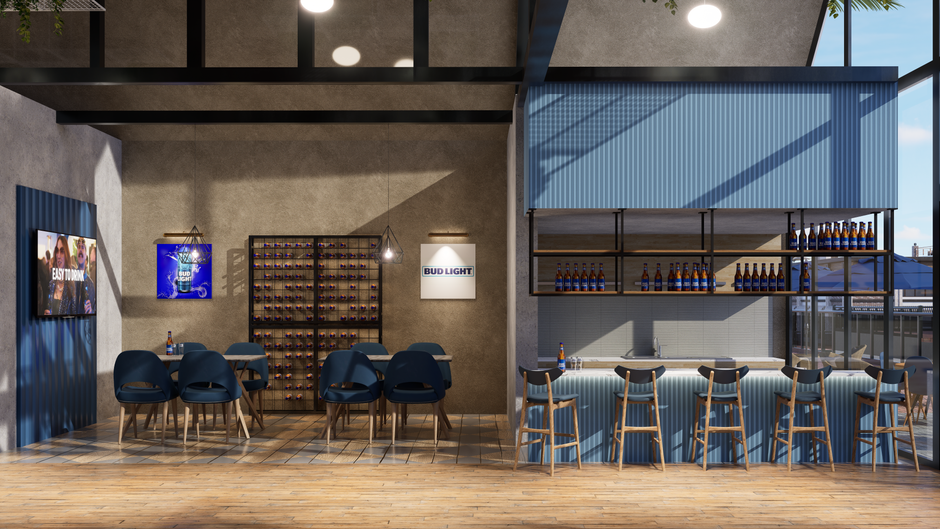
Restaurant interior design encompasses various aspects, including layout, color schemes, furniture selection, and lighting. One of the first steps in the design process is defining the concept of the restaurant. Are you aiming for a casual dining experience, a fine dining atmosphere, or perhaps a themed eatery? The concept will significantly influence every design decision.
For instance, a fine dining restaurant may opt for elegant furnishings and subdued lighting to create a sophisticated atmosphere, while a casual eatery might focus on bright colors and comfortable seating. Understanding your target demographic is vital, as their preferences will dictate the design choices and overall ambiance.
Color Schemes and Their Impact
Color psychology plays a significant role in restaurant interior design. Different colors evoke various emotions and behaviors. Warm colors like red and orange can stimulate appetite and create a lively atmosphere, making them popular choices for fast-food chains and casual dining establishments. On the other hand, cool colors like blue and green are often associated with calmness and can be used in fine dining settings to create a more relaxed environment.
Incorporating a color palette that aligns with the restaurant’s theme is essential. For example, a Mediterranean restaurant might utilize earthy tones and vibrant blues to reflect its coastal roots, while a modern steakhouse may choose a monochromatic palette with dark woods and metallic accents. The right color scheme can enhance the dining experience and reinforce the restaurant’s brand identity.
Furniture and Layout Considerations
Furniture selection and layout are critical components of restaurant interior design. The arrangement of tables and chairs should facilitate easy movement for both guests and staff while maximizing the available space. Creating distinct dining zones can also enhance the overall experience, allowing for both intimate dining and larger group gatherings.
When selecting furniture, comfort should never be compromised. Patrons are more likely to enjoy their meal and stay longer in a comfortable setting. Unique and stylish furniture can also serve as a statement piece, contributing to the overall aesthetic of the restaurant. Additionally, incorporating elements such as booths, communal tables, or outdoor seating can diversify the dining experience and attract a wider audience.
Lighting: Setting the Mood
Effective lighting is a crucial aspect of restaurant interior design that can dramatically alter the ambiance of a space. Natural light is always a plus, but artificial lighting should be carefully considered to create the desired mood. Soft, warm lighting can evoke a cozy and inviting atmosphere, while brighter lights can energize the space.
Layered lighting, which involves using a combination of ambient, task, and accent lighting, can enhance both functionality and aesthetics. For example, pendant lights above tables can create intimate dining spots, while wall sconces can add depth and texture to the overall design. Thoughtful lighting design not only improves visibility but also enhances the restaurant’s overall theme and brand identity.
Embracing Trends and Sustainability
As consumer preferences shift, staying updated with the latest trends in restaurant interior design is essential. Sustainability has become a significant focus for many businesses, leading to the incorporation of eco-friendly materials and practices in design. This not only appeals to environmentally conscious diners but also helps reduce operational costs in the long run.
Incorporating biophilic design elements, such as indoor plants or natural materials, can create a calming atmosphere and enhance air quality. Additionally, open kitchens and transparent design choices can create a sense of trust and engagement with customers. Embracing technology, such as smart lighting and efficient HVAC systems, can further enhance the dining experience while promoting sustainability.
Conclusion
In conclusion, restaurant interior design is a multifaceted discipline that requires a keen understanding of the brand, target audience, and current trends. By thoughtfully considering elements such as color, furniture, layout, and lighting, restaurant owners can create spaces that not only attract customers but also foster memorable dining experiences. As the industry continues to evolve, staying informed about innovative designs and sustainable practices will be vital for success. For more insights on restaurant interior design, exploring expert resources and case studies can provide valuable inspiration and guidance.