
 By Jordan Coleman
 In an era where online privacy and security have become paramount, Virtual Private Networks (VPNs) have surged in popularity. These services provide users with the ability to browse the internet anonymously, circumvent geo-restrictions, and protect sensitive data from prying eyes. But what exactly is a VPN, and how can it enhance your online experience? In this article, we will explore the fundamentals of VPN services, their benefits, and what to look for when choosing the right one.
Understanding VPN Services
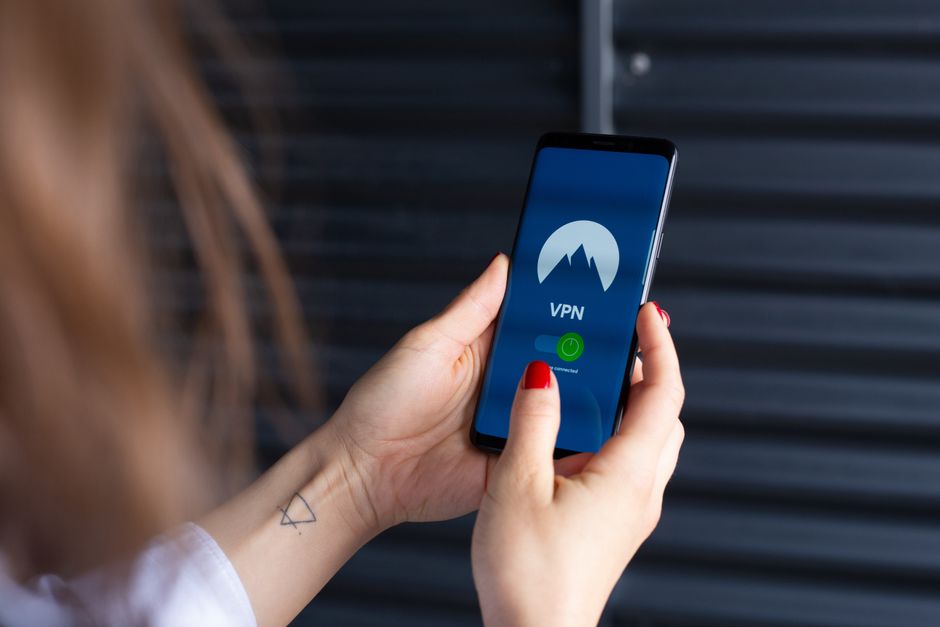
A VPN, or Virtual Private Network, is a technology that creates a secure and encrypted connection between your device and the internet. This connection allows you to send and receive data as if you were directly connected to a private network, effectively masking your IP address and enhancing your online privacy. The basic function of a VPN service is to route your internet traffic through a server located in a different location, which can be in another city or even another country.
When you connect to a VPN, your internet traffic is first encrypted, which means that even if someone intercepts this data, they won’t be able to read it. This feature is especially crucial when using public Wi-Fi networks, which are often less secure. As more people work remotely and rely on public internet connections, the demand for secure VPN services has increased.
Moreover, VPNs can bypass geographical restrictions placed on content by various streaming services. For instance, if you wish to access a video that is only available in a specific country, a VPN can make it appear as if you are browsing from that location. This capability has made VPNs a popular choice for streaming enthusiasts.
The Benefits of Using a VPN
One of the primary benefits of using a VPN service is enhanced online privacy. With the rise of data breaches and cyberattacks, protecting your personal information has never been more critical. VPNs hide your IP address, making it challenging for advertisers, hackers, and even your Internet Service Provider (ISP) to track your online activities.
Additionally, VPNs are invaluable for users who travel frequently. Many countries impose strict regulations on internet usage, and some websites may be completely inaccessible. By using a VPN, travelers can connect to servers in their home country, allowing them to access familiar content without restrictions.
Another significant advantage is the potential for improved security. VPN services encrypt your internet connection, which can protect you from various cyber threats. This is particularly useful when accessing sensitive information, such as banking details or personal emails, over unsecured networks.
Choosing the Right VPN Service
With an overwhelming number of VPN services available, choosing the right one can be daunting. Here are a few key factors to consider when selecting a VPN:
1. Security Protocols: Look for providers that offer strong encryption protocols such as OpenVPN or IKEv2. These protocols ensure that your data remains secure while in transit.
2. Server Locations: A wider range of server locations allows for better access to geo-restricted content. Ensure that the VPN service you choose has servers in countries where you frequently wish to connect.
3. Speed and Performance: While encryption is essential, it can sometimes slow down your connection. Choose a VPN known for maintaining high-speed connections to minimize buffering and lag, especially for streaming.
4. Logging Policy: Be sure to read the VPN’s privacy policy. Opt for services that have a strict no-logs policy, meaning they do not store any data regarding your online activities.
5. Cost and Subscription Plans: Finally, consider your budget. While there are free VPN services available, they often come with limitations. Paid services usually offer better security features, faster speeds, and more reliable connections.
For those looking for a comprehensive overview of top-rated options, checking out a reputable source for the best VPN services can provide valuable insights. For instance, you can explore VPN service comparisons to help inform your decision.
Common Misconceptions About VPNs
Despite their growing popularity, several misconceptions about VPNs persist. One common belief is that VPNs are illegal. In reality, while some countries restrict or ban VPN usage, they are legal in most parts of the world. Users should always check the local laws regarding VPN use in their country.
Another misconception is that VPNs guarantee complete anonymity online. While they significantly enhance privacy, they do not make you completely anonymous. Users should still exercise caution when sharing personal information online.
Lastly, many people assume that using a free VPN is sufficient for their needs. However, free VPNs often come with limitations, such as slower speeds, fewer server options, and potential data logging. Investing in a reputable paid VPN service is typically a more reliable choice.
Conclusion: Navigating the Digital Landscape with VPNs
In an increasingly interconnected world, protecting your online privacy and security is of utmost importance. VPN services offer a practical solution for individuals seeking to safeguard their data and access content from around the globe. By understanding how VPNs work, their benefits, and what to look for when selecting one, you can make informed decisions that enhance your online experience. As you navigate the digital landscape, a reliable VPN can be your best ally in maintaining privacy and security.