
 By Jordan Coleman
 Cardiopulmonary Resuscitation (CPR) is a critical skill that can mean the difference between life and death in emergencies. Whether it’s a sudden cardiac arrest, drowning, or other life-threatening situations, knowing how to perform CPR can save lives. In this article, we will explore the importance of CPR, its techniques, and how to get trained effectively.
The Importance of CPR Training
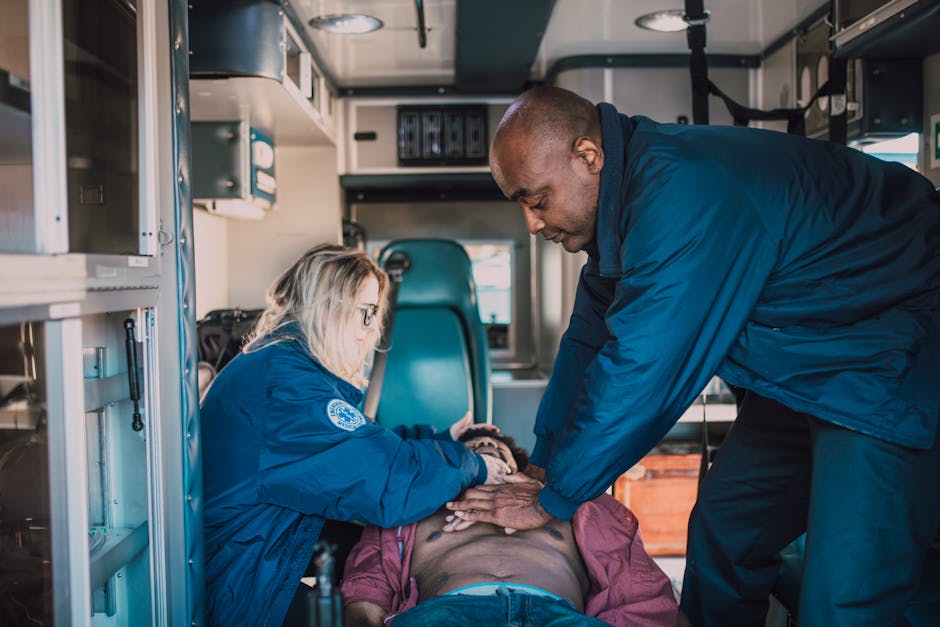
CPR is not just a technique; it is a vital response that can significantly increase a person’s chances of survival. According to the American Heart Association, immediate CPR can double or triple the chances of survival after cardiac arrest. Despite this, many people lack the knowledge or confidence to perform CPR when necessary.
Statistics reveal that about 70% of cardiac arrests occur at home, which means that many bystanders have the opportunity to act and potentially save a loved one. Yet, only 46% of people who experience an out-of-hospital cardiac arrest receive the immediate help they need before professional help arrives. This gap highlights the critical need for widespread CPR training.
Moreover, CPR training empowers individuals to act in emergencies, reducing hesitation that can result from a lack of knowledge. This empowerment can encourage more people to take action, potentially saving lives.
How CPR Works
CPR involves a combination of chest compressions and rescue breaths, aimed at maintaining blood flow to the brain and vital organs until professional help arrives. The basic steps of CPR can be summarized as follows:
1. **Assess the situation**: Ensure the scene is safe and check for responsiveness.
2. **Call for help**: Dial emergency services immediately.
3. **Begin chest compressions**: Position your hands in the center of the chest and push down hard and fast, at a rate of 100 to 120 compressions per minute.
4. **Provide rescue breaths**: After every 30 compressions, give two rescue breaths if trained to do so. This helps to provide oxygen to the person’s lungs.
The goal is to keep the blood circulating and oxygenated until more advanced medical care is available.
Common Myths About CPR
There are several misconceptions surrounding CPR that can deter individuals from learning or performing it. One common myth is that you should only perform CPR if you are trained. In reality, any attempt at CPR is better than no attempt at all. Even hands-only CPR, which involves only chest compressions, can be effective in many situations.
Another myth is that performing CPR can cause harm or injury to the victim. While it is possible for ribs to break during compressions, the risk of not performing CPR far outweighs this concern. The priority should always be to attempt to save a life.
Lastly, many believe that CPR is only necessary for adults. In truth, children and infants can also require CPR, and the techniques vary slightly for different age groups. Training programs typically cover these differences, ensuring that participants are well-prepared for any situation.
Finding CPR Training Courses
To become proficient in CPR, enrolling in a certified training course is essential. Many organizations, including the American Red Cross and the American Heart Association, offer courses that cover the latest guidelines and techniques. These courses often include hands-on practice and scenarios to build confidence.
If you’re located in Stockholm and seeking a comprehensive training program, consider attending an HLR kurs Stockholm. Such courses not only teach CPR but also cover first aid and how to respond to choking emergencies.
Additionally, many workplaces, schools, and community centers offer CPR training, making it more accessible. Engaging in these programs not only enhances personal safety but also contributes to community well-being.
Conclusion
CPR is a crucial skill that everyone should learn. The ability to perform CPR can save lives in emergencies, and training is widely available. By overcoming misconceptions and embracing this life-saving technique, we can all contribute to a safer environment. Remember, in a cardiac emergency, every second counts. Take the initiative to get trained and be prepared to act when it matters most.