
 By Jordan Coleman
 Home improvement is not just a trend; it’s a necessity for homeowners looking to enhance their living space and increase property value. Whether you’re considering small upgrades or major renovations, understanding the various aspects of home improvement can help you make informed decisions. From DIY projects to hiring professionals, there are countless ways to breathe new life into your home. In this article, we will explore practical tips and strategies for successful home improvement.
Understanding Your Home’s Needs
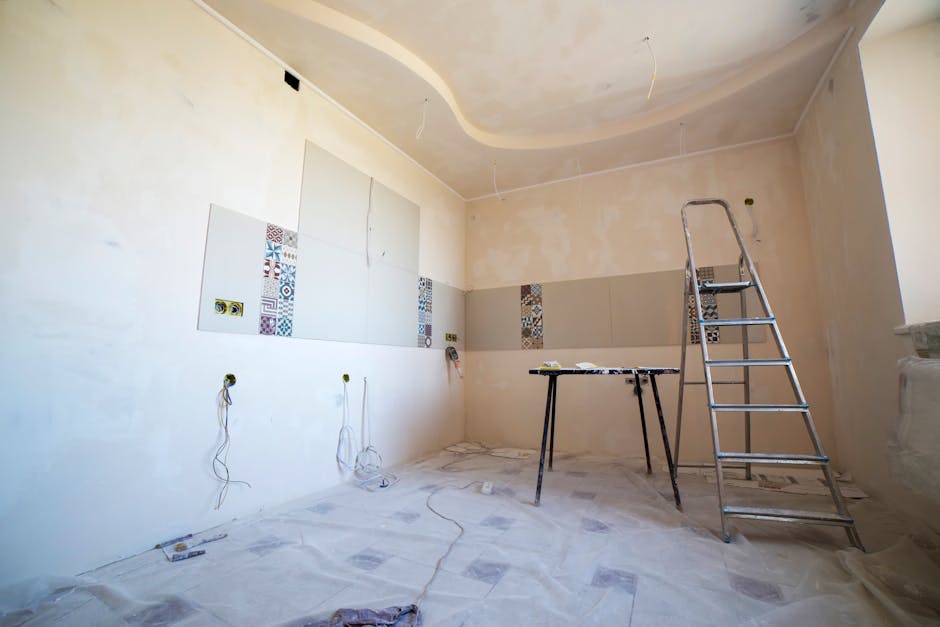
Before embarking on any home improvement project, it’s crucial to assess the specific needs of your home. Take the time to identify which areas require attention. For example, check for structural issues, outdated designs, or inefficiencies in energy use. According to a recent survey, over 60% of homeowners prioritize energy efficiency when planning renovations. This is a smart approach, as energy-efficient upgrades can significantly reduce utility bills while increasing comfort.
Additionally, consider the current trends in home improvement. For instance, open floor plans are increasingly popular, as they create a sense of spaciousness. If your home has closed-off rooms, you might explore options to create a more open layout. However, it’s essential to balance trendiness with personal style, ensuring that any changes reflect your taste and lifestyle.
DIY vs. Professional Help
One of the first decisions you’ll face is whether to tackle home improvement projects yourself or hire professionals. DIY projects can be cost-effective and rewarding, especially for smaller tasks like painting, landscaping, or minor repairs. However, larger projects may require the expertise of licensed contractors. For instance, electrical work or plumbing issues should always be handled by professionals to ensure safety and compliance with local codes.
When considering DIY projects, start with a clear plan and budget. Allocate your time wisely and be realistic about your skills. Online resources, including tutorials and forums, can provide invaluable assistance. Don’t hesitate to seek advice from experienced DIY enthusiasts or professionals if you encounter challenges.
For those who prefer to hire professionals, obtaining multiple quotes is advisable. This approach not only helps you find the best price but also allows you to gauge the professionalism and reliability of contractors. Always check references and read reviews to ensure you’re making the right choice.
Budgeting for Home Improvement
Creating a budget for your home improvement projects is essential. Without a budget, you risk overspending or running out of funds before completing your desired changes. Experts recommend allocating 1-3% of your home’s value for annual maintenance and improvements. For more extensive renovations, this figure can increase significantly.
When budgeting, consider all potential costs, including materials, labor, permits, and unexpected expenses. A contingency fund of 10-20% of the total budget is wise to cover unforeseen costs that may arise during the renovation process. Additionally, keep an eye on seasonal sales and discounts on materials to save money.
Choosing the Right Materials
Materials play a pivotal role in the success of your home improvement projects. Choosing the right materials can enhance the aesthetic appeal and durability of your renovations. For example, when selecting flooring, hardwood is a popular choice for its timeless elegance, while laminate offers affordability and easy maintenance. Research the pros and cons of various materials to find the best fit for your needs.
Another important consideration is sustainability. Many homeowners are increasingly opting for eco-friendly materials that are better for the environment and often more energy-efficient. For instance, reclaimed wood, bamboo, and recycled materials are excellent choices for environmentally conscious renovations.
Furthermore, ensure that the materials you choose align with the overall style of your home. Consistency in design can create a cohesive look that adds to your home’s charm and appeal.
Finishing Touches: Decor and Landscaping
After the major renovations are complete, it’s time to focus on the finishing touches that will truly personalize your space. Interior decor can significantly impact the ambiance of your home. Consider investing in quality furnishings, artworks, and accessories that reflect your taste. Layering textures and incorporating color can create warmth and depth in any room.
Landscaping is equally important in enhancing your home’s exterior. A well-maintained garden, attractive pathways, and outdoor lighting can improve curb appeal and create inviting outdoor spaces. According to the National Association of Realtors, landscaping projects can yield a return on investment of up to 150% when selling your home.
Don’t forget to incorporate outdoor furniture and decor that complements your home’s style. Creating an outdoor oasis can enhance your living experience and provide a perfect spot for relaxation and entertainment.
Conclusion
Home improvement is a multifaceted process that requires careful planning, budgeting, and execution. By understanding your home’s needs and making informed decisions, you can transform your living space into a more functional and aesthetically pleasing environment. Whether you choose to embark on DIY projects or hire professionals, the key to successful home improvement lies in thorough research and thoughtful execution. With the right approach, your home can become a true reflection of your style and comfort. Remember, the journey of home improvement can be as rewarding as the end result, so enjoy the process!
For those interested in other creative pursuits, exploring a fashion blog can provide inspiration and ideas that may also influence your home decor choices.