
 By Jordan Coleman
 Skydiving is an exhilarating experience that many people dream of trying at least once in their lifetime. However, before you jump out of an airplane, it’s essential to choose the right skydiving school to ensure your safety and enjoyment. With numerous options available, selecting the right school can be daunting. In this guide, we’ll explore the critical factors to consider when choosing a skydiving school, the types of courses offered, and what to expect during your first dive.
Understanding Skydiving Certifications
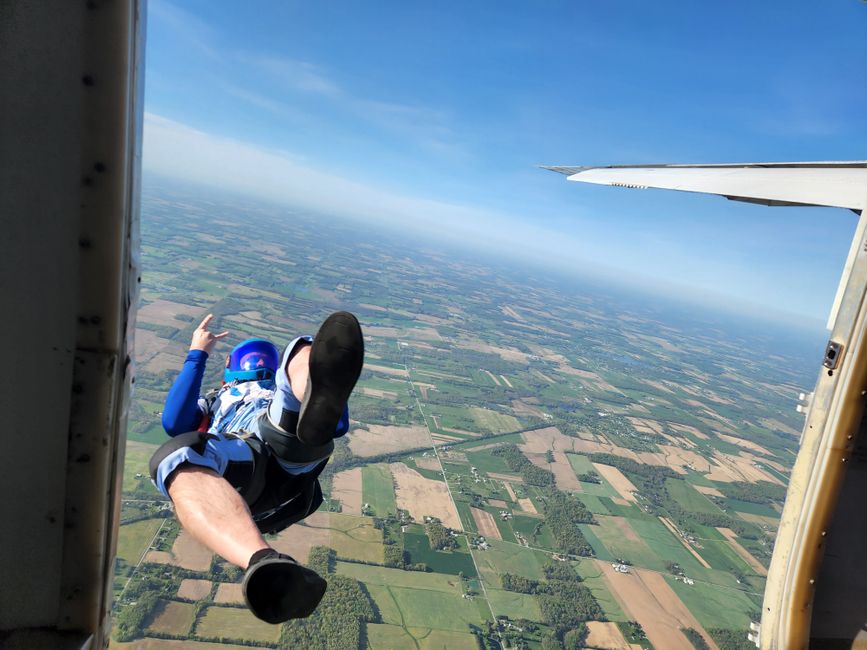
Before enrolling in a skydiving school, it’s crucial to understand the various certifications available. The United States Parachute Association (USPA) is the governing body for skydiving in the U.S., and it outlines specific training programs and certification levels.
The most common certifications are tandem and solo jumps. Tandem skydiving involves jumping with an experienced instructor, making it ideal for first-timers. Alternatively, if you’re looking to become a licensed skydiver, you’ll need to complete the Accelerated Freefall (AFF) program, which allows you to jump solo after a series of training jumps.
Regardless of your choice, ensure that the school you select is USPA-affiliated, as this guarantees adherence to safety standards and professional training.
Evaluating Safety Records and Equipment
Safety should be your top priority when choosing a skydiving school. Research the school’s safety record, looking for any incidents or accidents in the past. A reputable school will be transparent about its safety history and will gladly provide this information.
Additionally, inspect the equipment used by the school. Modern, well-maintained gear is essential for a safe jumping experience. Schools should use equipment that meets or exceeds industry standards, and they should perform regular maintenance checks. Don’t hesitate to ask about the gear, including the parachutes and altimeters, before making a decision.
Remember, the best skydiving school prioritizes safety and invests in high-quality equipment.
Instructor Qualifications and Experience
The instructors at a skydiving school play a pivotal role in your learning experience and overall safety. It’s essential to inquire about their qualifications and experience. Look for instructors who are USPA-certified and have thousands of jumps under their belts. Experienced instructors will not only provide you with valuable insights but will also ensure that you’re well-prepared for your jump.
Furthermore, consider the instructor-to-student ratio. A lower ratio means more personalized attention, which is particularly important for beginners. A good instructor can significantly enhance your confidence and enjoyment during your first dive.
Many schools also offer reviews and testimonials from past students, which can provide insight into the quality of instruction.
Cost of Skydiving Courses
The cost of skydiving courses can vary significantly depending on the school, location, and type of training. Tandem jumps typically range from $200 to $300, while AFF programs can cost upwards of $1,500. When evaluating costs, it’s essential to consider what’s included in the price.
Some schools may offer package deals that include training jumps, gear rental, and even video services for your jump. Make sure to read the fine print and understand what you’re paying for. Keep in mind that while budget-friendly options are available, investing in a reputable school with excellent safety records and experienced instructors is worth the extra cost in the long run.
Don’t forget to inquire if the school offers any discounts for groups or off-peak season jumps. This can make your skydiving experience more affordable without compromising on quality.
What to Expect on Your First Jump
Your first skydiving experience is likely to be filled with excitement and nerves. When you arrive at the skydiving school, you’ll typically start with a briefing that covers safety protocols, equipment usage, and what to expect during the jump. If you’re doing a tandem jump, your instructor will guide you through the process step by step.
Once you’re suited up and ready to go, you’ll board the aircraft and ascend to the jump altitude, usually between 10,000 and 14,000 feet. During the climb, you’ll have time to take in the breathtaking views and prepare mentally for the jump.
When it’s time to jump, your heart will race as you and your instructor leap out of the plane. The freefall lasts about 30 seconds, giving you a rush like no other. After the parachute opens, you’ll glide back to the ground, where you can reflect on your incredible experience. Many schools, like the one mentioned in this skydiving school, offer video packages so you can relive the moment with friends and family.
Conclusion
Choosing the right skydiving school is essential for a safe and enjoyable experience. By considering factors such as certifications, safety records, instructor qualifications, and costs, you can make an informed decision. Remember, skydiving is not just about the thrill; it’s about having an unforgettable journey that starts with the right training. So gear up, trust your instincts, and prepare for an adventure of a lifetime!