
 By Jordan Coleman
 The world of fashion is ever-evolving, and with it comes the rise of luxury brand resellers. In recent years, the demand for pre-owned luxury goods has skyrocketed, leading to a flourishing market for those looking to buy or sell high-end items without the hefty price tag. This article delves into the dynamics of the luxury resale market, exploring its growth, benefits, and how it is shaping consumer behavior in the fashion industry.
The Growth of the Luxury Resale Market
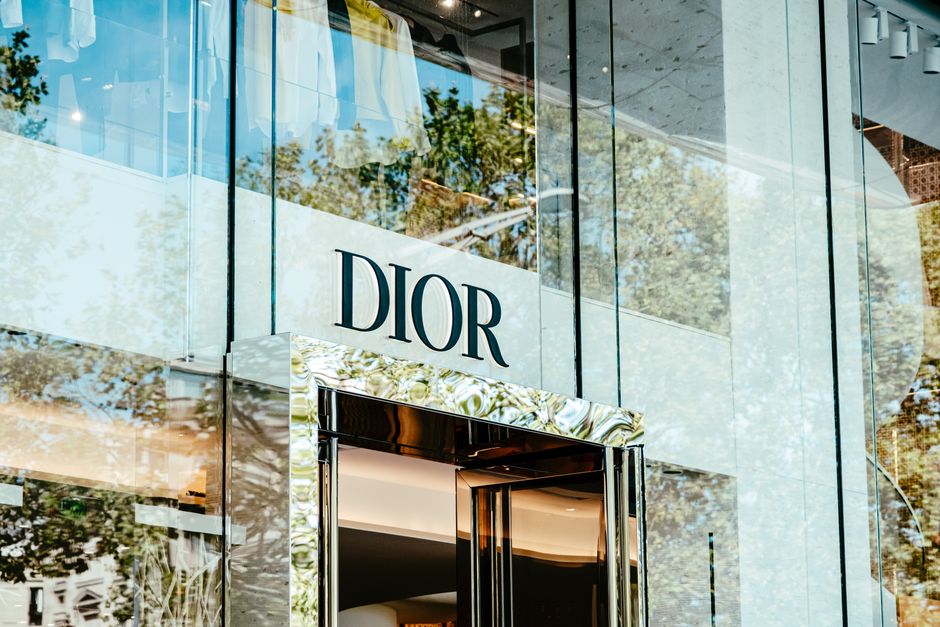
The luxury resale market has experienced remarkable growth, with estimates suggesting it could reach $64 billion by 2024. This surge can be attributed to various factors, including the increasing popularity of sustainable fashion and the desire for affordable luxury. As consumers become more environmentally conscious, many are turning to second-hand goods as a way to reduce waste and promote sustainability.
According to ThredUp’s 2021 Resale Report, the second-hand market is expected to grow 11 times faster than the traditional retail market over the next five years. This rapid growth opens up new opportunities for businesses and entrepreneurs looking to enter the luxury resale space.
Benefits of Buying from Luxury Brand Resellers
One of the main advantages of purchasing from luxury brand resellers is the significant cost savings. High-end items often depreciate in value, allowing consumers to find designer pieces at a fraction of their original prices. Additionally, many resellers offer authentication services, ensuring the items sold are genuine and in good condition.
Furthermore, buying from resellers supports a circular economy, where luxury goods are recycled and reused rather than discarded. This not only benefits the environment but also allows consumers to find unique pieces that may no longer be available in traditional retail stores.
Challenges Faced by Luxury Brand Resellers
While the luxury resale market is booming, it is not without its challenges. One significant hurdle is the issue of counterfeit goods. Resellers must invest in authentication processes to ensure that the items they sell are genuine, which can be time-consuming and costly.
Additionally, the competitive landscape is intensifying, with new players entering the market regularly. Established luxury brands are also beginning to explore resale options, which could impact independent resellers. To thrive in this environment, resellers must differentiate themselves through exceptional customer service, unique product offerings, and effective marketing strategies.
The Future of Luxury Resale
The future of luxury brand resellers looks promising, with an increasing number of consumers embracing the concept of buying pre-owned luxury goods. As the stigma around second-hand shopping diminishes, more people are likely to explore the offerings of resellers.
Technological advancements are also playing a crucial role in this evolution. Online platforms and mobile apps make it easier for consumers to buy and sell luxury items, expanding the market significantly. For instance, platforms like Poshmark and The RealReal have revolutionized the way people interact with luxury goods, providing a user-friendly experience for both buyers and sellers.
Conclusion
The rise of luxury brand resellers represents a significant shift in the fashion industry. With consumers increasingly prioritizing sustainability and affordability, the resale market is poised for continued growth. As more people discover the benefits of shopping second-hand, luxury brand resellers will play a vital role in shaping the future of fashion. Whether you’re a seasoned collector or a first-time buyer, exploring the world of luxury resale could lead to exciting discoveries and unique finds. To start your journey, consider connecting with a reputable luxury brand reseller today.