
 By Jordan Coleman
 Irrigation systems play a crucial role in modern agriculture, ensuring that crops receive the necessary water for growth and development. As global populations continue to rise, the demand for efficient irrigation methods has never been more pressing. In this article, we will explore the latest innovations in irrigation systems, their impact on sustainability, and how they can contribute to food security.
Understanding the Basics of Irrigation Systems
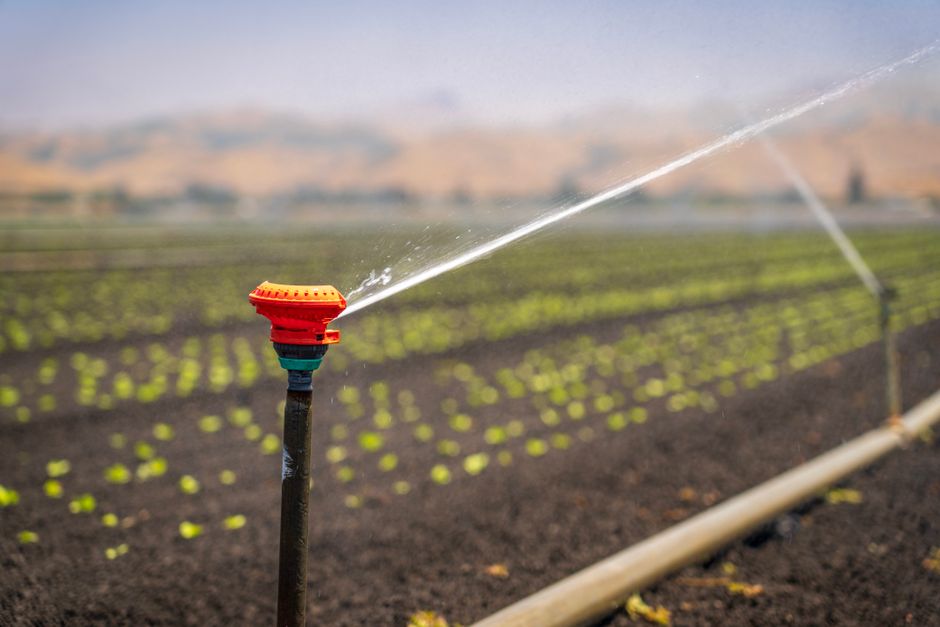
Irrigation systems are designed to deliver water to crops in a controlled manner. They can vary significantly in complexity, from simple hand-watered systems to advanced automated networks. Understanding the basic components of these systems is essential for farmers and agricultural professionals alike. Traditional methods include surface irrigation, where water is applied directly to the soil surface, and subsurface irrigation, which involves delivering water below the soil surface to increase efficiency.
Modern irrigation systems often incorporate technology to improve efficiency and reduce water waste. For instance, drip irrigation systems provide water directly to the plant roots, minimizing evaporation and runoff. Such systems can reduce water usage by up to 50% compared to traditional methods, making them a popular choice among sustainable farming practices.
The integration of technology into irrigation systems has led to the development of smart irrigation technologies. These systems use sensors to monitor soil moisture levels and weather conditions, allowing farmers to apply water only when necessary, further optimizing water use.
Innovations in Irrigation Technology
Recent advancements in irrigation technology have revolutionized how farmers manage water resources. One of the most significant innovations is the use of automated systems that leverage data analytics and machine learning. By analyzing weather patterns and soil conditions, these systems can predict when and how much water is needed, significantly improving efficiency.
For example, precision irrigation systems utilize GPS technology to create detailed maps of fields, allowing farmers to tailor their watering schedules to specific areas based on their unique needs. This targeted approach not only conserves water but also enhances crop yields by ensuring that each plant receives the optimal amount of moisture.
Another exciting development is the use of renewable energy sources to power irrigation systems. Solar-powered pumps, for instance, are becoming increasingly popular in remote areas where electricity is scarce. These systems allow farmers to irrigate their crops sustainably, reducing their reliance on fossil fuels and lowering their carbon footprint.
The Role of Irrigation in Sustainable Agriculture
As the world faces the challenges of climate change and increasing food demand, sustainable agriculture has become more critical than ever. Efficient irrigation systems are a key component of sustainable farming practices, helping to conserve water and reduce environmental impact.
By implementing advanced irrigation techniques, farmers can significantly decrease their water usage while maintaining or even increasing crop productivity. Research shows that farms utilizing modern irrigation systems can reduce water consumption by up to 30%, which is vital in regions facing water scarcity.
Moreover, sustainable irrigation practices contribute to soil health by preventing erosion and maintaining nutrient levels. Healthy soil is essential for producing high-quality crops, and effective irrigation helps to preserve this vital resource.
Challenges and Future Directions
Despite the numerous advantages of modern irrigation systems, challenges remain. The initial cost of implementing advanced irrigation technologies can be prohibitive for some farmers. However, many governments and organizations are offering incentives and subsidies to encourage the adoption of these systems, recognizing their long-term benefits.
Furthermore, as climate variability continues to affect weather patterns, farmers must adapt their irrigation strategies to cope with these changes. This may involve investing in more resilient irrigation systems that can withstand extreme weather events, such as droughts or floods.
The future of irrigation systems lies in continuous innovation and adaptation. As technology advances, we can expect to see even more efficient and sustainable irrigation solutions that will meet the needs of a growing global population.
Conclusion
In conclusion, irrigation systems are essential for modern agriculture, playing a significant role in ensuring food security and sustainable farming practices. As innovations in technology continue to emerge, farmers must stay informed and adopt these advancements to optimize their irrigation strategies. By doing so, they can enhance crop yields, conserve water resources, and contribute to a more sustainable future for agriculture. To learn more about the science behind irrigation systems, consider exploring the latest research on irrigation systems.