
 By Jordan Coleman
 Septic tank cleaning is a crucial aspect of home maintenance that often goes overlooked. Many homeowners are unaware of the importance of regularly cleaning and maintaining their septic systems, leading to costly repairs and environmental issues. In this article, we will explore the significance of septic tank cleaning, the signs that indicate your tank needs attention, the cleaning process itself, and tips for maintaining a healthy septic system.
Understanding Septic Systems
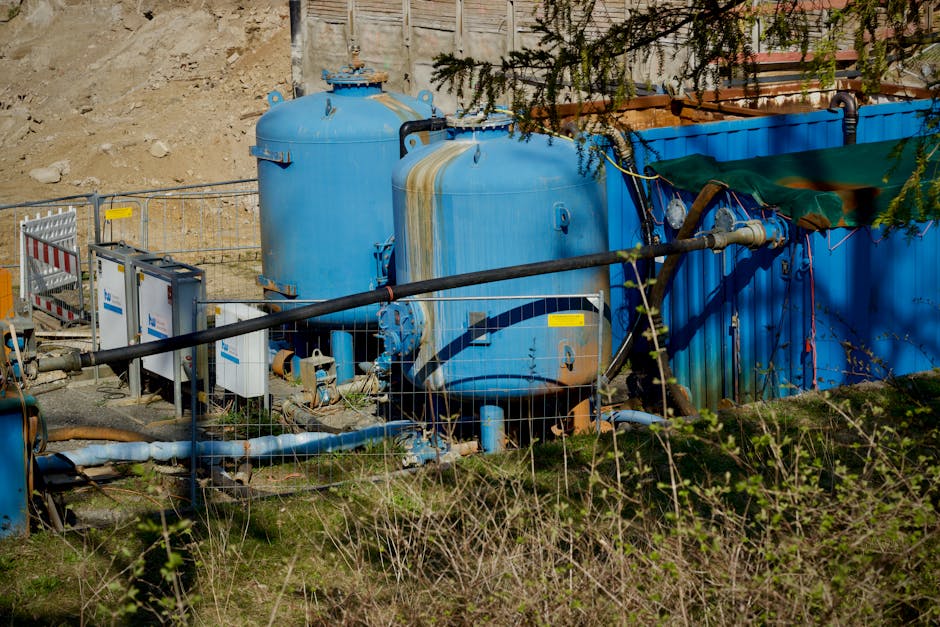
A septic system is an underground wastewater treatment structure used in areas that lack centralized sewer systems. It comprises a septic tank and a drain field, which work together to treat and disperse wastewater. When wastewater from your home flows into the septic tank, solids settle at the bottom, forming sludge, while fats, oils, and grease float to the top, creating scum. The remaining liquid effluent is then discharged into the drain field.
Understanding how your septic system operates is vital for ensuring its longevity. Regular septic maintenance, including cleaning, can help prevent clogs, backups, and other issues that can lead to system failure. Homeowners should familiarize themselves with their system’s design and capacity to manage their wastewater effectively.
Signs Your Septic Tank Needs Cleaning
Neglecting septic tank cleaning can lead to several indicators that your system is in distress. Some common signs that your septic tank needs attention include:
- Slow Drains: If multiple drains in your home are sluggish, it may indicate a full septic tank that cannot process wastewater efficiently.
- Bad Odors: Foul smells around your yard or near the septic tank can be a sign of a problem.
- Pooling Water: Water pooling in your yard, especially near the drain field, may indicate a failing septic system.
- Bright Green Grass: Unusually lush or green grass around the septic area can also indicate excess nutrient buildup due to system failure.
If you notice any of these signs, it is essential to schedule a cleaning and inspection as soon as possible to avoid further complications.
The Septic Tank Cleaning Process
Cleaning a septic tank involves several steps to ensure the system is clear of debris and functioning properly. The process typically includes:
- Inspection: A professional will inspect your septic system for any signs of damage or malfunction.
- Pumping: The tank is pumped to remove sludge and scum buildup. This is usually done every 3 to 5 years, depending on usage and tank size.
- Cleaning: After pumping, the tank is cleaned to remove any remaining debris and buildup.
- Maintenance: The technician will also provide recommendations for ongoing maintenance, including regular inspections and cleaning schedules.
Regular cleaning is essential to prevent clogs and backups, which can be both costly and inconvenient.
Tips for Maintaining a Healthy Septic System
Maintaining a healthy septic system goes beyond regular cleaning. Here are some practical tips to ensure your septic system functions efficiently:
- Conserve Water: Excessive water usage can overwhelm your septic system. Be mindful of water usage to prevent overloading the tank.
- Avoid Harsh Chemicals: Chemicals can disrupt the natural bacterial processes in your septic tank. Use biodegradable products whenever possible.
- Regular Inspections: Schedule regular inspections with a professional to catch potential issues early.
- Proper Disposal: Never flush non-biodegradable items down the toilet or pour grease down the drain, as these can lead to clogs.
By following these tips and ensuring regular cleaning, you can help extend the life of your septic system.
Conclusion
Septic tank cleaning is a vital part of home maintenance that should not be ignored. Understanding your system, recognizing the signs that indicate a need for cleaning, and following best practices for maintenance can save you time, money, and stress in the long run. If you are unsure about the condition of your septic system or need professional assistance, consider reaching out to experts in septic maintenance to ensure your system remains in optimal condition.