
 By Jordan Coleman
 Perfume has been an integral part of human culture for thousands of years, transcending time and geography. From ancient civilizations to modern-day luxury brands, the art of fragrance creation has evolved into a complex science that captures emotions, memories, and identities. In this article, we will explore the fascinating world of perfume, its history, the intricacies of scent composition, and the factors that make a fragrance truly unique.
The Historical Significance of Perfume
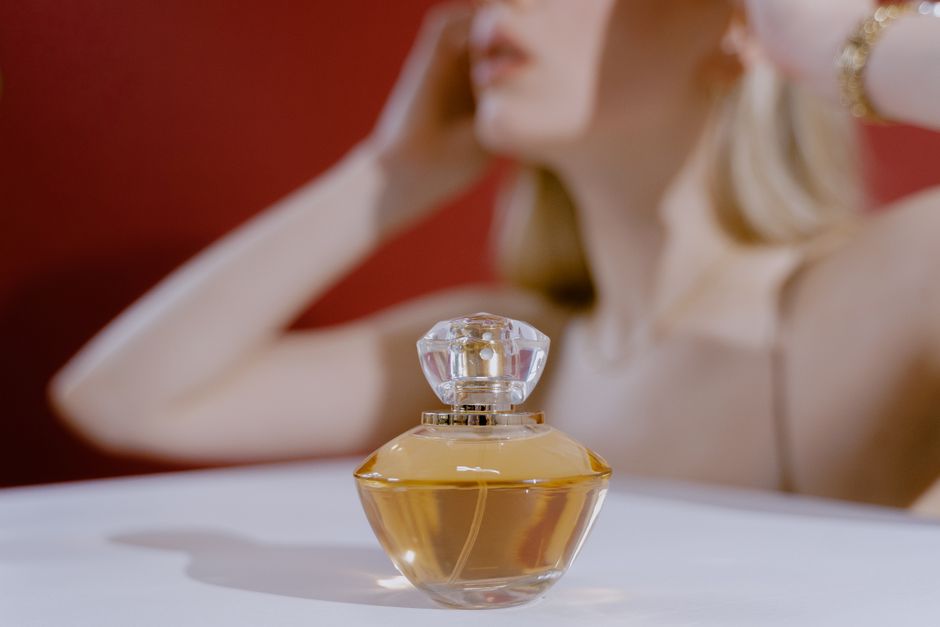
The use of perfume dates back to ancient Egypt, where it was not only used for personal fragrance but also played a significant role in religious rituals. Egyptians believed that perfumes were a gift from the gods and used them in ceremonies to honor deities. The art of perfumery spread to Greece and Rome, where it became popular among the elite. The Romans even had a saying, “Fragrance is the soul of life,” highlighting the importance of scent in their daily lives.
As time progressed, the perfume industry saw significant advancements during the Middle Ages, especially in the Arab world. The introduction of distillation methods allowed for the extraction of essential oils from flowers and herbs, leading to the creation of more complex and refined fragrances. This period laid the groundwork for modern perfumery, as many of the techniques developed during this time are still in use today.
The Science Behind Scent Composition
Creating a perfume is both an art and a science, requiring a deep understanding of chemistry and the human sense of smell. Perfumes are composed of various aromatic compounds, which can be classified into three main categories: top notes, middle notes, and base notes. Top notes are the initial scents that are perceived immediately upon application, while middle notes emerge as the perfume dries down. Base notes are the lasting impressions that give a fragrance its depth and longevity.
For example, a classic floral fragrance may feature top notes of bergamot and lemon, middle notes of jasmine and rose, and base notes of sandalwood and musk. The balance and harmony of these elements are crucial in creating a scent that is pleasant and memorable. Furthermore, factors such as skin chemistry, temperature, and humidity can all influence how a fragrance is experienced, making each person’s perception unique.
The Role of Ingredients in Perfume Creation
Perfume ingredients can be derived from natural sources, such as flowers, fruits, and spices, or they can be synthetic compounds created in laboratories. Natural ingredients, like essential oils, offer a rich and complex scent profile but can be expensive and subject to availability issues. On the other hand, synthetic ingredients provide consistency and can replicate scents that are difficult to extract from nature.
Brands like Maison Francis Kurkdjian (MFK) have mastered the art of blending both natural and synthetic ingredients to create unique fragrances. By carefully selecting and combining various elements, perfumers can craft scents that evoke specific emotions or memories, making the experience of wearing perfume deeply personal.
Trends in the Modern Perfume Industry
The modern perfume industry is constantly evolving, driven by consumer preferences and cultural shifts. One of the most notable trends in recent years is the rise of niche perfumery, where smaller brands focus on creating high-quality, artisanal fragrances that stand out in a saturated market. These niche perfumes often emphasize individuality and personal expression, appealing to consumers looking for something unique.
Additionally, sustainability has become a significant concern in the fragrance industry. Many brands are now prioritizing eco-friendly practices, from sourcing ingredients responsibly to using recyclable packaging. This shift towards sustainability not only addresses environmental concerns but also resonates with consumers who value transparency and ethical practices in their purchases.
The Future of Perfume
As we look to the future, the world of perfume will continue to be shaped by innovation and creativity. Advancements in technology, such as artificial intelligence and data analytics, are beginning to play a role in fragrance development, helping brands understand consumer preferences and create scents tailored to specific demographics.
Moreover, the rise of personalized fragrances is likely to transform how we approach scent. Customization allows individuals to create scents that reflect their unique personalities and experiences, leading to a deeper connection with the fragrance they wear. As the perfume industry adapts to these changes, one thing remains certain: the allure of fragrance will endure, captivating hearts and minds for generations to come.
Conclusion
Perfume is much more than just a pleasant scent; it is a powerful form of self-expression that tells a story and evokes memories. Understanding the history, science, and artistry behind perfume can deepen our appreciation for this timeless craft. Whether you are drawn to classic fragrances or modern niche offerings, the world of perfume is rich and diverse, inviting exploration and discovery.