
 By Jordan Coleman
 As the world increasingly turns its attention to sustainable agriculture, aquaponics has emerged as a revolutionary method of growing food. Combining aquaculture and hydroponics, aquaponics allows you to cultivate fish and plants in a symbiotic environment. An aquaponics kit offers a manageable way to dive into this innovative farming practice, providing both beginners and experienced gardeners with the tools necessary for success.
Understanding Aquaponics
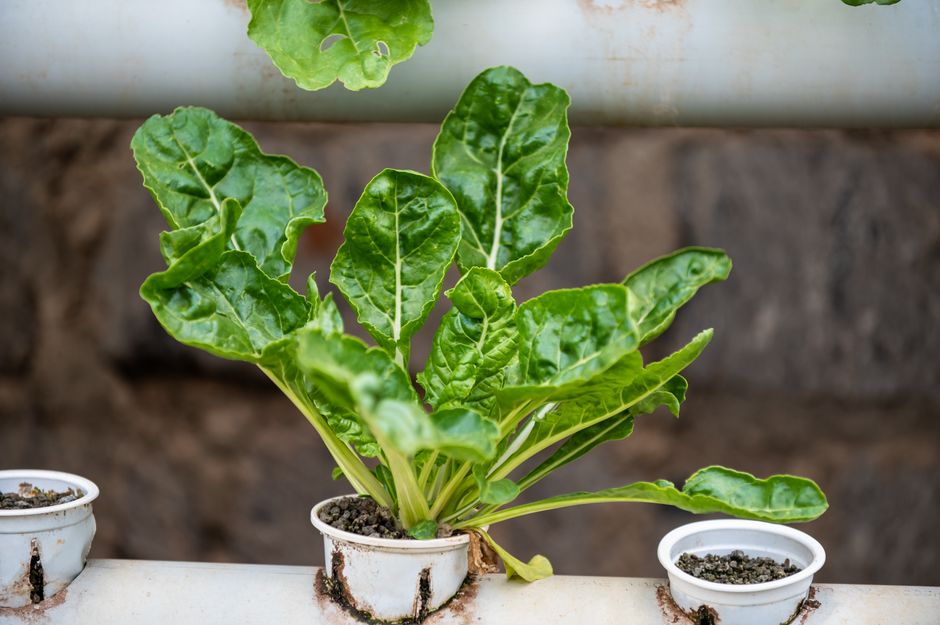
Aquaponics is a closed-loop system where fish waste provides organic nutrients for plants, and in return, plants help filter and purify the water for the fish. This sustainable method utilizes significantly less water compared to traditional farming. According to recent studies, aquaponics systems can use up to 90% less water than conventional soil-based agriculture, making them an excellent option for water-scarce regions.
In an aquaponics setup, fish such as tilapia or goldfish are often raised in tanks. The nutrient-rich water from these tanks is then circulated to grow beds where plants are cultivated. This process not only provides a continuous source of fresh produce but also ensures a steady supply of fish. The integration of these two elements creates a harmonious ecosystem that benefits both the plants and the fish.
Benefits of Using an Aquaponics Kit
One of the primary advantages of using an aquaponics kit is the space efficiency it offers. Whether you have a small backyard or live in an apartment, these kits can be tailored to fit various environments. Many kits are designed to be compact and easy to assemble, making them ideal for urban gardeners looking to maximize limited space.
Another significant benefit is the reduced need for chemical fertilizers and pesticides. Since the fish waste provides natural nutrients for the plants, growers can avoid the harmful chemicals commonly used in traditional farming. This not only supports healthier plants but also contributes to a cleaner environment.
Moreover, aquaponics kits can yield produce faster than traditional gardening methods. The nutrient availability and continuous water supply create optimal growing conditions, leading to faster plant growth. For example, leafy greens can be harvested in as little as three to four weeks, whereas the same plants might take months to grow in soil.
Choosing the Right Aquaponics Kit
When selecting an aquaponics kit, it’s essential to consider the size, components, and your specific gardening goals. Some kits come equipped with everything you need, including fish tanks, grow beds, and pumps, while others may require additional purchases. Assessing your space and the type of plants you wish to grow can help you make an informed decision.
Additionally, look for kits that include educational resources or community support. Many manufacturers provide guides or online forums where users can share tips and troubleshoot issues. This support can be invaluable for beginners navigating the complexities of aquaponics.
For those interested in expanding their knowledge, investing in a comprehensive aquaponics kit can be a gateway to learning more about sustainable farming practices. These systems not only provide fresh food but also educate users on the importance of ecological balance and responsible resource management.
Real-World Examples of Successful Aquaponics Systems
Aquaponics has gained traction in various settings, from home gardens to commercial farms. For instance, in urban areas, many restaurants are starting to implement aquaponics to grow their herbs and vegetables on-site. This not only ensures freshness but also reduces transportation costs and carbon footprints.
Schools are also adopting aquaponics as a part of their science curriculum, allowing students to engage in hands-on learning about ecosystems, biology, and sustainability. By maintaining their own aquaponics systems, students gain practical experience that enhances their understanding of food production.
Non-profit organizations are leveraging aquaponics to address food insecurity in underserved communities. By establishing community gardens equipped with aquaponics systems, they can provide fresh produce to those in need while promoting sustainable practices.
Conclusion
In conclusion, an aquaponics kit represents an innovative approach to gardening that merges technology, sustainability, and education. With its ability to produce food in a space-efficient and eco-friendly manner, it caters to a wide range of gardeners, from novices to seasoned professionals. By investing in an aquaponics kit, individuals can not only cultivate their own food but also contribute to a more sustainable future. As awareness of the benefits of aquaponics continues to grow, it stands as a testament to the potential of sustainable agriculture in addressing global food challenges. If you’re interested in starting your aquaponics journey, consider exploring an aquaponics kit that meets your needs and contributes to a healthier planet.