
 By Jordan Coleman
 The toy industry has always been a vibrant and dynamic sector, constantly evolving to meet the changing needs of children and parents alike. In recent years, the landscape of children’s toy manufacturing has undergone significant transformations, driven by advancements in technology, shifts in consumer preferences, and a growing emphasis on sustainability. This article delves deep into the world of children toy manufacturers, exploring the trends that are shaping the industry and the innovations that are redefining play.
Understanding the Market Dynamics
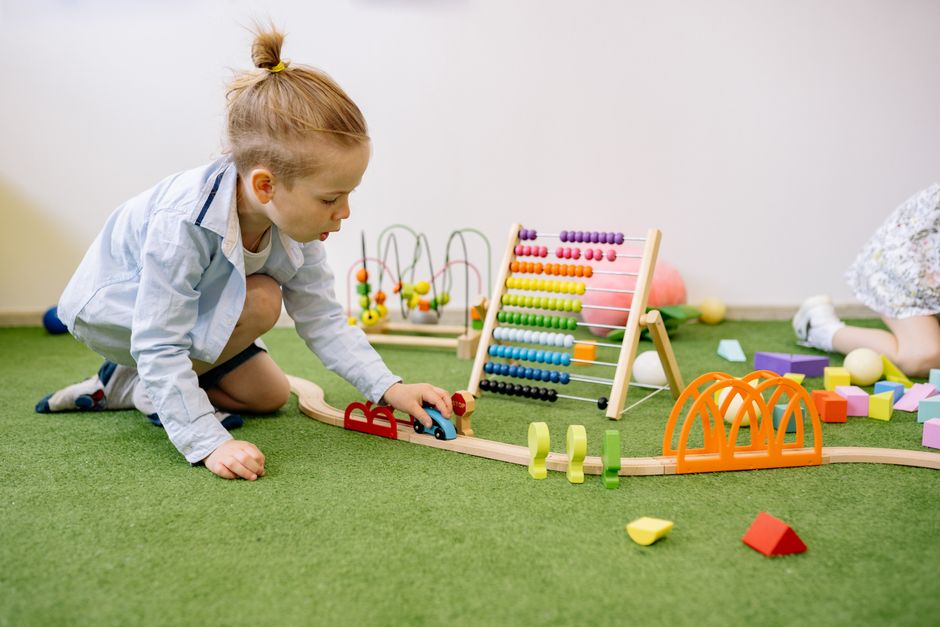
The global toy market was valued at approximately $90 billion in 2021 and is projected to reach over $120 billion by 2026, according to industry reports. This exponential growth is fueled by a variety of factors including the rising disposable income of families, increased focus on educational toys, and the influence of digital technology. Children toy manufacturers are adapting to these trends, ensuring that their products not only entertain but also educate and inspire creativity.
One of the major trends influencing the market is the increasing demand for eco-friendly toys. Parents are becoming more conscious of the materials used in toys, opting for products that are safe for their children and the environment. This has led many children toy manufacturers to invest in sustainable materials and production processes, thereby reducing their carbon footprint and appealing to eco-aware consumers.
Technological Innovations in Toy Manufacturing
Technology is reshaping the toy industry in unprecedented ways. The integration of augmented reality (AR) and virtual reality (VR) into toys is creating interactive experiences that captivate children’s imaginations. For instance, toys that incorporate AR allow children to engage with digital content through their smartphones or tablets, enhancing their play experience. Such innovations not only make playtime more enjoyable but also foster learning through interactive storytelling and problem-solving.
Moreover, advancements in robotics have led to the creation of smart toys that can interact with children in real-time. These toys often incorporate artificial intelligence, allowing them to learn from a child’s behavior and adapt their responses accordingly. This level of interactivity not only entertains but also promotes cognitive development, making them a popular choice among parents.
The Role of Safety Standards in Toy Manufacturing
As the children toy manufacturing industry continues to grow, safety standards have become a paramount concern. Manufacturers are required to adhere to strict safety regulations to ensure that their products are safe for children. In the United States, the Consumer Product Safety Commission (CPSC) sets forth guidelines that toy manufacturers must follow, including restrictions on the use of harmful chemicals and requirements for choking hazard warnings.
In recent years, there has been an increase in recalls due to safety concerns, highlighting the importance of rigorous testing and quality control in the manufacturing process. Children toy manufacturers are investing more in safety testing to avoid potential hazards and maintain consumer trust. This focus on safety not only protects children but also enhances the brand reputation of manufacturers.
Shifts in Consumer Preferences
Consumer preferences are shifting towards toys that offer more than just entertainment. Parents are increasingly seeking toys that contribute to their child’s development, leading to a rise in the popularity of educational and STEM (Science, Technology, Engineering, and Mathematics) toys. These toys are designed to encourage critical thinking, creativity, and problem-solving skills, making them highly sought after in today’s market.
Additionally, there has been a notable increase in the demand for customizable and personalized toys. Children toy manufacturers are responding to this trend by offering products that can be tailored to a child’s specific interests and preferences. This not only enhances the play experience but also fosters a sense of ownership and connection between the child and their toys.
Future Trends in the Toy Industry
Looking ahead, the future of children toy manufacturing appears promising. As the industry continues to evolve, manufacturers will need to stay ahead of trends to remain competitive. The emphasis on sustainability is expected to grow, with more companies seeking to implement eco-friendly practices throughout their supply chains.
Furthermore, the integration of technology in toys will likely become more sophisticated, with advancements in AI and machine learning creating even more interactive play experiences. As children’s needs and preferences evolve, manufacturers must be agile and innovative, continually adapting their products to meet the demands of the market.
In conclusion, the children toy manufacturing industry is a complex and rapidly changing landscape, driven by technological advancements, consumer preferences, and a growing emphasis on safety and sustainability. As we move forward, it is essential for manufacturers to embrace these changes and continue to innovate, ensuring that they provide safe, engaging, and educational products for the next generation of children. For those looking to explore reliable options in this field, partnering with a reputable children toy manufacturer can be a strategic move.