
 By Jordan Coleman
 The ambiance of a restaurant plays a critical role in shaping the dining experience. As more establishments vie for customer attention, the importance of thoughtful interior design cannot be overstated. This article explores the key elements of restaurant interior design, offering insights into how these components can be harmoniously integrated to create a memorable atmosphere.
Understanding the Fundamentals of Restaurant Interior Design
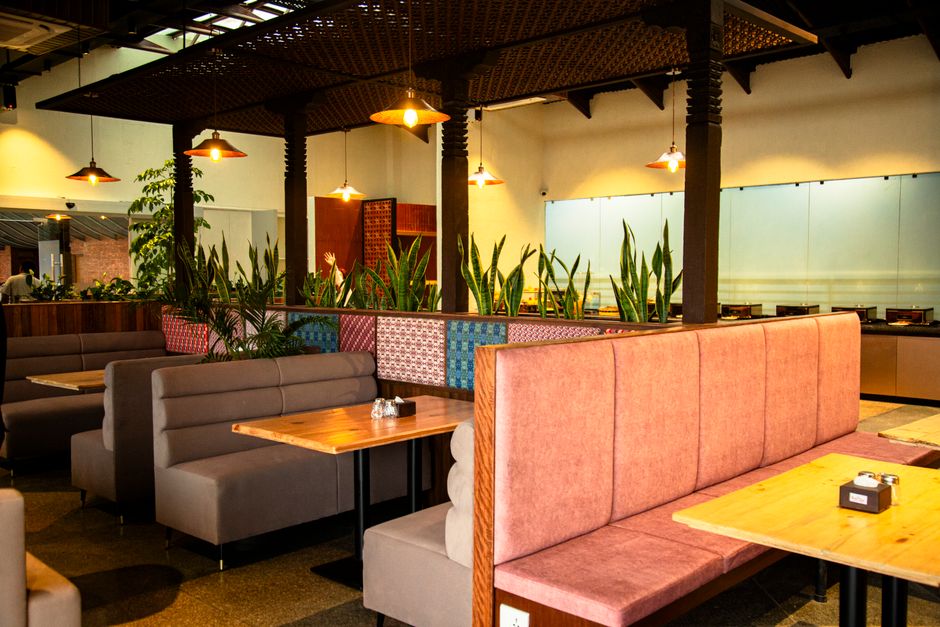
Restaurant interior design is more than just aesthetic appeal; it involves a careful consideration of space, comfort, and functionality. Each element, from color schemes to furniture choices, contributes to the overall experience. According to a study by the Journal of Hospitality Management, the environment can influence diners’ perceptions and even their appetite. Thus, understanding the fundamentals is essential for any restaurant owner or designer.
One crucial aspect is the layout of the space. An effective design should facilitate smooth traffic flow, allowing guests to move comfortably without feeling cramped. Open layouts can encourage social interaction, while more intimate settings can promote a cozy atmosphere. The key is to find a balance that suits the restaurant’s concept and target audience.
Color and Lighting: Setting the Mood
Color and lighting are powerful tools in restaurant interior design. Different colors evoke various emotions; for instance, warm tones like red and orange can stimulate appetite, while cooler colors tend to create a calming effect. Selecting the right palette is essential for conveying the desired ambiance.
Lighting also plays a significant role. Bright, harsh lighting may be suitable for fast-casual dining, while dim lighting can enhance the experience in fine dining establishments. Layering different types of lighting—ambient, task, and accent—can create depth and interest within the space. Incorporating natural light, when possible, can further enhance the atmosphere and make the space feel more inviting.
Incorporating Brand Identity
Every restaurant has a unique identity, and this should be reflected in its interior design. From the choice of materials to the decor, every detail should resonate with the brand’s values and mission. For instance, a farm-to-table restaurant may incorporate rustic wood elements and organic textiles to emphasize its commitment to sustainability.
Moreover, the use of art and decor can reinforce brand identity. Local artwork, for example, not only supports the community but also tells a story that resonates with patrons. This connection to place can foster loyalty among customers, making them more likely to return.
Furniture Selection: Comfort Meets Functionality
Furniture selection is another vital aspect of restaurant interior design. The right chairs and tables can significantly impact the comfort and satisfaction of diners. Ergonomics should be a priority; uncomfortable seating can lead to quick turnover and unhappy customers.
Additionally, the furniture should align with the overall theme and purpose of the restaurant. For casual dining, lightweight, movable furniture can enhance flexibility, while upscale establishments may benefit from more substantial, statement pieces. It’s essential to consider both style and practicality in selecting furnishings.
Creating Outdoor Spaces
With an increasing focus on outdoor dining, especially in urban areas, creating inviting outdoor spaces has become essential. Patios and terraces can significantly expand a restaurant’s capacity and appeal, allowing diners to enjoy fresh air and natural surroundings.
Designing these spaces requires careful consideration of elements like shading, seating arrangements, and landscaping. Incorporating greenery can enhance the aesthetic while providing a sense of tranquility. Additionally, outdoor heaters or fire pits can extend the usability of these spaces into colder months.
For those looking to optimize their restaurant’s appeal, investing in thoughtful restaurant interior design can yield significant returns. A well-designed environment not only captivates customers but also enhances their overall dining experience.
Conclusion: The Lasting Impact of Thoughtful Design
In conclusion, restaurant interior design is a multifaceted discipline that requires careful consideration of various elements. From color and lighting to furniture and branding, each component plays a crucial role in shaping the dining experience. By prioritizing thoughtful design, restaurant owners can create inviting, memorable spaces that resonate with customers and encourage repeat visits. As the industry continues to evolve, staying attuned to design trends and customer preferences will be vital in maintaining a competitive edge.