
 By Jordan Coleman
 In recent years, the luxury fashion market has undergone a significant transformation, with the rise of luxury brand resellers playing a pivotal role. As consumers become more conscious of sustainability and value, many are turning to the second-hand market for high-end goods. This article delves into the dynamics of luxury brand reselling, its impact on the industry, and what aspiring resellers need to know to thrive in this competitive landscape.
Understanding the Luxury Resale Market
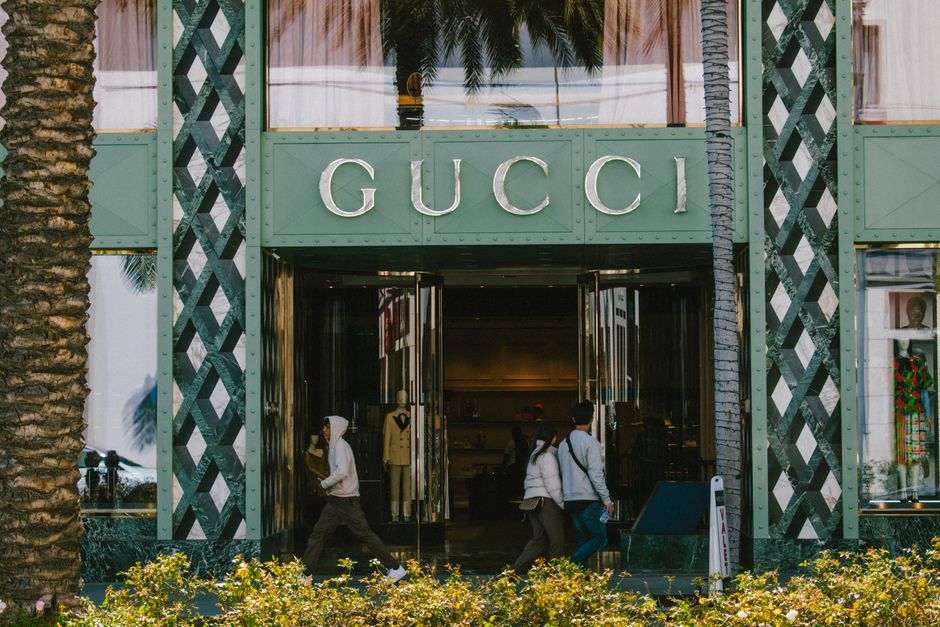
The luxury resale market has exploded in size and scope, expected to reach a valuation of over $64 billion by 2024. This growth is driven by a combination of consumer trends, including the desire for sustainability and the demand for unique or hard-to-find items. The rise of platforms dedicated to reselling luxury items has made it easier than ever for consumers to buy and sell pre-owned goods, creating a vibrant ecosystem for luxury brand resellers.
Many consumers are now viewing luxury purchases as investments, resulting in a surge in demand for items that hold their value. Certain luxury brands, such as Chanel and Hermès, are particularly sought after, often retaining or even increasing their value over time. This shift has encouraged more individuals to consider starting a luxury brand reseller business as a means of capitalizing on this growing trend.
Key Factors for Success in Reselling
While entering the luxury resale market can be lucrative, success requires more than just a passion for fashion. A successful reseller must possess a keen understanding of the market and the ability to authenticate luxury items accurately. Knowledge of trends, brand history, and the subtleties of high-end goods is essential.
Building a trustworthy reputation is paramount in the luxury reselling industry. Buyers are often skeptical of the authenticity of second-hand items, so providing detailed information and transparent sourcing can help establish credibility. Resellers should also consider the importance of marketing their items effectively, utilizing social media platforms and online marketplaces to reach a broader audience.
The Role of Technology in Reselling
Technology has revolutionized the luxury resale market, making it easier for resellers to connect with buyers. Online platforms and mobile applications have streamlined the buying and selling process, allowing for real-time transactions and global reach. Furthermore, the integration of artificial intelligence in these platforms aids in pricing strategies, ensuring that items are competitively priced based on market demand.
Social media has also become a powerful tool for luxury brand resellers. Platforms like Instagram and TikTok allow resellers to showcase their items to potential buyers, creating a dynamic shopping experience. Engaging content, such as styling tips and behind-the-scenes looks at the sourcing process, can attract a loyal following and increase sales.
Sustainability and the Future of Luxury Reselling
The growing emphasis on sustainability is reshaping consumer behaviors in the luxury market. Many consumers are now prioritizing eco-friendly practices, leading to a preference for second-hand luxury items over new purchases. This shift not only benefits the environment but also encourages a more circular economy.
As the luxury resale market continues to expand, brands are beginning to recognize the importance of this trend. Some luxury brands are even launching their own resale platforms, allowing them to take control of the resale process and ensure authenticity. This trend indicates a promising future for luxury brand resellers, as the lines between new and pre-owned luxury goods continue to blur.
Conclusion: Embracing Opportunities in Luxury Reselling
The luxury brand reseller market presents a unique opportunity for entrepreneurs looking to enter the fashion industry. With the right knowledge, tools, and marketing strategies, resellers can successfully navigate this lucrative landscape. As consumer attitudes continue to shift towards sustainability and value, the potential for growth in the luxury resale market is immense. By embracing technology and understanding market dynamics, aspiring resellers can establish themselves as key players in this evolving industry.