
 By Jordan Coleman
 The children’s toy industry is a vibrant and ever-evolving sector that plays a crucial role in child development and entertainment. With the rise of technology and changing consumer preferences, toy manufacturers are constantly innovating to meet the demands of today’s kids. In this article, we will explore the various aspects of children’s toy manufacturing, including trends, challenges, and the impact of safety regulations.
The Evolution of Children’s Toys
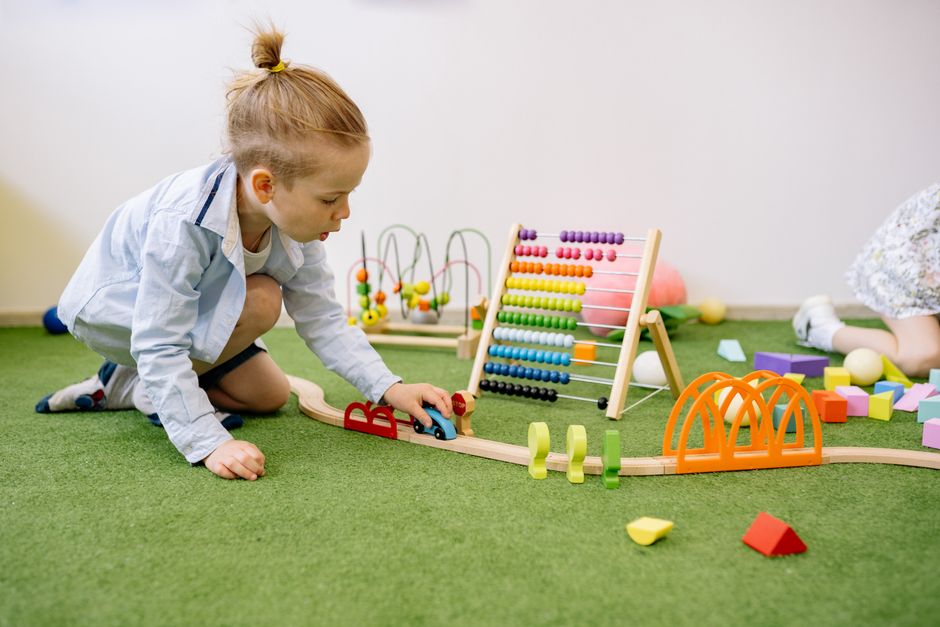
Over the decades, the landscape of children’s toys has changed dramatically. From simple wooden blocks and dolls to interactive electronic gadgets, the variety of toys available today is bewildering. The shift towards educational toys that promote learning while playing has gained significant traction. Manufacturers are now focusing on creating products that not only entertain but also educate. For instance, STEM (Science, Technology, Engineering, and Mathematics) toys have surged in popularity, encouraging young minds to explore and learn.
Furthermore, the incorporation of technology into toys has led to the rise of smart toys that can interact with children. These innovations are not just limited to electronics; they also encompass sustainable materials, with many manufacturers shifting towards eco-friendly production methods. For example, toys made from recycled plastics or sustainably sourced wood are becoming more common, appealing to environmentally conscious consumers.
Key Players in the Toy Manufacturing Industry
The children’s toy manufacturing industry is home to numerous players ranging from small startups to large multinational corporations. Companies like LEGO and Mattel have established their dominance through iconic products that have stood the test of time. However, the market is also witnessing a rise in niche manufacturers that cater to specific interests and demographics.
These smaller companies often focus on creating unique, high-quality toys that emphasize craftsmanship and safety. For instance, many boutique toy brands prioritize hand-made or artisanal products, attracting parents who are willing to pay a premium for quality. Such brands often highlight their manufacturing processes, emphasizing their commitment to safety and sustainability.
The Importance of Safety Regulations
Safety is paramount in the children’s toy industry, and regulations are stringent to ensure that toys are safe for use. In many countries, toys must comply with safety standards which are regularly updated to address new concerns. For instance, the U.S. Consumer Product Safety Commission (CPSC) oversees toy safety regulations to prevent hazards such as choking or exposure to toxic substances.
Manufacturers must invest in rigorous testing and quality control to meet these standards. This not only protects children but also helps manufacturers build trust with consumers. Parents are more likely to purchase from brands that demonstrate a commitment to safety, making compliance not just a legal obligation but a competitive advantage.
Challenges Faced by Toy Manufacturers
The toy manufacturing industry is not without its challenges. One of the primary issues is the ever-changing tastes of children. Trends can shift rapidly, making it difficult for manufacturers to keep up. A toy that is popular one year may be forgotten the next, leading to potential financial losses for manufacturers.
Additionally, supply chain disruptions have become increasingly common, especially in the wake of global events like the COVID-19 pandemic. Manufacturers often face delays in production and shipping, which can affect their ability to deliver products on time. This has led many companies to reassess their supply chains and consider local sourcing to mitigate risks.
The Future of Children’s Toy Manufacturing
Looking ahead, the future of children’s toy manufacturing appears bright but also complex. The integration of technology will continue to shape the industry, with advancements in artificial intelligence and augmented reality opening up new possibilities for interactive play experiences. Furthermore, as parents become more conscientious about the environmental impact of their purchases, manufacturers will need to adapt their practices to meet these demands.
In conclusion, the children’s toy manufacturing industry is a dynamic field that reflects broader societal trends and values. By focusing on safety, innovation, and sustainability, manufacturers can continue to thrive in this competitive landscape. As the demand for diverse and engaging toys grows, the role of manufacturers will be crucial in shaping the future of play.
For those interested in exploring reputable options in this field, it’s worth checking out various children toy manufacturer websites to see the latest offerings and innovations.