
 By Jordan Coleman
 In recent years, aerial drone photography has transformed the way we capture and perceive our world from above. With advancements in technology, drones have become accessible to both professionals and enthusiasts, allowing for stunning aerial shots that were once the domain of expensive helicopters and planes. This article delves into the intricacies of aerial drone photography, exploring its applications, benefits, and the future of this exciting field.
The Technological Evolution of Drones
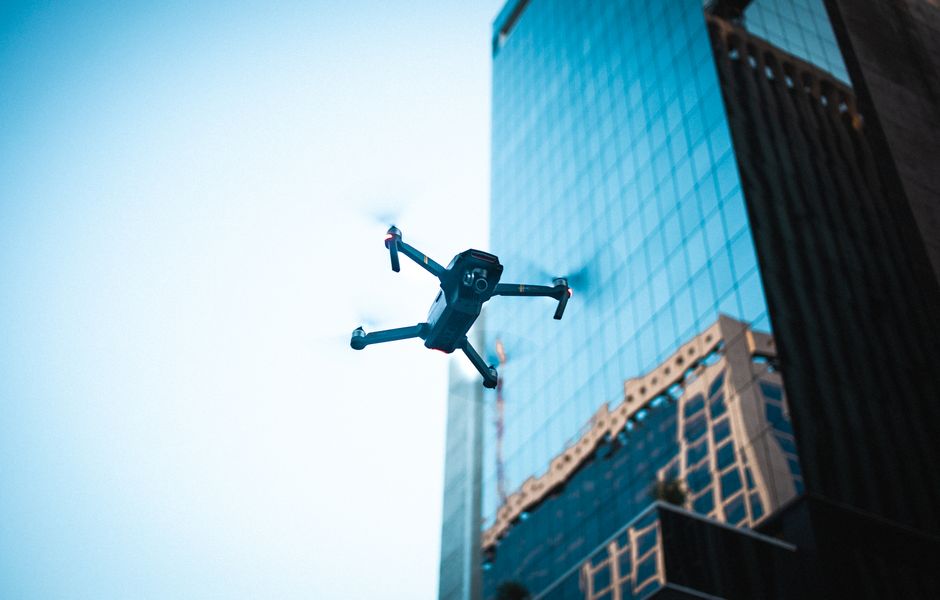
The advent of drone technology has been nothing short of revolutionary. Early models were often bulky, limited in functionality, and required skilled pilots to operate. However, modern drones are equipped with high-definition cameras, GPS stabilization, and user-friendly interfaces, making them suitable for a wide range of users. For instance, the DJI Phantom series has set a benchmark in the industry with its ease of use and exceptional image quality.
Statistics indicate that the drone market is booming, with a projected growth rate of over 20% annually. This surge is largely driven by the increasing demand for aerial photography in various sectors, including real estate, film production, and environmental monitoring. Drones like the Mavic Air 2 are not only compact but also equipped with advanced features such as obstacle avoidance and 4K video recording, making them ideal for both professional and amateur photographers.
As technology continues to evolve, the integration of AI and machine learning into drone systems is expected to enhance their capabilities further. This will allow for smarter flight patterns, improved image processing, and even automated editing features.
Applications of Aerial Drone Photography
The applications of aerial drone photography are vast and varied. In the real estate industry, agents use aerial shots to showcase properties from unique angles, providing potential buyers with a comprehensive view of the estate and its surroundings. This not only enhances the marketing of the property but also helps buyers make informed decisions.
Furthermore, drones are increasingly being used in agriculture for crop monitoring and management. Farmers can utilize aerial images to assess crop health, identify pest infestations, and optimize irrigation practices. A study conducted by the University of California found that farmers using drone technology reported a 10-15% increase in crop yield due to better monitoring and management.
In the realm of environmental conservation, aerial drone photography plays a critical role in monitoring wildlife and natural habitats. Conservationists use drones to track animal movements and assess the health of ecosystems without disturbing the natural environment. This non-invasive approach has proven invaluable in efforts to protect endangered species and preserve biodiversity.
Challenges in Aerial Drone Photography
Despite its many benefits, aerial drone photography is not without challenges. Regulatory issues pose a significant hurdle, as different countries have varying laws regarding drone usage. In the United States, the Federal Aviation Administration (FAA) regulates drone flights, requiring operators to adhere to strict guidelines to ensure safety.
Moreover, environmental factors such as weather conditions can greatly affect drone operations. Wind, rain, and fog can hinder visibility and impact the quality of aerial shots. Photographers must be well-versed in understanding these conditions and planning their flights accordingly.
Additionally, the ethical implications of drone usage cannot be overlooked. Privacy concerns arise when drones capture images in residential areas. Balancing the benefits of aerial photography with the rights of individuals is an ongoing discussion within the community.
The Future of Aerial Drone Photography
The future of aerial drone photography appears bright, with continuous advancements in technology paving the way for new possibilities. As drones become more sophisticated, the quality of aerial images will improve significantly. Emerging technologies such as 5G will enable real-time data transmission, allowing photographers to view and adjust their shots instantly.
Moreover, the integration of drones with virtual and augmented reality presents exciting opportunities for immersive experiences. Imagine being able to explore a location through a virtual tour powered by real-time aerial footage captured by drones.
As we look ahead, the potential for aerial drone photography to revolutionize industries such as tourism, construction, and even emergency services cannot be understated. The ability to capture stunning visuals from the sky will continue to inspire creativity and innovation.
Conclusion
Aerial drone photography has undeniably changed the landscape of visual storytelling and documentation. From its technological evolution to its diverse applications, drones have opened up new avenues for capturing the world from above. As the industry continues to grow, embracing the opportunities while addressing the challenges will be crucial for photographers and enthusiasts alike. For those looking to explore the realm of aerial photography, resources such as aerial drone photography services can provide valuable insights and assistance in mastering this exciting field.