
 By Jordan Coleman
 The world of gemstones is not only enchanting but also complex, filled with various suppliers offering a multitude of products. When seeking a reliable gemstone supplier, it’s essential to understand the nuances of the market and make informed decisions. This guide aims to help you navigate through the selection process, ensuring you find the best supplier for your needs.
Understanding the Gemstone Market
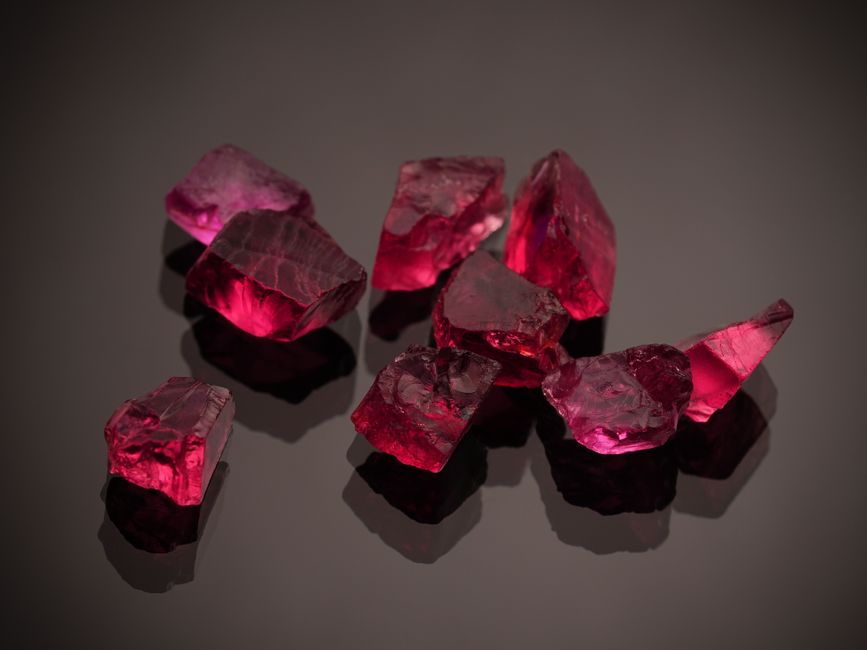
The gemstone market is vast and varied, encompassing everything from precious stones like diamonds and emeralds to semi-precious alternatives such as amethyst and aquamarine. Globally, the market for gemstones is projected to reach USD 48 billion by 2027, reflecting a growing interest among consumers and investors alike. This surge is attributed to increasing demand for ethical sourcing and unique jewelry pieces.
Consumers are becoming more aware of the origins of gemstones, leading to a rise in demand for certified suppliers. Many buyers now prefer gemstones that are sourced sustainably, with certifications that ensure ethical mining practices. As a potential buyer, understanding these trends can help you make a more informed choice.
Key Factors to Consider When Choosing a Supplier
When selecting a gemstone supplier, there are several factors to keep in mind. First and foremost is the supplier’s reputation. Look for feedback from previous customers and check reviews on platforms specific to jewelry and gemstones. Additionally, the supplier should provide a clear history of their sourcing practices.
Another crucial aspect is the range of gemstones offered. A reputable supplier should have a diverse inventory that includes various types of gemstones, cuts, and qualities. This variety not only enhances your options but also showcases the supplier’s expertise in the field.
Furthermore, assess the supplier’s certifications and affiliations with industry organizations. Membership in organizations such as the Gemological Institute of America (GIA) or the International Gemological Institute (IGI) can be a significant indicator of credibility.
The Importance of Quality Assurance
Quality assurance is vital in the gemstone industry. High-quality gemstones should be graded based on the four Cs: cut, color, clarity, and carat weight. A reliable gemstone supplier should be transparent about the grading process and provide certificates that verify the quality of their gemstones.
Moreover, consider the return policy and customer service offered by the supplier. A strong return policy indicates confidence in their product, while excellent customer service can enhance your purchasing experience. If a supplier is responsive and helpful, it’s usually a good sign of their commitment to customers.
Building a Long-Term Relationship with Your Supplier
Once you’ve found a gemstone supplier that meets your criteria, it’s beneficial to establish a long-term relationship. This partnership can lead to better pricing, exclusive offers, and personalized service. As your business grows, having a reliable supplier can significantly impact your success.
Engage with your supplier regularly to stay updated on new arrivals and trends in the market. This not only helps you to remain competitive but also allows your supplier to understand your needs better, fostering a mutually beneficial relationship.
Conclusion
Choosing the right gemstone supplier is a critical decision that can influence the quality of your offerings and the satisfaction of your customers. By considering factors such as reputation, quality assurance, and customer service, you can make an informed choice that aligns with your business goals. Remember, a trustworthy supplier not only provides quality products but also supports your growth in the competitive gemstone market. For those seeking reliable sources, exploring options with a reputable gemstone supplier is a crucial step in your journey.