
 By Jordan Coleman
 In today’s fast-paced world, effective space utilization is more critical than ever. From commercial offices to residential homes, the way we plan and use our spaces can significantly impact productivity, comfort, and overall well-being. This is where the expertise of space planning consultants comes into play. They not only bring architectural knowledge but also a keen understanding of human behavior and organizational dynamics to create environments that truly work for their users.
Understanding Space Planning
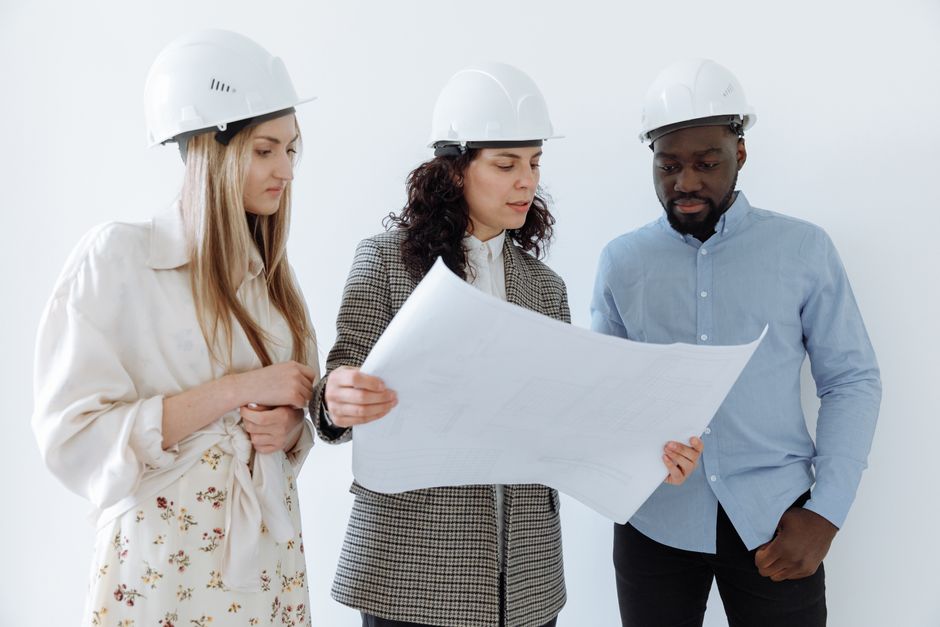
Space planning is the process of organizing and arranging physical spaces to enhance functionality and efficiency. It involves understanding the needs of the occupants and the intended use of the space. A well-executed space plan can make a small area feel larger, increase workflow, and create a more pleasant atmosphere.
According to a study by the International Facility Management Association, effective space planning can improve employee productivity by up to 20%. This statistic underscores the importance of consulting with professionals who specialize in this area. Space planning consultants take into account factors such as traffic flow, lighting, and acoustics to create harmonious environments.
The Benefits of Hiring a Space Planning Consultant
One of the primary benefits of working with a space planning consultant is their ability to provide tailored solutions that meet the specific needs of a client. They conduct thorough assessments and gather data on how a space is currently being used, identifying areas for improvement.
For instance, in a recent project for a tech start-up, a space planning consultant was able to redesign an office layout that reduced wasted space by 30%, allowing for more collaborative work areas. This not only benefited the employees but also resulted in cost savings for the company.
Key Factors in Effective Space Planning
Effective space planning involves several key factors. First, understanding the demographic of the space users is essential. For instance, a workspace designed for millennials may differ significantly from one created for an older workforce.
Another important aspect is flexibility. Modern spaces need to adapt to changing needs. Incorporating movable furniture and multi-purpose areas can help accommodate this. A report from the American Society of Interior Designers suggests that flexible spaces lead to higher satisfaction rates among employees.
Technology’s Impact on Space Planning
Advancements in technology have also transformed space planning. Tools like Computer-Aided Design (CAD) and Building Information Modeling (BIM) enable consultants to create precise layouts and visualize changes before they are implemented. These technologies allow for better collaboration among architects, engineers, and clients, ensuring that everyone is on the same page.
Moreover, virtual reality (VR) is starting to play a role in space planning by allowing clients to ‘walk through’ a space before it is built. This immersive experience can help in making critical design decisions early in the process, saving both time and money.
Conclusion: The Future of Space Planning
As the demand for innovative and efficient spaces grows, the role of space planning consultants will continue to evolve. They will need to stay ahead of trends and technologies to provide the best solutions for their clients. With their expertise, businesses and homeowners can ensure that their spaces not only meet current needs but are also prepared for future changes.
In conclusion, whether you are looking to redesign an office or create a new residential space, partnering with a qualified space planning consultant can lead to remarkable outcomes. The investment in expert advice and strategic planning can yield significant returns in functionality, aesthetics, and satisfaction.