
 By Jordan Coleman
 When it comes to creating a welcoming and functional space for children, the importance of selecting the right furniture cannot be overstated. Kids’ furniture not only needs to be practical, but it also has to be appealing to young minds. In this guide, we’ll explore essential aspects to consider when purchasing furniture for kids, including safety, style, and functionality.
Understanding the Needs of Children
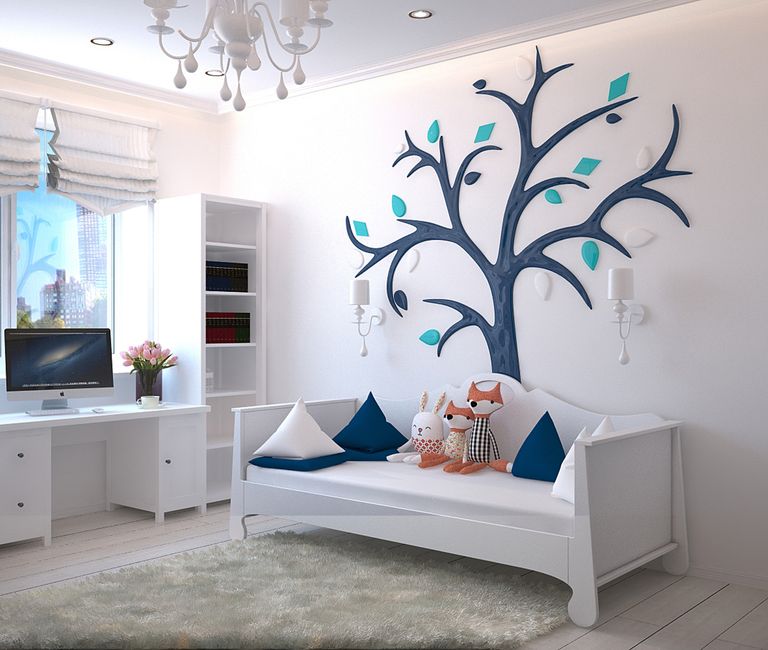
Children grow rapidly, and their needs change just as quickly. Therefore, when selecting furniture, it is crucial to choose items that can adapt to their growth. For instance, adjustable desks and chairs can provide comfort and usability for many years. Additionally, furniture that encourages creativity, such as art tables or play areas, can significantly enhance a child’s development.
According to studies, children spend a significant amount of time engaging in activities at home, ranging from homework to play. As such, having a dedicated study area with appropriate furniture can improve their focus and productivity. A well-designed kids’ workspace can also spark their interest in learning, making it a worthy investment.
Safety First: Key Considerations
Safety is paramount when it comes to children’s furniture. Always look for pieces that are made from non-toxic materials and have rounded edges to prevent injuries. Furniture should also be sturdy enough to withstand rough use, as children are naturally energetic and playful.
Additionally, consider the stability of furniture items. For example, tall bookshelves should be anchored to the wall to prevent tipping. Items like beds should also be low to the ground to minimize the risk of falls. When shopping for a kids furniture store, inquire about safety certifications to ensure that the furniture meets all necessary safety standards.
Design and Aesthetics
The design of kids’ furniture should reflect the personalities and interests of children. Bright colors, fun patterns, and themed furniture can create an inviting atmosphere that resonates with kids. This can also encourage them to take ownership of their space and keep it organized.
Moreover, incorporating elements that can grow with them—like neutral-colored furniture that can be easily accessorized—can help maintain a cohesive look as their tastes evolve. Customizable furniture options allow children to personalize their space, which can enhance their sense of belonging and creativity.
Functionality and Space Efficiency
In many homes, space can be limited, especially in children’s rooms. Therefore, choosing multifunctional furniture is a smart approach. For example, beds with built-in storage can help keep toys and clothes organized, while foldable chairs or tables can be easily stowed away when not in use.
Additionally, consider the layout of the room when selecting furniture. Ensure that there is enough space for children to move around freely and safely. The arrangement should also facilitate easy access to toys and study materials, promoting independence.
Budgeting for Kids Furniture
When planning to purchase kids’ furniture, it is essential to establish a budget. Kids’ furniture can vary significantly in price, and while it may be tempting to buy cheaper options, investing in quality pieces will often pay off in the long run.
Look for sales or discounts at various kids’ furniture stores to find the best deals. If possible, consider purchasing high-quality second-hand furniture, which can be both economical and environmentally friendly. This approach can allow you to furnish your child’s space without breaking the bank.
Conclusion
Choosing the right kids’ furniture involves careful consideration of various factors, including safety, design, functionality, and budget. By taking the time to explore these elements, you can create a space that is not only stylish but also conducive to your child’s growth and development. Remember, investing in quality furniture for your children is an investment in their future, as it can significantly impact their comfort and creativity.