
 By Jordan Coleman
 In recent years, the popularity of CBD products has surged, driven by growing consumer awareness of their potential health benefits. With this rise in demand, wholesale opportunities for CBD products have become increasingly attractive for businesses looking to enter this lucrative market. Understanding the intricacies of CBD product wholesale is essential for anyone considering this pathway, from the sourcing of quality products to the nuances of distribution and compliance.
Understanding CBD and Its Market
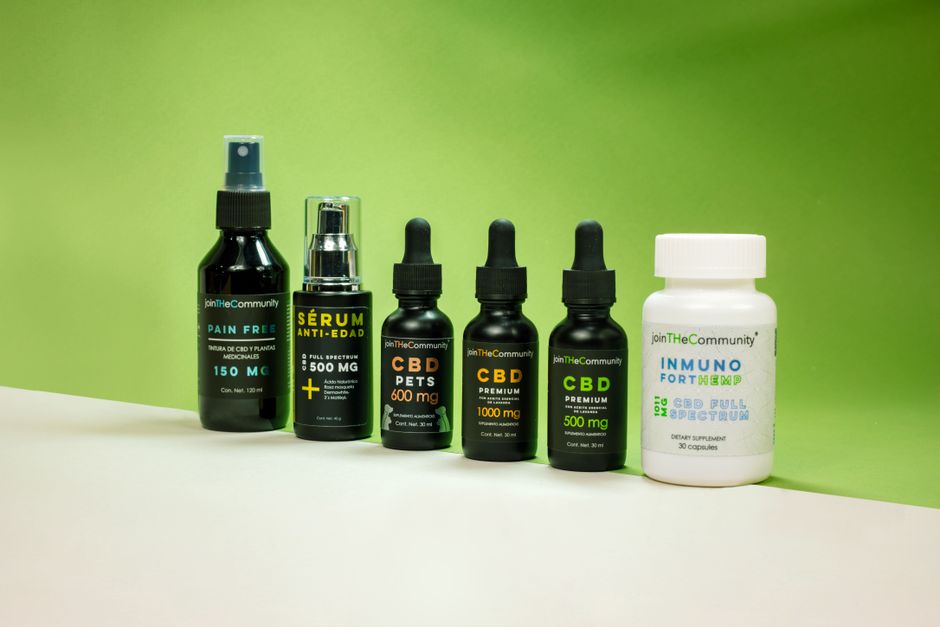
To grasp the wholesale dynamics of CBD products, one must first understand what CBD (cannabidiol) is. CBD is a non-psychoactive compound found in cannabis plants, which has been linked to a variety of health benefits, including pain relief, anxiety reduction, and anti-inflammatory properties. As consumers seek natural alternatives to traditional pharmaceuticals, the demand for CBD products has expanded beyond oils and tinctures to include edibles, topicals, and beauty products.
The global CBD market was valued at approximately $2.8 billion in 2020 and is projected to reach $13.4 billion by 2028, growing at a CAGR of around 21.2%. This rapid expansion highlights the potential profitability for businesses engaging in CBD product wholesale.
Identifying Reliable Suppliers
Finding a reputable supplier is crucial for anyone looking to enter the CBD wholesale market. Businesses should seek out suppliers that provide third-party lab testing results to ensure the quality and purity of their products. A reliable supplier should also offer a variety of products, enabling retailers to cater to different customer preferences.
Additionally, it is essential to consider the supplier’s compliance with local and federal regulations, as the legality of CBD products can vary significantly depending on the jurisdiction. Partnering with suppliers who prioritize compliance can help businesses avoid legal pitfalls and establish a trustworthy brand.
Understanding Legal Regulations
The legal landscape surrounding CBD products can be complex and varies by region. In the United States, the 2018 Farm Bill legalized hemp-derived CBD containing less than 0.3% THC on a federal level, but state laws may impose additional restrictions. Businesses must stay informed about the regulatory framework governing CBD products in their target markets to ensure compliance.
Furthermore, businesses should pay attention to labeling requirements and health claims. Misleading statements about the benefits of CBD products can lead to legal challenges and damage to a brand’s reputation.
Marketing Strategies for CBD Products
Once a business has established a supply chain, effective marketing strategies are essential for driving sales. Digital marketing channels, such as social media and email marketing, can be particularly effective in reaching potential customers. However, businesses should navigate advertising restrictions on platforms like Facebook and Google, which have strict policies regarding CBD-related content.
Creating educational content that informs consumers about the benefits of CBD can also enhance brand credibility and attract customers. For instance, blog posts or videos explaining the differences between CBD and THC, or the potential health benefits of CBD, can position a brand as a knowledgeable authority in the space.
Scaling Your Wholesale Business
As the demand for CBD products continues to grow, scaling a wholesale business becomes an attractive option. This could involve expanding product lines, entering new markets, or forming partnerships with retailers. Businesses should also consider optimizing their logistics to ensure efficient distribution and inventory management.
Utilizing technology, such as inventory management software, can streamline operations and reduce costs, making it easier to handle increased order volumes. Additionally, attending industry trade shows can provide valuable networking opportunities and insights into emerging trends within the CBD market.
Conclusion
The CBD product wholesale market presents a wealth of opportunities for savvy entrepreneurs. By understanding the market landscape, identifying quality suppliers, navigating legal regulations, and implementing effective marketing strategies, businesses can position themselves for success in this burgeoning industry. As consumer interest in CBD continues to rise, those who are well-prepared will be able to capitalize on this trend and thrive in the competitive marketplace. For those looking to dive into the wholesale side of things, exploring options for CBD product wholesale can be a valuable step towards entering this expanding market.