
 By Jordan Coleman
 The landscape of fashion is rapidly changing, driven by consumer demand for personalization and unique designs. As we move further into the 21st century, the custom clothing manufacturing industry is experiencing unprecedented growth. This article explores the factors contributing to this rise, the benefits of custom clothing, and what businesses need to consider when partnering with a manufacturer.
Understanding Custom Clothing Manufacturing
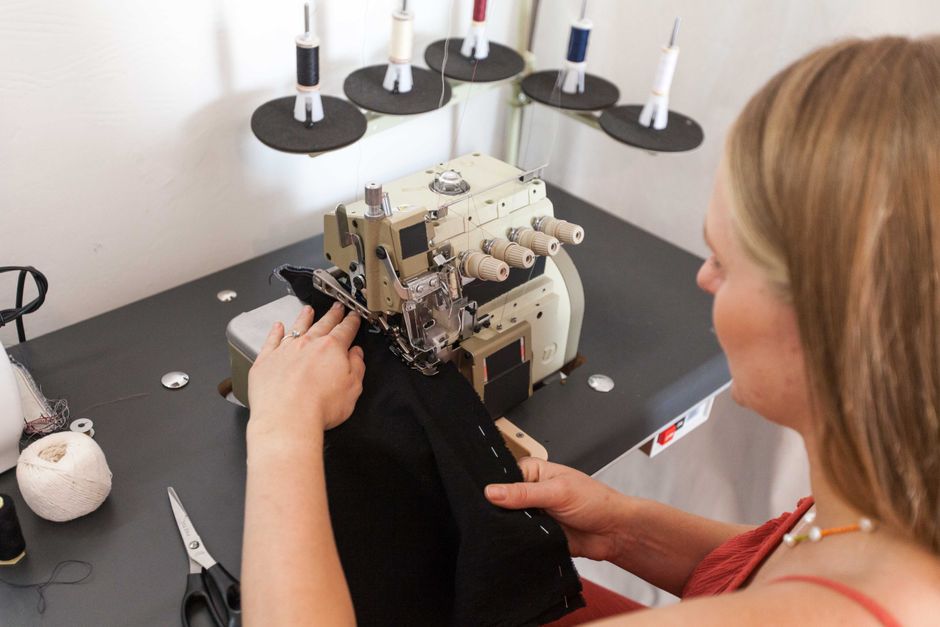
Custom clothing manufacturing is a process that allows individuals and businesses to create garments tailored to their specific requirements. This can range from bespoke suits to custom t-shirts and promotional apparel. The flexibility of this manufacturing model caters to various industries, including fashion, corporate branding, and even sportswear.
What sets custom clothing apart is its focus on individualization. Unlike mass-produced garments, custom clothing offers unique styles, fabrics, and fits that reflect personal or brand identity. According to recent statistics, the custom apparel market has seen a significant increase, projected to reach USD 10 billion by 2025.
Benefits of Custom Clothing
One of the primary advantages of custom clothing is the superior fit it provides. Off-the-rack options often leave consumers dissatisfied, leading to returns and waste. Custom clothing ensures that each piece is made to the wearer’s specifications, thus enhancing comfort and style.
Moreover, custom clothing allows brands to stand out in a saturated market. In a world where consumers are bombarded with choices, offering unique, personalized products can create a loyal customer base. For instance, companies that utilize a custom clothing manufacturer can showcase their creativity and commitment to quality.
Key Considerations When Choosing a Manufacturer
When selecting a custom clothing manufacturer, businesses must consider several factors. Quality should always be a top priority; low-quality materials can lead to unsatisfied customers and a tarnished brand reputation. Prospective partners should provide samples or a portfolio of previous work to evaluate their craftsmanship.
Additionally, turnaround time is crucial. Businesses often operate under tight deadlines, and a reliable manufacturer can make or break a product launch. It’s vital to communicate clearly about timelines and expectations to avoid potential setbacks.
Technological Advancements in Custom Clothing
Technology plays a significant role in the evolution of custom clothing manufacturing. Innovations such as 3D printing and digital fabric printing have revolutionized the industry, enabling designers to create prototypes faster and more efficiently. These technologies not only reduce waste but also allow for more intricate designs that were previously impossible with traditional methods.
Furthermore, advancements in e-commerce platforms have made it easier for consumers to access custom clothing. Brands can now offer online design tools that allow customers to visualize and create their garments from the comfort of their homes. This accessibility fuels the demand for custom clothing, as more people seek personalized fashion options.
Challenges Facing the Custom Clothing Industry
Despite its growth, the custom clothing manufacturing industry faces several challenges. One major hurdle is the higher production cost associated with custom garments compared to mass-produced items. This can deter some consumers who are price-sensitive. However, as awareness of the benefits of custom clothing increases, many are willing to invest in quality and uniqueness.
Another challenge is the need for effective communication between designers and manufacturers. Misunderstandings can lead to costly errors and dissatisfied customers. Establishing clear channels of communication and setting expectations upfront can mitigate these issues.
Conclusion
The custom clothing manufacturing industry represents a dynamic and evolving sector within the fashion world. As consumers increasingly seek personalized experiences, the demand for custom garments will continue to rise. Businesses looking to thrive in this landscape must prioritize quality, leverage technology, and establish strong relationships with reliable manufacturers. The future of fashion is here, and it is tailored just for you.