
 By Jordan Coleman
 Septic tanks are a crucial component of many households, particularly in rural areas where sewer systems are not available. Regular cleaning and maintenance of these tanks are essential for ensuring their efficient operation and longevity. Neglecting septic tank cleaning can lead to serious problems, including system failures and costly repairs. In this article, we will explore the importance of septic tank cleaning, how often it should be done, the cleaning process, and tips for maintaining your septic system.
Understanding the Importance of Septic Tank Cleaning
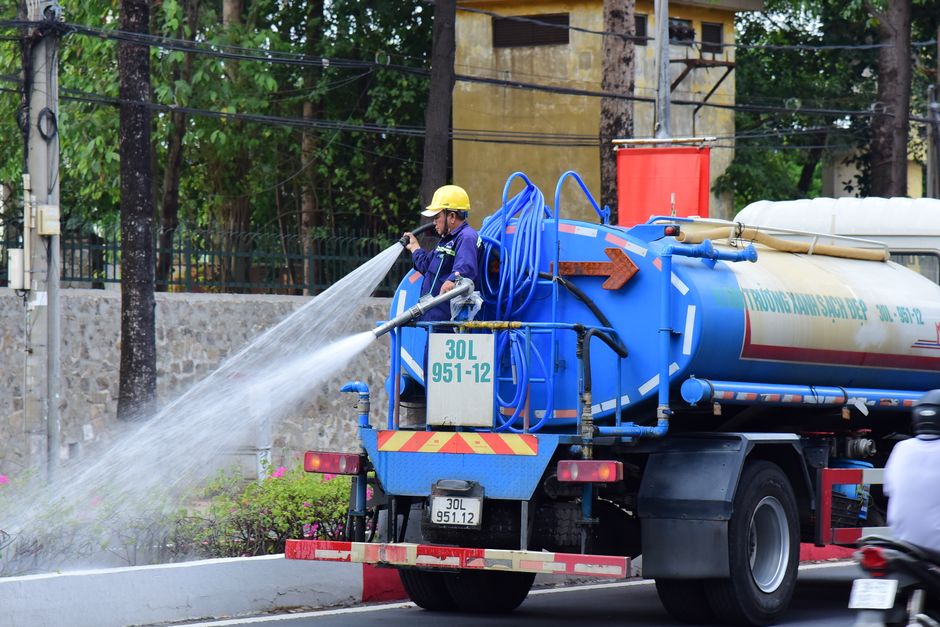
A septic tank plays a vital role in managing wastewater from your home. It collects and breaks down solid waste, allowing liquid effluent to be released into the drain field. Over time, solids accumulate in the tank, which can lead to clogs and backups if not removed. Regular septic tank cleaning helps prevent these issues, ensuring that your wastewater management system functions smoothly.
Failure to clean your septic tank regularly can result in a variety of problems, such as unpleasant odors, slow drains, and even sewage backups in your home. In extreme cases, neglecting maintenance can lead to a complete system failure, requiring expensive repairs or a full tank replacement. Therefore, understanding why septic maintenance is essential is the first step in protecting your investment.
How Often Should You Clean Your Septic Tank?
The frequency of septic tank cleaning varies based on several factors, including the size of the tank, the number of occupants in the household, and the amount of wastewater generated. As a general guideline, it is recommended to have your septic tank pumped every three to five years. However, households with larger families or heavy water usage may need to schedule cleaning more frequently.
Monitoring the signs of a full septic tank can also help determine when cleaning is necessary. Look for indicators such as gurgling sounds in the plumbing, slow draining sinks, and unpleasant odors around the tank or drain field. If you notice any of these issues, it might be time to contact a professional for cleaning.
The Septic Tank Cleaning Process
Septic tank cleaning should always be performed by a qualified professional. The cleaning process typically involves pumping out the accumulated solids and sludge from the tank. Here’s a step-by-step overview of what to expect during a cleaning:
- Inspection: The technician will first inspect the tank to assess its condition and determine the best cleaning approach.
- Pumping: Using a vacuum truck, the technician will pump out the solids from the tank. This process usually takes about 30 minutes to an hour, depending on the tank’s size.
- Cleaning: After pumping, the technician may clean the tank’s interior walls to remove any residue that could hinder future performance.
- Inspection of Components: The technician will check other components of the septic system, such as the baffles and filters, to ensure they are in good working order.
After the cleaning is complete, the technician will provide you with a report detailing the condition of your septic tank and any recommended maintenance tasks. Regular cleaning not only extends the life of your septic system but also ensures it operates efficiently.
Tips for Maintaining Your Septic System
In addition to regular cleaning, there are several proactive steps you can take to maintain your septic system:
- Mind Your Water Usage: Reducing water consumption can lower the load on your septic system. Consider installing water-efficient fixtures and fixing leaks promptly.
- Avoid Flushing Non-Biodegradable Items: Items like wipes, feminine hygiene products, and dental floss can clog your septic system. Only flush toilet paper and human waste.
- Sustain a Healthy Drain Field: Ensure that the drain field is free from heavy traffic and avoid planting trees or shrubs nearby, as their roots can invade and damage the system.
- Conduct Regular Inspections: Schedule periodic inspections to identify any potential issues before they escalate into costly repairs. This is where septic maintenance comes into play.
Conclusion
Septic tank cleaning is an essential part of home maintenance that should not be overlooked. Regular cleaning helps to prevent costly repairs and ensures the safe and efficient operation of your septic system. By understanding the importance of septic tank maintenance, adhering to recommended cleaning schedules, and following proactive maintenance tips, homeowners can protect their investment and avoid unpleasant surprises. Remember, a well-maintained septic system contributes not only to your comfort but also to the health of the environment.