
 By Jordan Coleman
 The world of perfume is a fascinating blend of art, science, and history. From ancient civilizations to modern luxury brands, fragrance has played a significant role in human culture. This article explores the intricate processes behind creating perfumes, the various fragrance families, and the impact of scent on our emotions and memories.
The History of Perfume
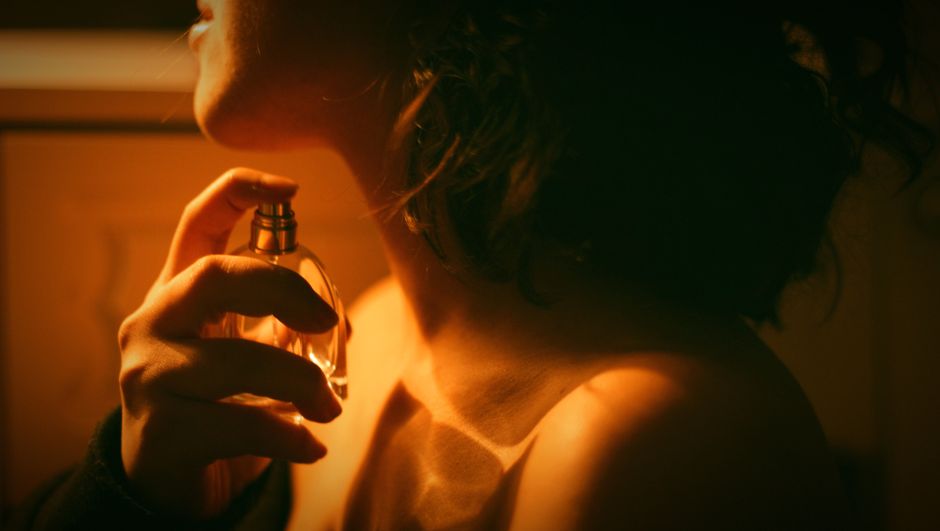
The use of fragrance dates back thousands of years. Ancient Egyptians were known for their sophisticated use of perfumes in religious ceremonies and daily life. They crafted scents from natural ingredients like myrrh and frankincense, believing that fragrances could please the gods. As trade routes expanded, the art of perfumery spread to other cultures, including the Greeks and Romans, who further developed the craft.
During the Renaissance, perfume became a symbol of luxury in Europe. The rise of the perfume industry in France in the 17th century marked a significant turning point. The country became synonymous with high-quality fragrances, and Paris was established as the perfume capital of the world. This legacy continues today, with renowned brands and houses producing exquisite scents that reflect the artistry of their creators.
The Anatomy of a Perfume
Perfume is composed of three main parts: the top notes, middle notes, and base notes. Top notes are the first scents you perceive when applying perfume; they are typically light and fresh, such as citrus or herbal fragrances. Middle notes, or heart notes, emerge after the top notes evaporate and form the core of the scent, often featuring floral or spicy elements. Finally, base notes provide depth and longevity, consisting of heavier ingredients like vanilla, musk, or wood.
This structure is crucial for creating a balanced fragrance. Perfumers spend years mastering the art of blending these notes to create harmonious compositions. For instance, a classic fragrance might start with zesty bergamot as its top note, transition to a floral heart of jasmine, and conclude with a warm base of amber and sandalwood.
The Fragrance Families
Perfumes are categorized into various fragrance families, each with distinct characteristics. The primary families include floral, woody, oriental, and fresh. Floral fragrances, often considered the most romantic, feature notes of flowers like rose, lily, and peony. Woody scents are grounded in earthy notes such as cedar and vetiver, offering a sense of warmth and comfort.
Oriental fragrances are characterized by exotic spices, resins, and sweet notes, creating an alluring and mysterious aura. Fresh fragrances, including citrus and aquatic scents, evoke a sense of cleanliness and vitality. Understanding these families can help consumers choose perfumes that resonate with their personal style and preferences.
The Psychology of Scent
Perfume is not just about smell; it can also evoke powerful emotions and memories. Research has shown that scent is closely linked to memory recall, often triggering vivid recollections of past experiences. This phenomenon is known as the “Proustian effect,” named after the author Marcel Proust, who famously described how a taste of a madeleine cookie brought back memories of his childhood.
Many people use fragrance to enhance their mood or create a desired atmosphere. Certain scents can promote relaxation, focus, or even arousal. For example, lavender is commonly used for its calming properties, while citrus scents are invigorating and uplifting. Understanding the psychological impact of fragrance can enhance one’s overall well-being and personal expression.
Choosing the Right Perfume
When selecting a perfume, it’s essential to consider not only the fragrance notes but also your skin type and lifestyle. Different skin types can alter how a fragrance smells and lasts. For instance, oily skin tends to hold scents longer than dry skin. Additionally, the environment plays a role; warmer climates can amplify certain notes, while cooler weather may mellow them.
Testing perfumes is a personal experience. It’s advisable to sample fragrances on your skin rather than relying solely on scent strips. Allow the perfume to develop on your skin for several hours to fully appreciate its evolution. Popular brands like Maison Francis Kurkdjian (MFK) offer a range of options to explore, catering to various tastes and occasions.
Conclusion
Perfume is a captivating blend of art and science, deeply rooted in history and culture. Understanding the different elements of fragrance, from its historical significance to the emotional connections it fosters, can enrich our appreciation for this olfactory art form. Whether you are a seasoned fragrance enthusiast or a newcomer, exploring the world of perfume opens the door to a sensory experience that is both personal and universal.