
 By Jordan Coleman
 The world of pizza is vast and varied, but few experiences rival the joy of crafting a handmade pizza. The process not only brings together fresh ingredients but also allows for personal expression in every bite. Whether you are a seasoned chef or a home cook, understanding the nuances of handmade pizza can elevate your culinary skills to new heights.
The Essence of Handmade Pizza
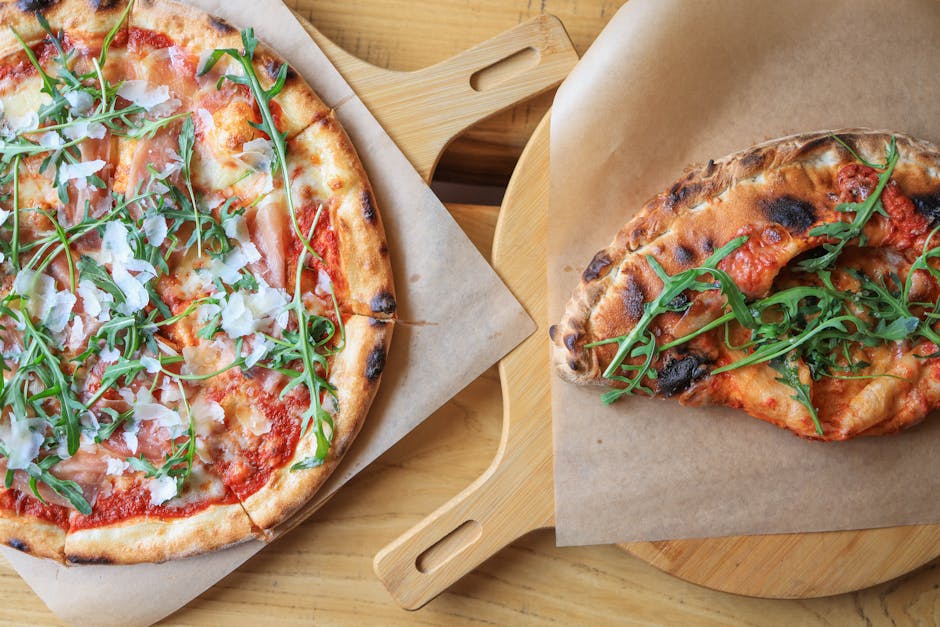
Handmade pizza represents a return to the roots of this beloved dish. Unlike mass-produced pizzas, handmade versions prioritize quality, flavor, and creativity. From the dough to the toppings, each component plays a crucial role in the overall experience. The dough, typically made from flour, water, yeast, and salt, serves as the foundation. Many pizza enthusiasts argue that the secret to a perfect crust lies in the fermentation process, which can take anywhere from a few hours to several days.
In fact, a study by the American Culinary Federation suggests that allowing dough to ferment longer enhances the flavor and texture significantly. This is why many pizzerias pride themselves on their unique dough recipes, often passed down through generations.
When it comes to toppings, the possibilities are virtually endless. Traditional options such as mozzarella cheese, pepperoni, and basil are classics; however, handmade pizza allows for experimentation with gourmet ingredients like truffle oil, goat cheese, and artisan vegetables. Finding the right balance of flavors is key to creating a memorable pizza.
Choosing Quality Ingredients
The importance of high-quality ingredients in handmade pizza cannot be overstated. Using fresh, local produce not only enhances the flavor but also supports local farmers and reduces environmental impact. For instance, San Marzano tomatoes are often hailed as the gold standard for pizza sauce due to their sweet flavor and low acidity.
Moreover, when selecting cheese, opting for fresh mozzarella or buffalo mozzarella can make a significant difference in taste. These cheeses melt beautifully and add a creamy texture that enhances the overall experience. As pizza-making becomes more popular, many enthusiasts are even growing their own herbs, such as basil and oregano, to ensure freshness.
Additionally, the choice of flour is crucial. Many chefs prefer using ’00’ flour, which is finely milled and has a high protein content, ideal for creating a chewy crust with the right amount of crispness. It’s interesting to note that in Naples, the birthplace of pizza, the Associazione Verace Pizza Napoletana has strict guidelines on the types of ingredients that can be used to create authentic Neapolitan pizza.
The Baking Process: A Science and an Art
The method of baking your handmade pizza plays a fundamental role in achieving the perfect pie. Traditional Neapolitan pizza is cooked in a wood-fired oven at temperatures reaching up to 900°F (482°C) for only 60 to 90 seconds. This quick cooking time produces a soft, pliable crust with a slight char that many pizza lovers adore.
For home cooks without access to a wood-fired oven, a conventional oven at its highest setting can still yield delicious results. Preheating the oven with a pizza stone can help mimic the conditions of a professional oven. A study published in the Journal of Food Science highlighted that using a preheated stone significantly improved the crust texture and overall satisfaction of the pizza.
Furthermore, the placement of the pizza in the oven can also affect the outcome. Placing the pizza on the lowest rack ensures that the crust cooks properly, while the toppings are cooked evenly. The art of baking pizza truly lies in understanding your oven and making adjustments as necessary.
Creating Unique Flavor Combinations
One of the most exciting aspects of handmade pizza is the opportunity to create unique flavor combinations. While classic Margherita and Pepperoni pizzas will always have their place, exploring unconventional toppings can lead to delightful surprises. For example, a fig and prosciutto pizza topped with arugula can provide a sweet and savory experience that tantalizes the taste buds.
Moreover, incorporating seasonal ingredients can enhance the freshness and flavor of your pizza. In the summer, using ripe tomatoes and fresh basil can create a vibrant dish, while autumn might call for roasted squash and sage. The versatility of pizza allows it to adapt to the seasons, making it a year-round favorite.
Furthermore, experimenting with different sauces beyond the typical tomato base can open up a world of possibilities. From pesto to barbecue sauce, the base sauce can dramatically alter the flavor profile of the pizza and invite new culinary adventures.
Conclusion: The Joy of Crafting Handmade Pizza
Handmade pizza is more than just food; it’s an experience that engages all the senses. The joy of kneading dough, selecting fresh ingredients, and experimenting with flavors is a fulfilling journey for any culinary enthusiast. Whether you are hosting a pizza night with friends or creating a special meal for family, the process of making handmade pizza is rewarding and delicious.
As you embark on your pizza-making adventures, remember that practice makes perfect. Learning from each experience, whether it’s a triumph or a culinary misstep, will ultimately lead to greater mastery. So roll up your sleeves, gather your ingredients, and get ready to impress with your very own handmade pizza masterpiece. And if you’re looking for inspiration, check out LUXURY 777 for some gourmet pizza ideas that will elevate your pizza game.